Lauren Finks
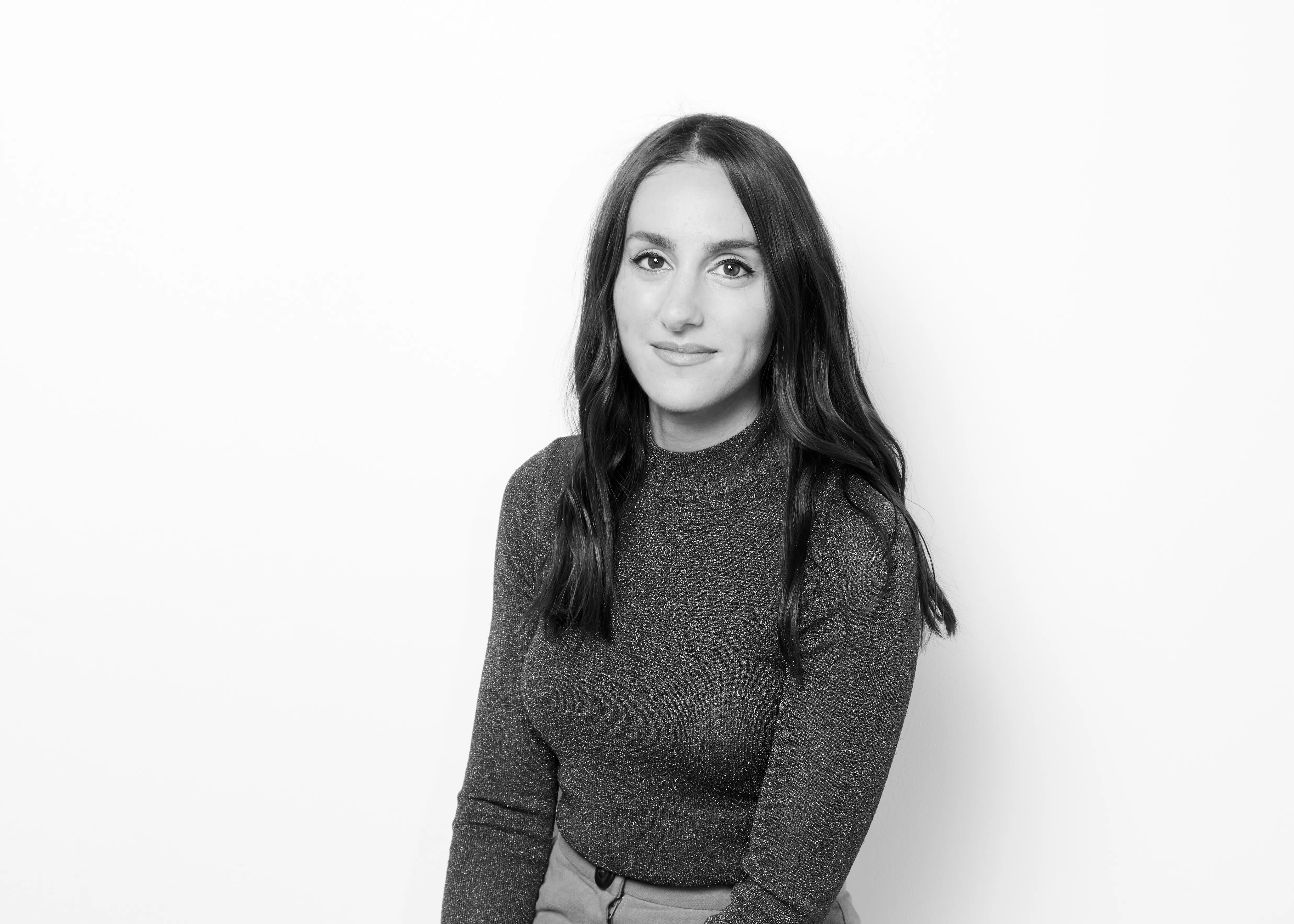
Lauren Finks has built a creative practice that values process and intention. Lauren's work is rooted in strategic thinking, clarity, and tactile design craft across both physical and digital spaces. In this conversation, Lauren talks about how she leads with strategy and trusts her visual instinct, the importance of good systems and habits, building technical knowledge and skill, and what it means to keep things interesting at every stage of a creative career.
Having been in this industry for two decades now, what still excites you about design after all this time? What keeps you coming back to the work?
Every project is so different. That is what I love about this career path, collaborating with different sets of people, several industries, interesting products, nothing is ever the same. The opportunity to then create just grows.


You’ve written an e-book of lessons gathered over the years for all the designers, creatives, and students you can’t always reply to individually. These mantras stood out: “Keep[ing] it Interesting” and “Don't Be Cool, Be Better.” Can you unpack your philosophy for us?
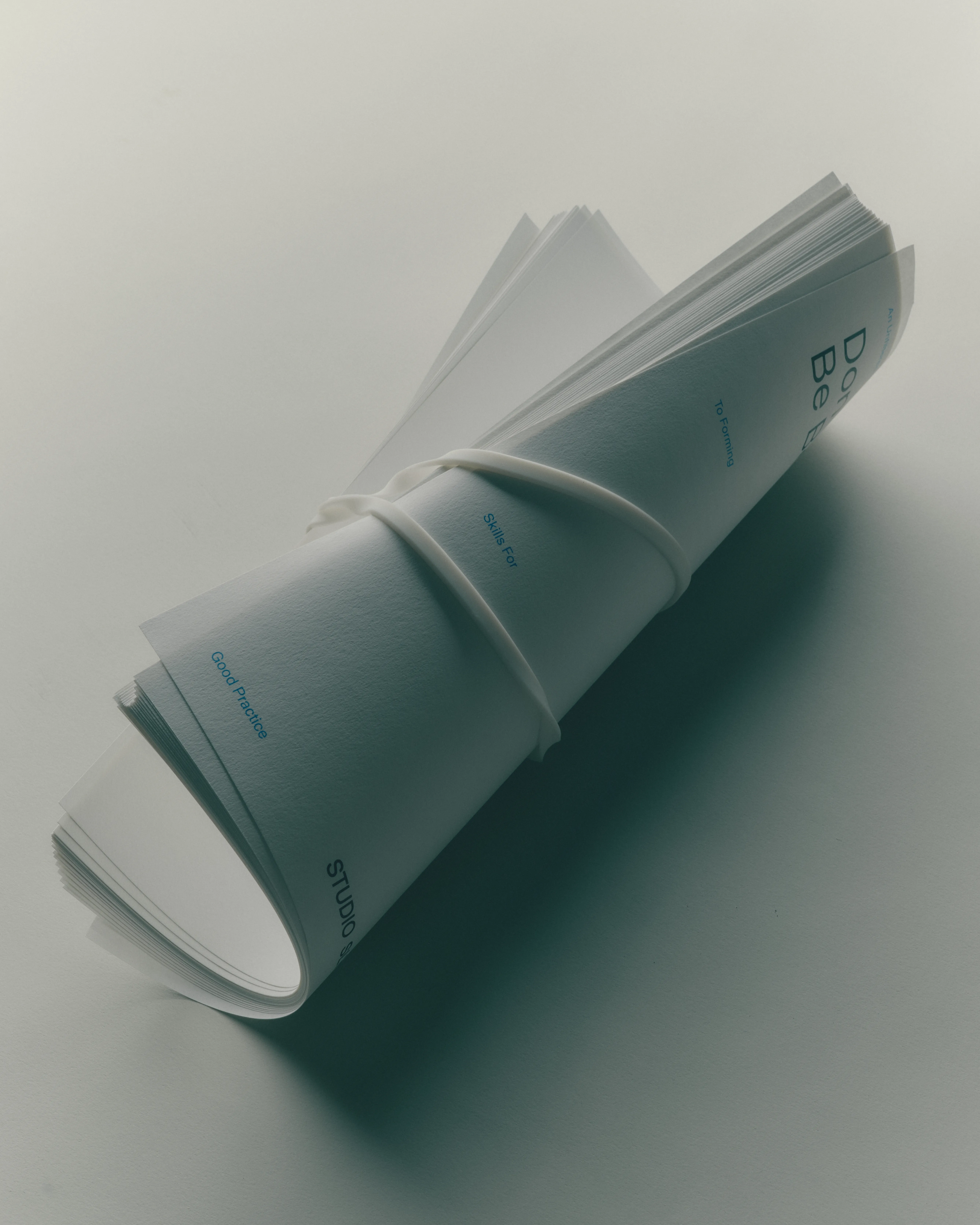
The e-book was a response to several situations I have seen and found myself in. I often have work land on my desk from several places and I saw a real issue with technical setup and process. As the automation of tools grew, the long and sometimes arduous process of really learning habits seemed to be thrown out in favour of speed and quick-fixes. I wrote the book to instill the idea that anyone can be cool, to be a “designer” is almost a cliché now. This is about being better. Better habits, better setup, better practice. A little bit of old-school mentality.
What does “keeping it interesting” mean to you right now, at this stage of your career and life?
It was actually a loved client who suggested I trademark “Keep it Interesting” many years ago. It ties into the idea about each job being so unique. I am a boundary-pusher, I like to challenge ideas, not just go with the easy thing. Now, with a new baby, it means even more. Keeping it interesting is essential, and it's also always in my mind before I take on any project. It's a trigger for me to assess whether life is balanced enough. That might sound wild, but it's why I use this line.
How do you balance strategic thinking with aesthetic instinct? When do you lead with strategy, and when do you trust your visual sense?
Great question. The aesthetic always follows the strategy – never the other way around. Once you have an understanding of the meaning, the message, the people, then the look and feel is built to communicate all of that. Trusting instinct comes at the visual stage for me: “Is this idea the right way to say this?” As we know, design and visuals can be subjective. My job is to select the strongest visual path so trusting the gut and process is key.

In a crowded digital landscape, how do you craft visuals that stand out while staying true to your principles?
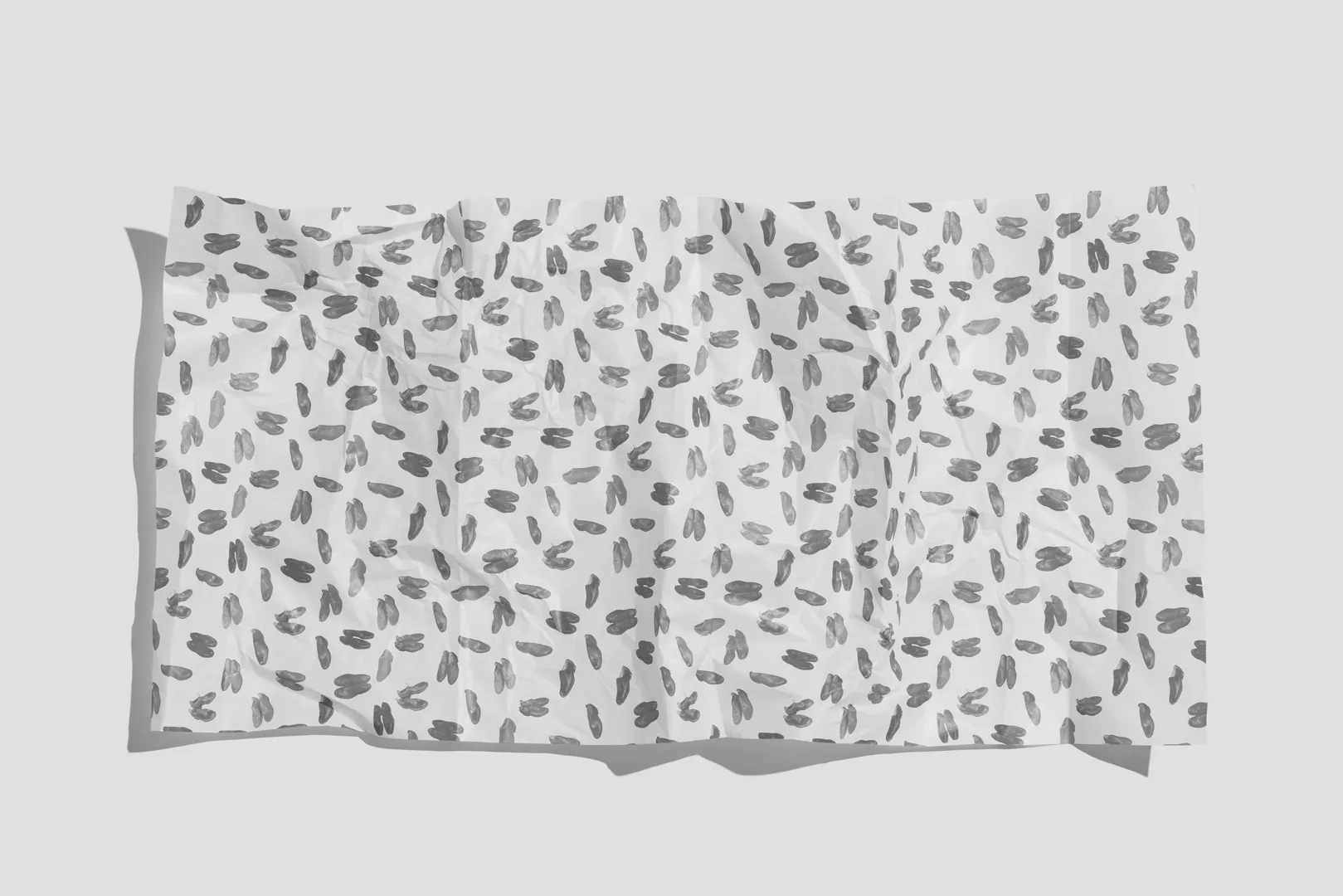
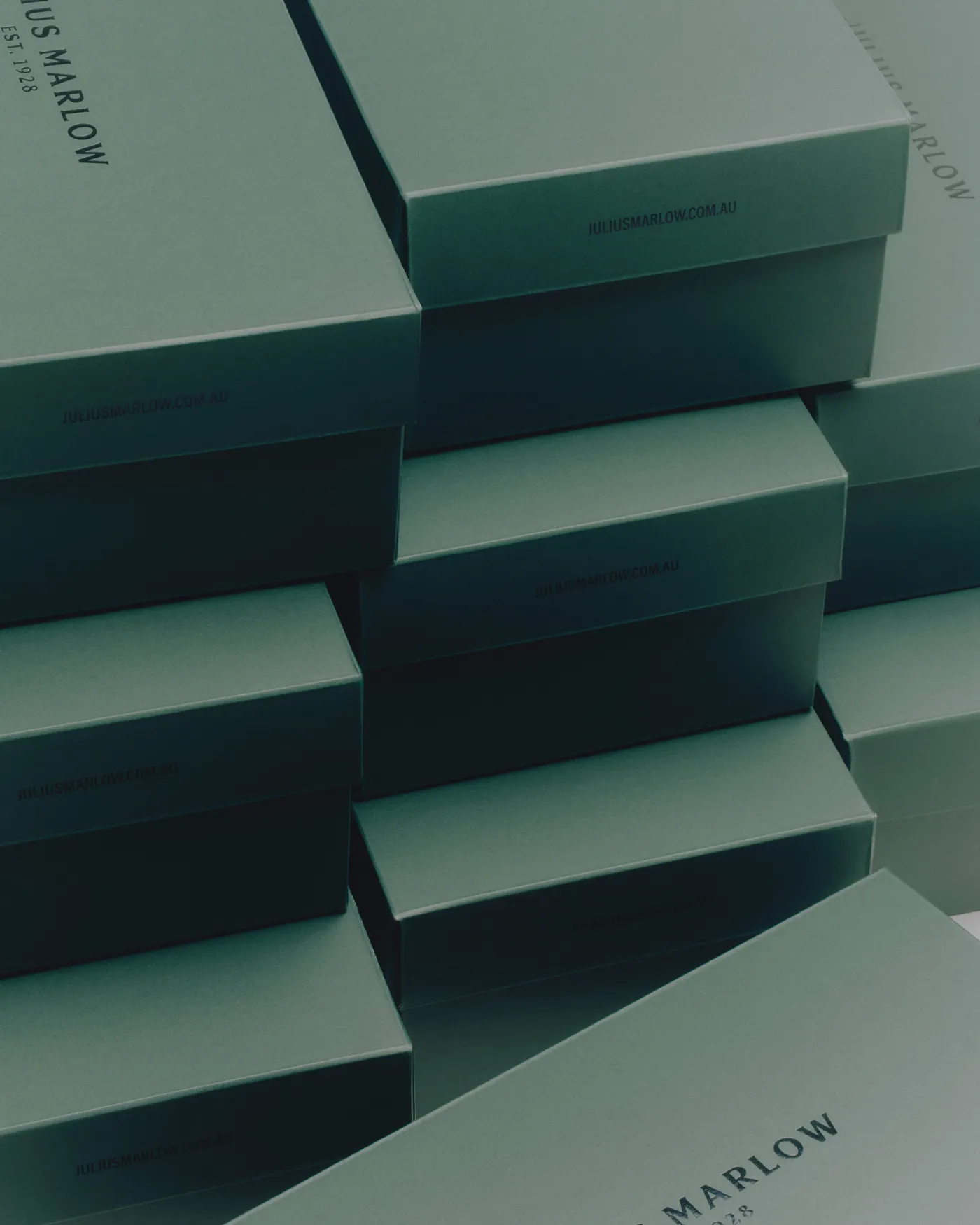
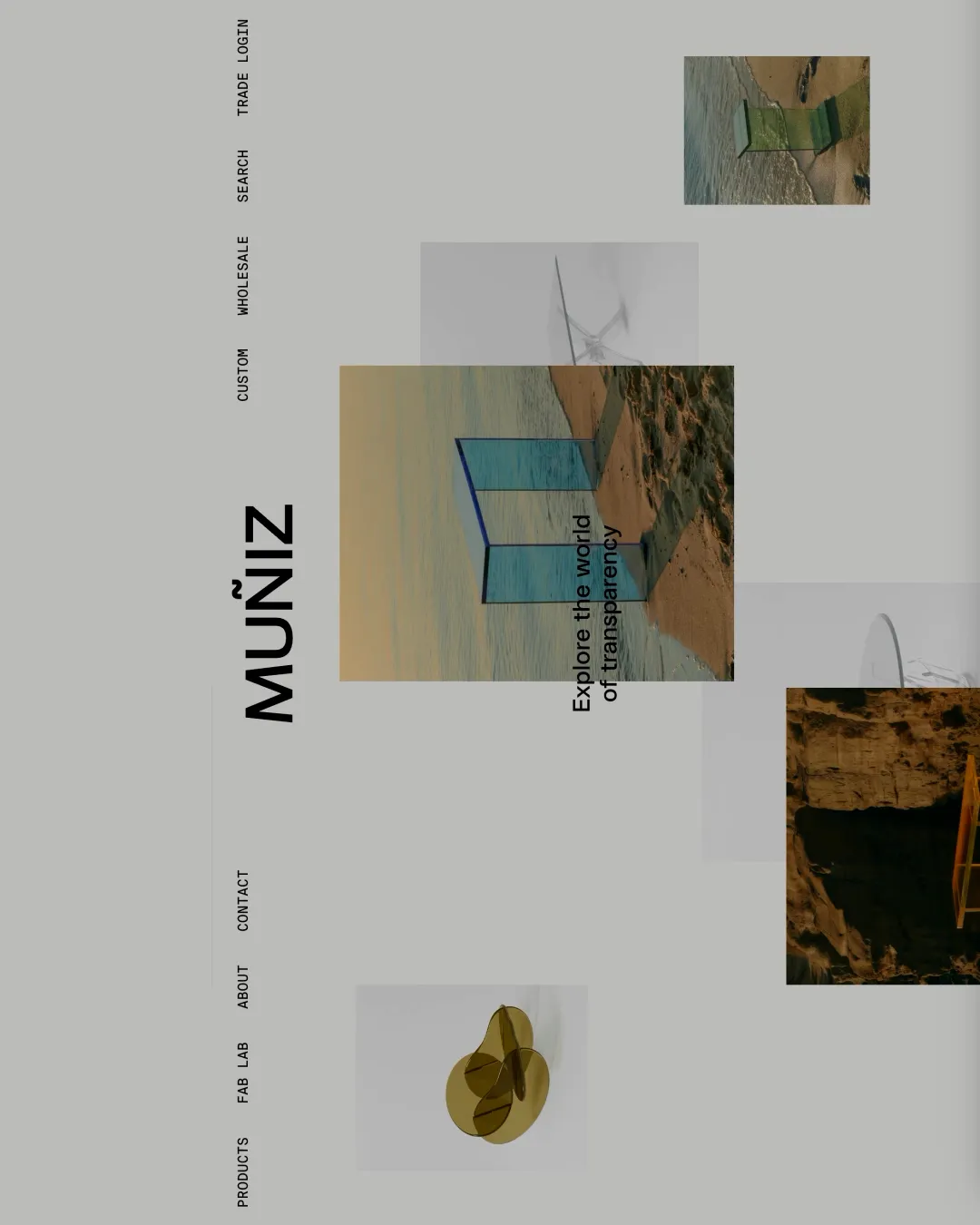
For me, it's actually about looking outside digital. Merging disciplines, looking beyond. The tactile approach has always been a pillar in my process. Bringing that into the digital space is something I like to explore.
What do you do to stay inspired and current without chasing trends for their own sake?
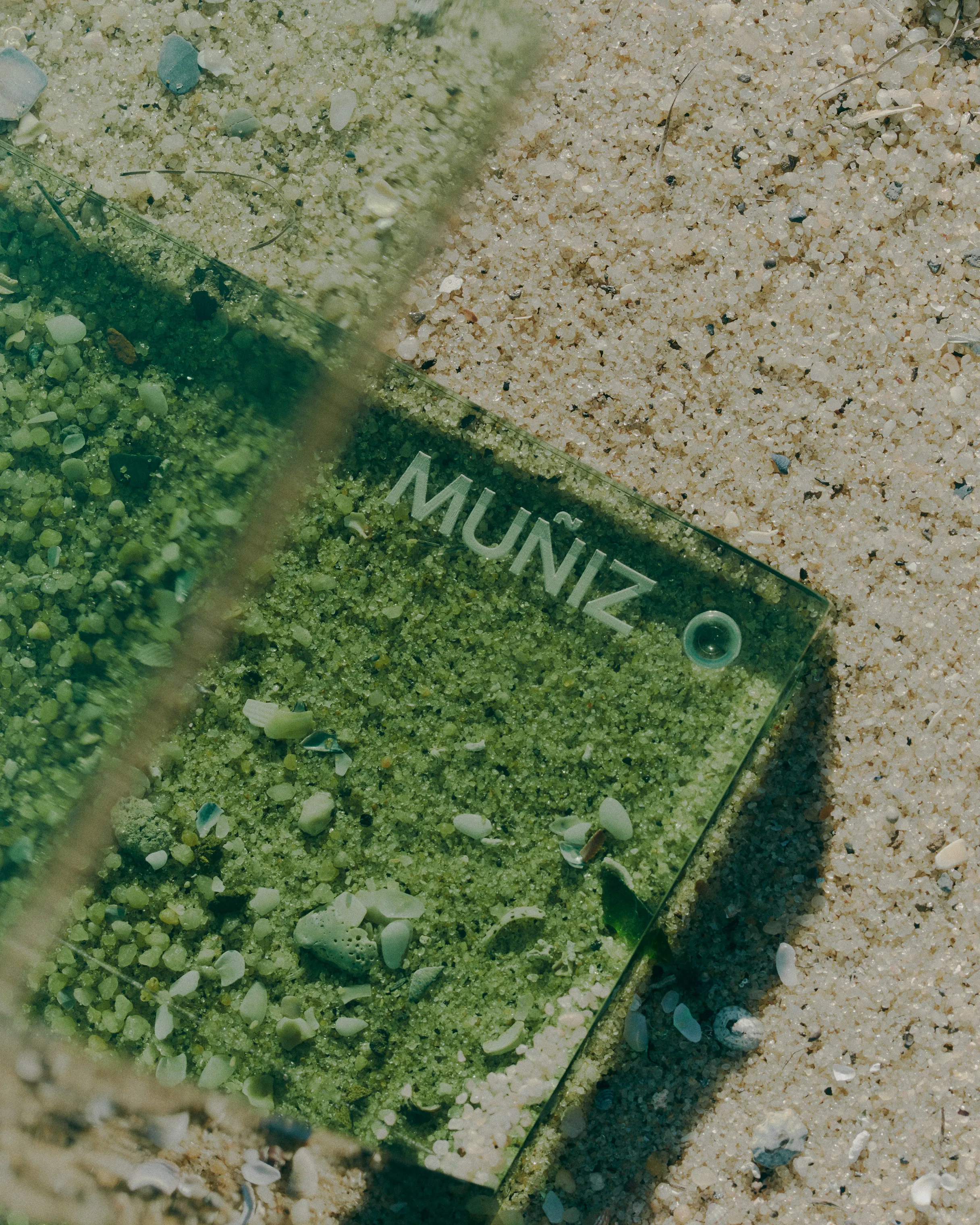
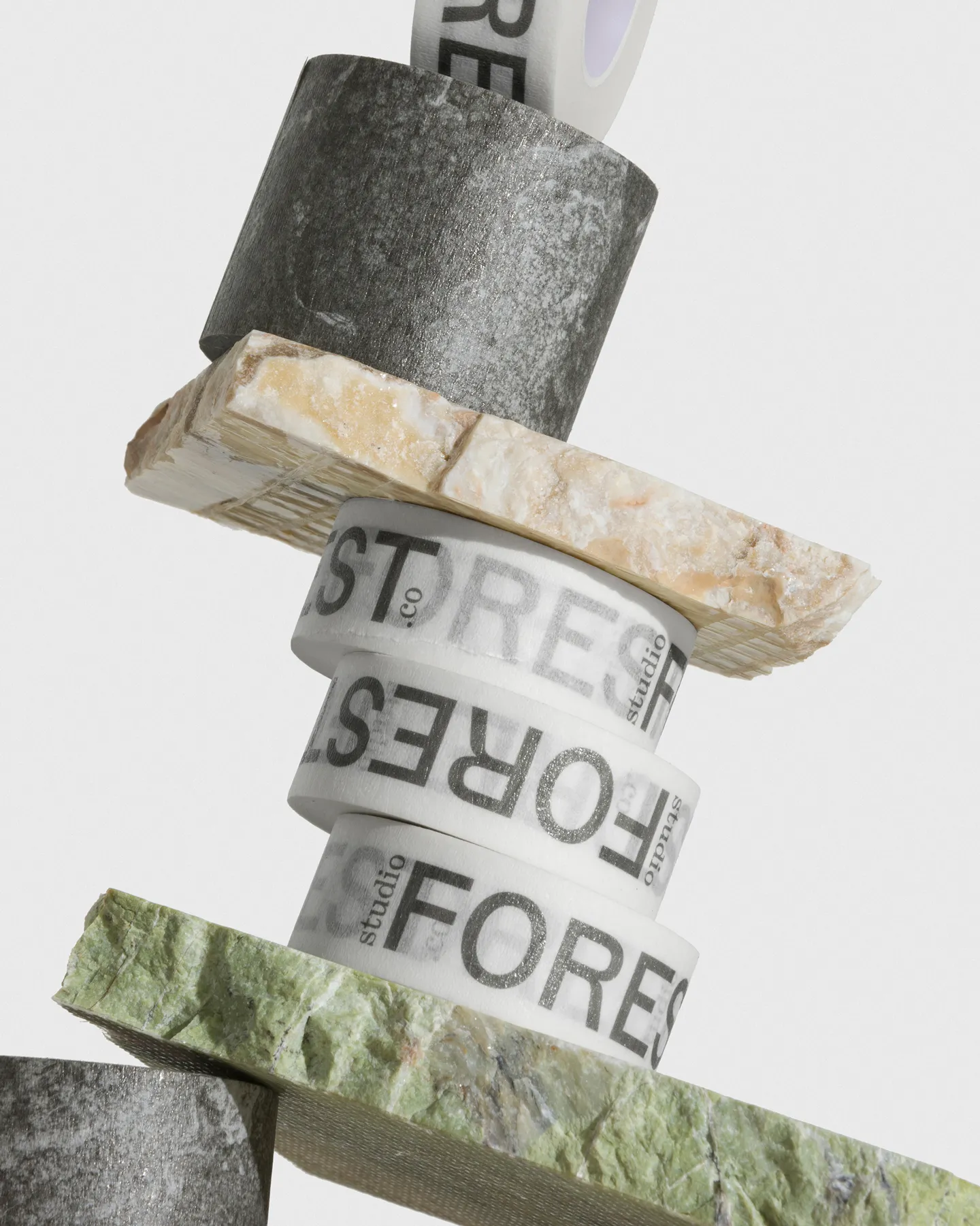
Always looking elsewhere. I get inspired by random things. Old signs at beat-up buildings, repetition of tiles in homes, coloured clothing bunched together on a rack. Nature – absolutely and always. All these things trigger ideas. I never look for inspiration for a project within that industry. It's always beyond.
You’ve said that process and habits are what set great designers apart. What have you built into your workflow that’s had the biggest impact on your practice?
Ritual and filing. Hinoki oil before every creative session. Keeping my filing tight. It's like decluttering a home to think clearly. For me, keeping filing tight, it’s about always knowing where everything is, always. Building efficiency in this currency of time.
What’s your approach to constraints, such as time, budget, and brand rules? Do they narrow your options, or do they sharpen your approach and offer clarity?
Constraints are always good. A totally open brief is actually harder. Constraints force thinking outside the box. Budgets force creative thinking, clever solutions and different approaches. Time is the one thing I always push on. Good things always take time.
How does your approach shift when working on digital-first brands versus brands with physical products? What are the unique challenges of each?
It's actually quite the same. The only difference is the execution. Ideas, process, and tactility can still exist [in digital form]. The challenge is translating those ideas, or experiencing those same ideas, within a digital arena. Without touch, you cannot feel. However, you can use other methods to create sensory experiences within the digital space.
What do you think is under-taught in design education – perhaps something that students often email you about? What’s the most common skill or knowledge gap?
Process, hands down. Technical process and finished art. Finished art is a skill. It was drilled and pushed as mandatory within the industry when I was coming up. I find that today, setups and technical knowledge, by younger designers in particular, are lacking. Some of that is due to automated AI processes, and some is just skipping the learning part. These are such valuable skills to have.
Looking forward, are there new challenges or types of projects you’re eager to explore?
Yes and yes. I am hoping to dive into a few areas I haven't worked on in a while, so for me that's always exciting. Collaborating with other talented people is also something I live for – photographers, stylists, creatives.