Christopher Seeto
Christopher Seeto is a producer and production manager with decades of experience across film, television, and commercials, including co-producing the breakout hit 'Talk to Me', which became A24’s highest-grossing horror film ever. Chris thrives in his roles with meticulous precision and the ability to keep teams connected and inspired. In this conversation, Chris shares the joys of solving logistical puzzles and executing them to perfection with talented teams, and how respect and constant communication form the foundation of being a great producer.

You’re genuinely great at making shoots run smoothly and ensuring everyone feels looked after and inspired. Did that come naturally for you, or are those skills you’ve had to mindfully develop over time?
Thank you! That’s a very nice thing to say, and I appreciate those attributes being noticed. One of the key roles of a producer is to create a safe and inspirational space for all the creatives and technicians involved to perform at their best. This doesn’t necessarily mean a calm and relaxing environment, as some people perform best when they are challenged. The key thing for a producer is to recognise what motivates each member of the project and align them with the project, to produce the best film.
I’m not sure if inspiring people comes naturally to me. It does take a bit of conscious thought and genuine interest in each person to uncover what they are trying to achieve. Perhaps in my earlier days of producing, I was just trying to be nice to everyone because I didn’t want to be seen as a bad producer, and then over time, the benefits of aligning people’s goals with what I needed to create the project became more evident.
What aspects of being a producer do you find most satisfying and interesting? Are there specific stages or moments, whether in pre-production, on set, or in post-production, that you find yourself looking forward to every time?
The most satisfying part of producing is definitely the discovery of a new, creative idea. In my opinion, it’s the most important storytelling goal. To reframe the story so that the audience perceives something they have never recognised before, and it moves them emotionally or intellectually, is why I love filmmaking. Unfortunately, I’ve realised over time that the discovery of a new, creative idea doesn’t necessarily yield the most commercial success for a project. Some audiences are definitely open to new creative ideas, and some are not, so it’s important to produce with a balance of both if you want your project to be successful.
As for the stages of production, I definitely skew my interest towards pre-production and the shoot. Those are what I look forward to every time. I love that there are talented and passionate editors, post-producers, composers, sound designers, colourists, and VFX artists out there who disagree with me on this. I lean on their passion in the post-production stage of the project.
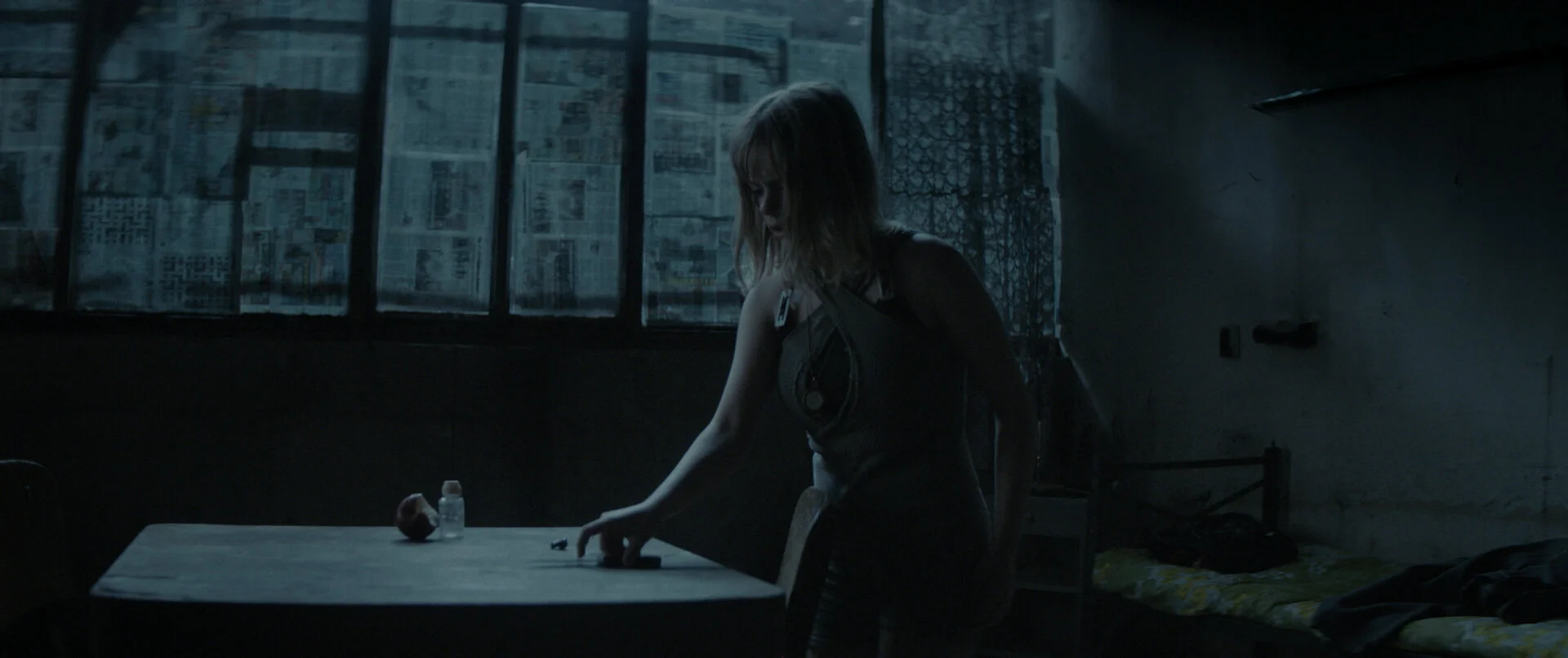
What excites you about figuring out logistical puzzles and problem-solving in production? Do you find that it can be creative and energising in ways people might not expect?
Time and money are obviously vital components of any project because they are finite. They can be used to shape, and often challenge, creative ideas. However, I find it important not to let them dictate the creative. Creative challenges can be inspiring, and the big solution to one problem might deserve all the time and money, as it may be able to carry an entire story. To that end, the decisions a producer makes will have a huge influence on how creative ideas are used to tell a story, and ultimately what a viewer experiences when they watch it.
On a personal level, solving logistical puzzles that are then executed to perfection by a team of talented humans is just deeply enjoyable!
You have decades of experience as a producer and production manager across film, television, commercials, and broadcast spaces. What are the biggest similarities and differences in how you actually run a production day-to-day across these environments?
Team management, team dynamics, and personal relationships are so important across all filmmaking crews, and the producer, being the leader, has the most influence on this. Across film and television, these teams are thrust together for an intensive period of months, sometimes years, where they are asked to show their vulnerability through creative expression, asked to perform at their best in time-pressured technical moments, and work with groups of strangers whose quality of work can affect their own. Inspiring performance, leading with equality, demonstrating respect for everyone’s craft, and using decisive and constant communication are, in my opinion, the vital traits of a good producer.
Across commercials and other branded content, there’s not a huge amount of difference, except for the timescale and the larger presence of the client. Working full-time in TVC production requires similar team management to a long-form project, with the results reflecting across a chronology of projects.
The biggest similarity across all the different outputs is the goal of the audience experiencing an intentional piece of communication. I’ve stopped short of referring to the output as storytelling, as motion pictures don't always have to mean a traditional story, although personally, I am more drawn to those projects.
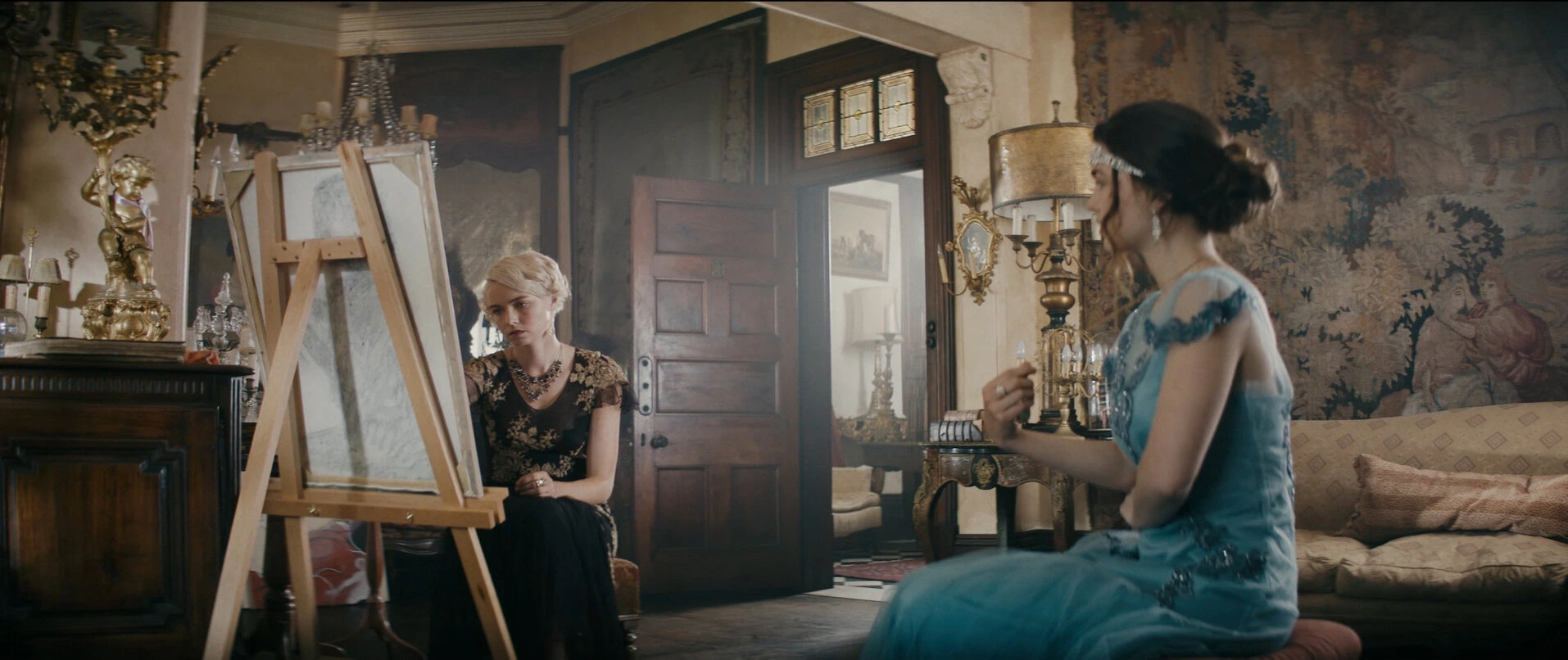
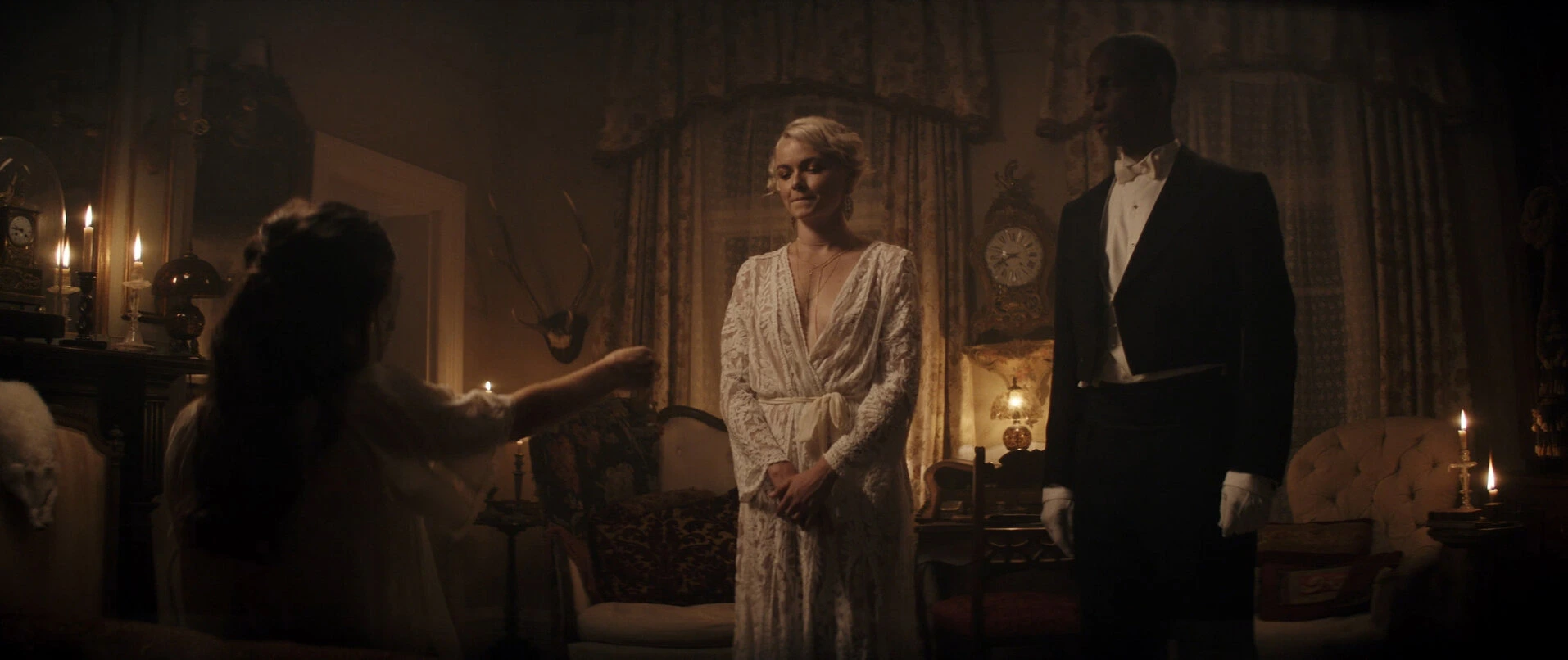
Commercial and agency productions tend to have tight timelines, multiple stakeholders, and high expectations. What does it take to keep a production like that on track and on budget without sacrificing quality?
It’s very important in commercial work to communicate very clearly what will be produced and to ensure this aligns with the brand and agency’s goals. Continual communication with your clients means any problems you face can be tackled as a team. Clients and agencies know their brands better than you do, even if their knowledge of the filmmaking craft isn’t as high. Their storytelling input should be respected and treated with the level of equality that matches their position in the project team.
I find that camera, lighting, gripping, and sound technology have progressed in line with timeline and budget expectations, so I feel that at least technical quality is not difficult to maintain.
Keeping a production moving quickly and being across every detail at the same time is a tough balance. How do you manage to stay nimble and responsive while making sure nothing falls through the cracks?
I reckon it’s three key actions.
Anticipation: It’s a very important attribute for anyone in production, and better anticipation comes from experience. What issues or bottlenecks can you see occurring in the future, and how can you prevent them from happening now? Of course, trying to mitigate every single issue that may occur will likely prevent any crew from shooting anything groundbreaking, so finding solutions that retain the creative vision is important.
Note-taking: I take lots of notes for myself and create documents as close to the occurrences as possible. It might be more work in the long run, but it ensures that nothing is missed.
Memory: There are some things that can’t be noted down, like a creative thought from a director unrelated to the current situation, or a location or performance in an audition that stands out but isn’t right for this project, but with a good, practised memory, recall of it can fast-track a lot of research and pre-production.
Production can span cities and time zones. How do you keep a team connected and cohesive when you’re all not in the same room, or even the same country?
The rise of video calls has certainly helped make stronger connections on projects, as well as enabled remote location scouting, casting, and even shoots. The important thing in this question is maintaining continual communication so the work each person is doing remains relevant.
'Talk to Me' was a breakout hit: an Australian indie horror film that went on to become A24’s highest-grossing horror film ever, earning $92 million USD worldwide against a budget of just $4.5 million. Congratulations! What are the highlights of your experience as co-producer on this project?
A major highlight of this project was watching Producer Samantha Jennings work. It was the second film I had worked on under Sam [following 'Blaze' (2022)], and her ability to quickly switch from story conversations with the directors to detailed budget problem-solving meetings to sales and finance calls was seriously impressive. Every conversation was filled with recall of their previous encounters, and her clear, singular vision for the project never wavered. Every decision was geared towards reaching that vision.
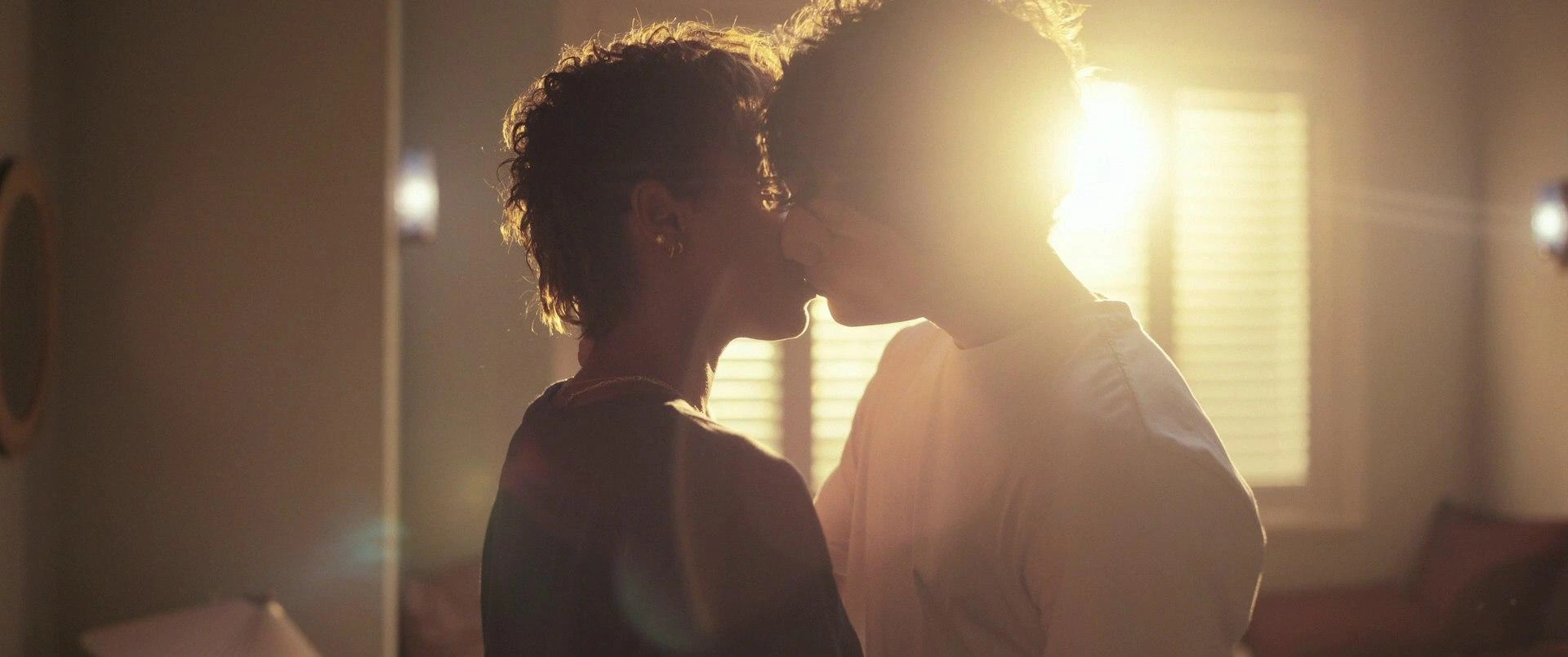
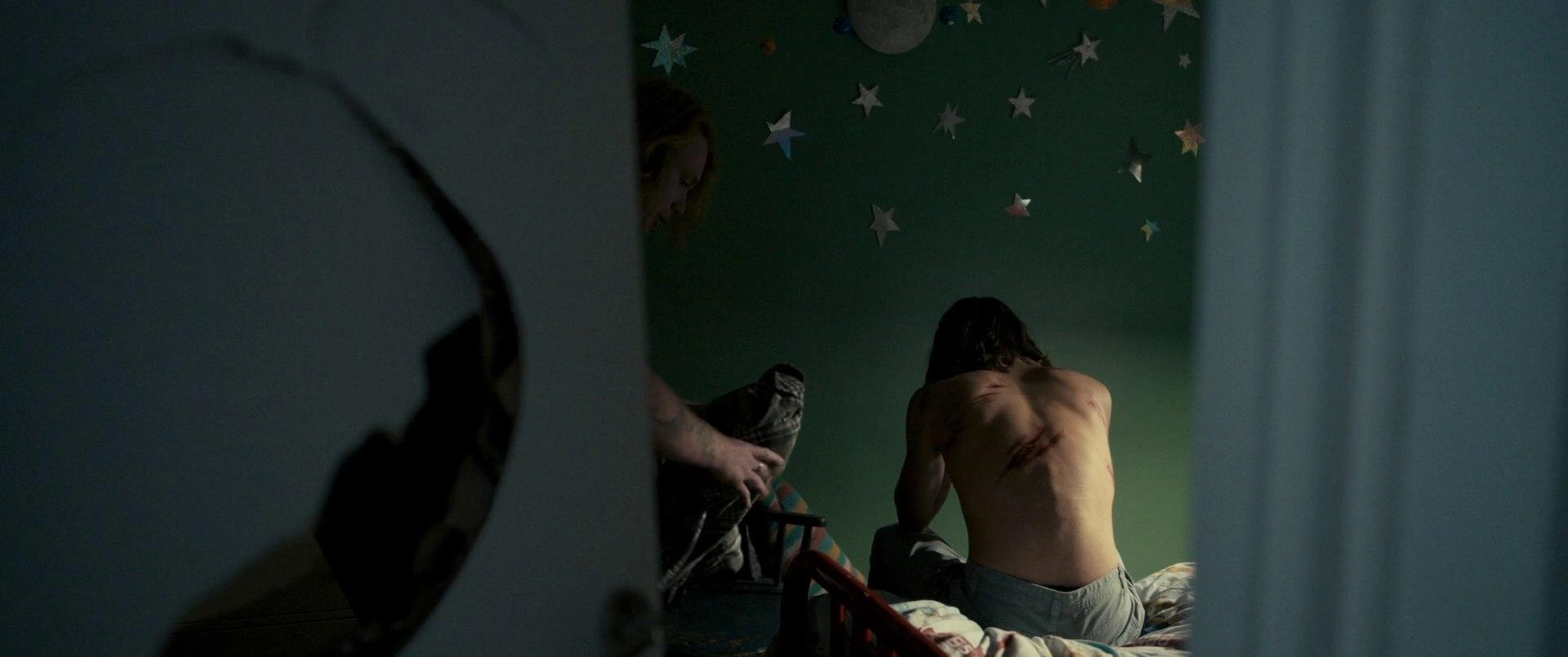
What’s it like collaborating with different directors, from the Philippou brothers to Nik Kacevski? How has working with them shaped the way you approach producing?
I get a lot of enjoyment out of working with lots of different directors and creatives of varying levels of experience. Both the Philippous and Nik do a lot of research whilst in pre-production and work hard to form close bonds with the actors to find ways to motivate them. I am instinctively less inclined to do story research when going into a project, as I’m focusing on the budget or solving the logistical or technical aspects. However, I have found that being on the same storytelling level as the director gives them a trusted and respected sounding board, which can only improve a project.
.webp)
If a young producer comes to you right now and says, “I want to do what you do,” what advice do you have for them?
My mantra is “Don’t be lazy.” If something can be done, then find a way to do it. I think the best advice is to gather a couple of friends and go and make a film. Learning to solve problems through doing is the most productive. I personally feel it’s important to work on filmmaking projects in groups, as the dynamic of multiple voices, and the experience of navigating through that is very valuable. Shadowing a producer or gaining experience on a set as an intern can be valuable too, but having the responsibility of delivering something that is yours (even if that delivery is to YouTube or Vimeo) is far more visceral.
What skills do you think are non-negotiable for a producer today, whether they're working in film, commercial, or broadcast? Are there any that the industry doesn’t talk about enough?
Memory is very important. Exercise your brain and get better at recall.
Show genuine interest in people and their goals. This applies for everyone involved in a production, from the client to the studio executive to the runner. Treat everyone with equal respect. Everyone has a job to do on a filmmaking project, no matter what their pay level is.Respect the chain-of-command hierarchy. Don’t go behind someone’s back. If you don’t get the solution you want, trying to get it another way will only cause division in your team. Use your brain, use your team, and think of another solution.
Recognise that concepting creative ideas and storytelling is a natural human trait. Inspire everyone involved, but remember the hierarchy.
Maths. Time management. Anticipate problems and concept solutions. Strong and clear leadership. Address issues as they happen. And don't be lazy.