Bryan Tang
Bryan Tang is a photographer and videographer based in Melbourne and Tokyo, with a practice shaped by working in London, Berlin, and around the world, assisting renowned photographers like Craig McDean and Liz Collins. His work across fashion, beauty, and lifestyle is lush, sensual, and evocative, with a keen eye for the relationship between subject and environment. In this conversation, Bryan reflects on navigating different creative markets, developing an emotionally compelling visual language, and finding inspiration in French cinema and Australian landscapes.
You’ve lived and worked across Tokyo, London, Berlin, and Melbourne, each with distinct creative industries and production cultures. How have these different environments shaped your approach, and what’s the most valuable insight you’ve carried with you from navigating these different cities and markets?
I started out assisting in London and Berlin, which gave me that technical foundation. Working across a wide range of sets and budgets showed me that there are countless ways to arrive at the same result – some highly creative, others technical.
Japan often takes a more meticulous, detail-driven approach, while Melbourne tends to be more flexible and intuitive. Both have their strengths, depending on the situation.
You learn that some approaches require a swiss knife, and others a precise scalpel. What I carry with me most is the understanding that there’s always a bigger pond. It’s important to stay humble and listen more.


Through your work in different cities, you emphasize strong connections between subject and environment. Can you walk us through how you approach building that visual dialogue between person and place in pre-production and during the shoot?
Pre-production can make or break a shoot. It doesn’t hurt to do your research but you also have to understand that, at the end of the day, you’re working with a person, and how we find that common ground to get something that has both of us in it. While it’s great to previsualise, the coincidence of the subject’s personality and environment can make something new. I find the happy accidents to be the most interesting!
When creating work that’s deeply rooted in a specific place or culture, how do you navigate honoring local authenticity and translating that story to audiences around the world in a way that resonates beyond its immediate context, without diluting what makes it specific in the first place?
I think the subject material I’m interested in tends to have a modern-world context in its own local setting, so it speaks for itself – which is pretty much youth trying to create their own voice while honoring their traditions.
Place and culture can be a great guideline to hold onto while navigating how to create a new voice within that.

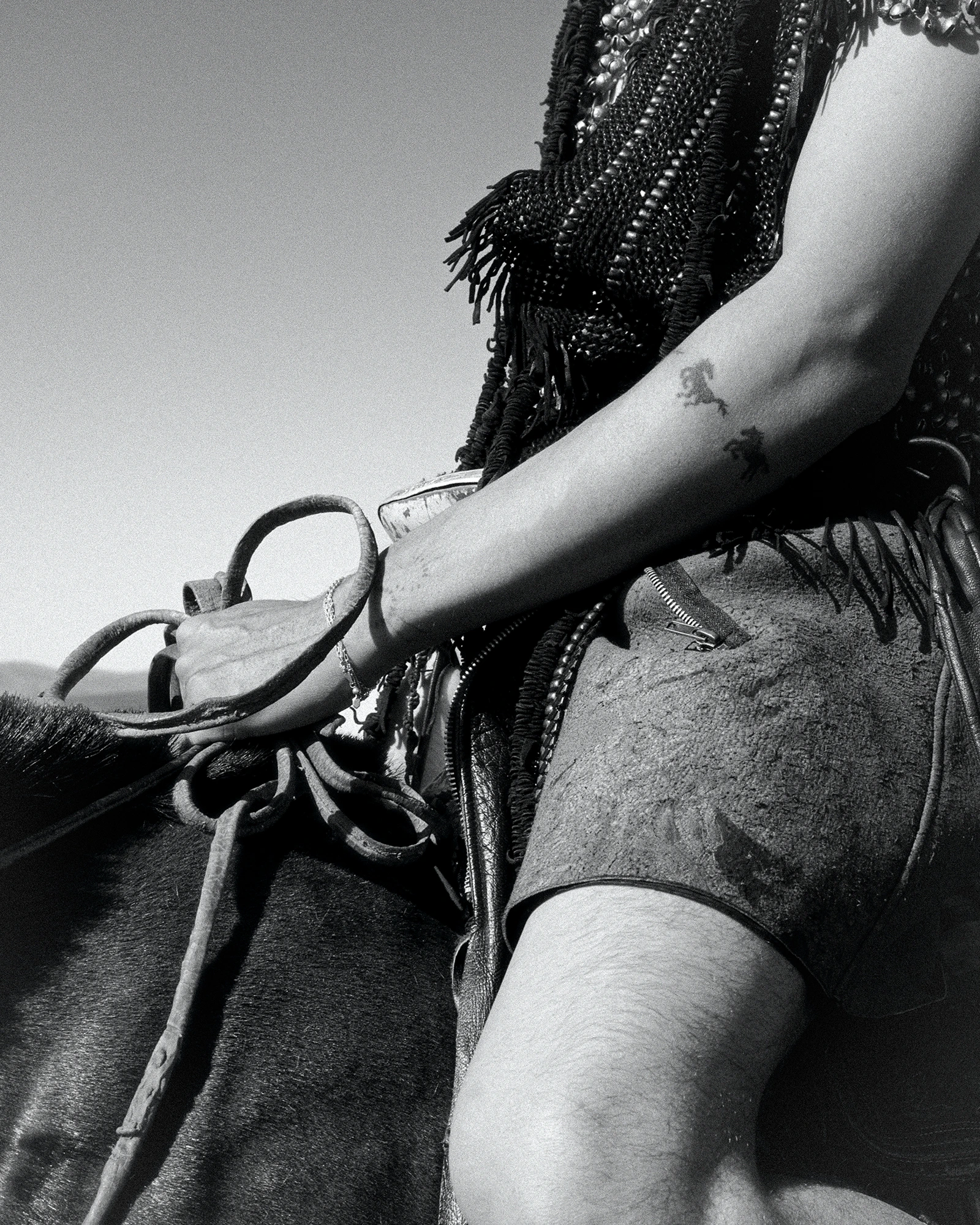
Looking at your stunning ‘Man & Horse’ series in Mongolia for Serenity Magazine, which features Berlin-based musician and model Hongor in his ancestral homeland, the project explores the tension and harmony between contemporary life and heritage as part of three generations of Mongolian horsemen. How did you approach capturing this cultural conversation visually and respectfully with the nuanced understanding it required?
In framing Hongor, I was conscious of not isolating him as either “modern” or “traditional.” As someone who straddles two cultures myself, I can relate to the feeling of belonging to two worlds at once.
The aim wasn’t to dramatise contrast, but to show coexistence, which can be a fine line when every country has its own global impression. Mongolia has beautiful landscapes, gentle horses, and the friendliest people, but it is also a global entity, with people living in all different parts of the world doing interesting things.


How do you build trust and intimacy with talent to capture those deeper, more personal stories?
Be curious, ask the right questions, and listen more.
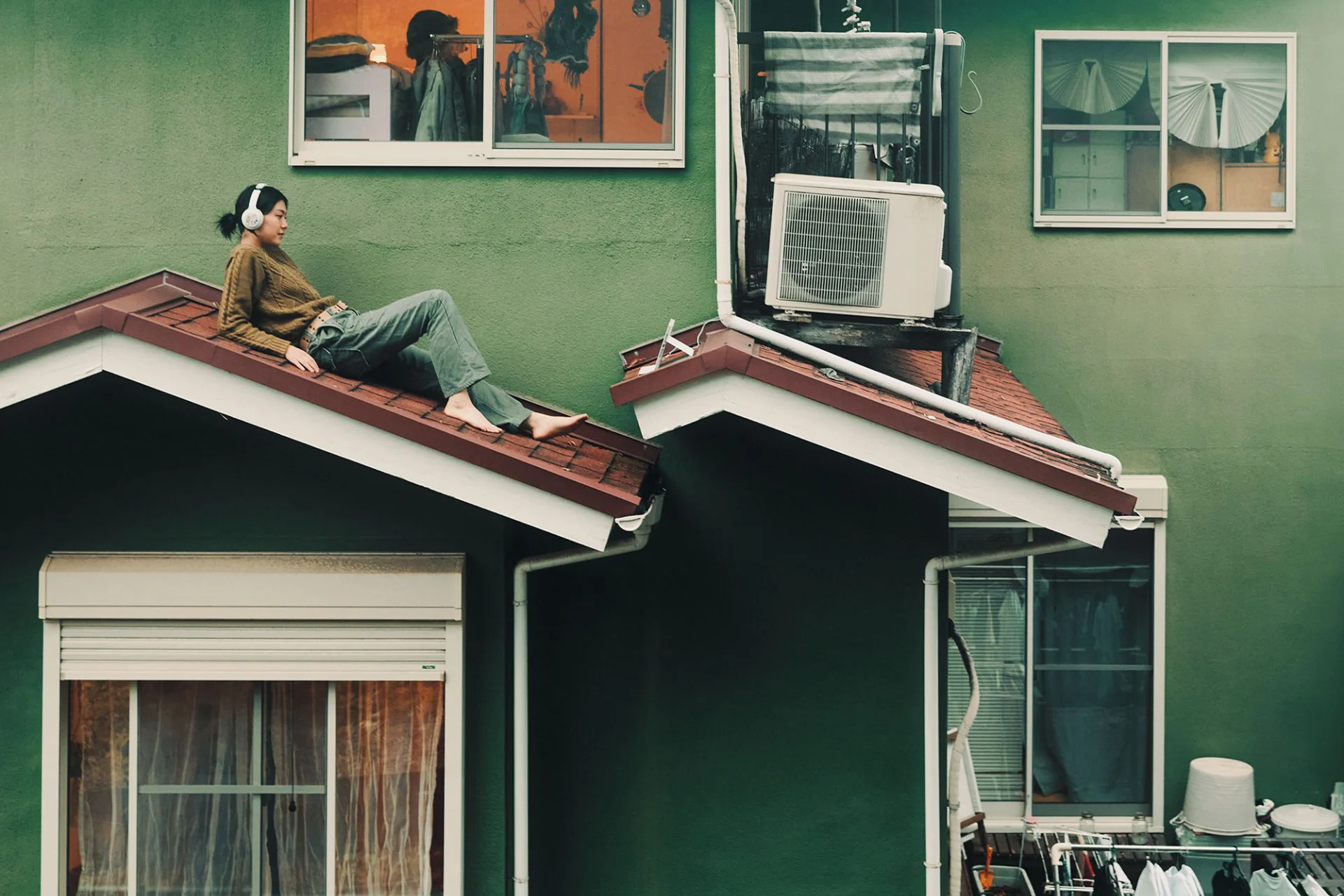
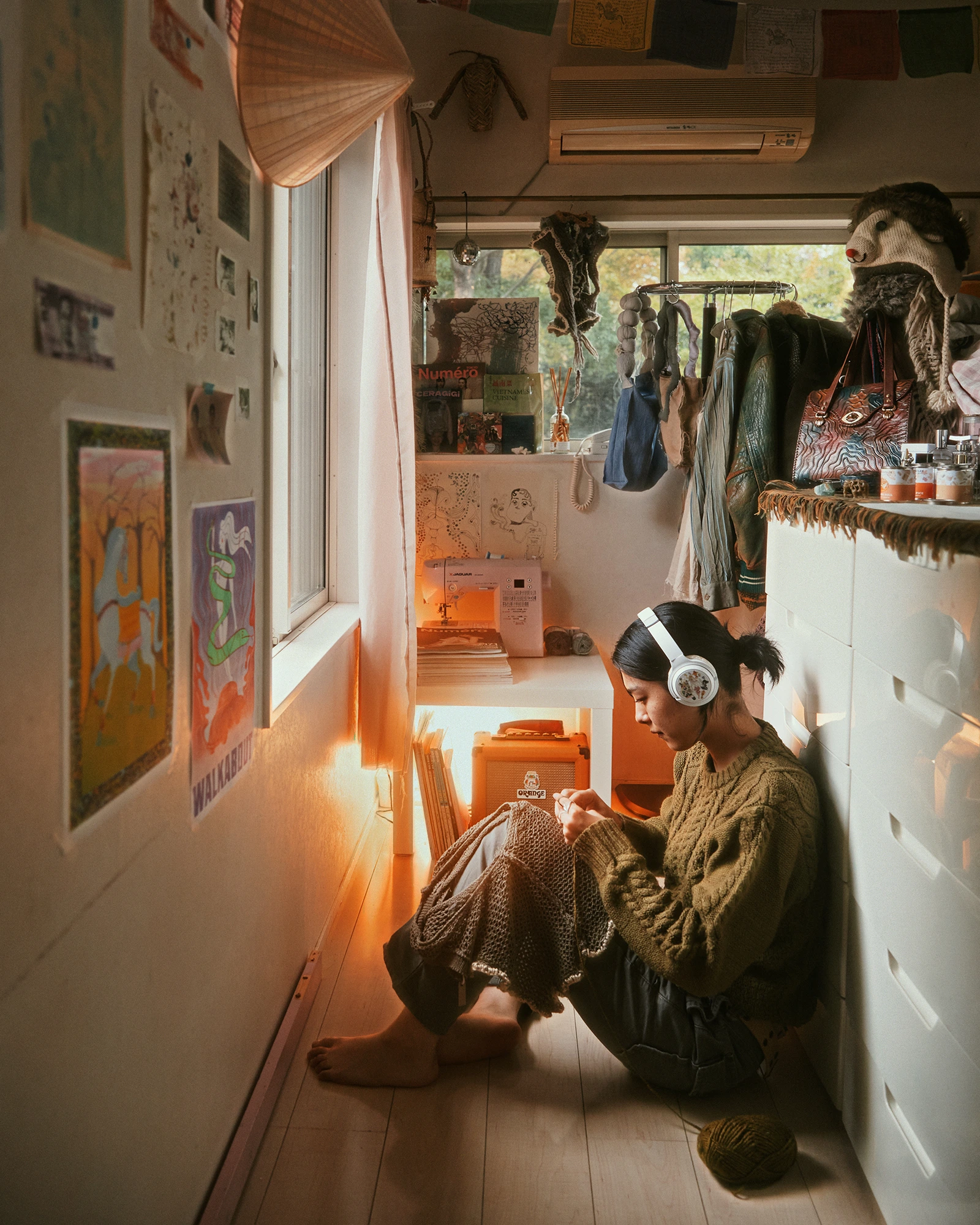
The ‘Home Away From Home’ portrait series for Musubi Magazine documents Tokyo’s creative community in their homes. What do you look out for when conducting photoshoots in personal spaces, and how do you adapt your directing when coming into someone else’s personal environment?
I look for things or keepsakes that let the viewer’s eye wander over. I like to think it’s fun to discover or recognise something in the frame that says more about the subject beyond their pose and expression. I wanted to have a feeling that’s not too voyeuristic, but an idea of what their daily life might feel like.

How do you adapt your visual language when creating work for audiences across markets with different aesthetic sensibilities while still maintaining your signature approach?
"Signature” is always subject to change. I think it’s always trying to find the balance between creative and commercial.
The core of what I like visually is a feeling: youthfulness, intimacy, a sense of family or connection. I think those themes feel universal, regardless of geography. Even if the surface aesthetics shift, that emotional undercurrent is what anchors it and, hopefully, makes it recognisable.


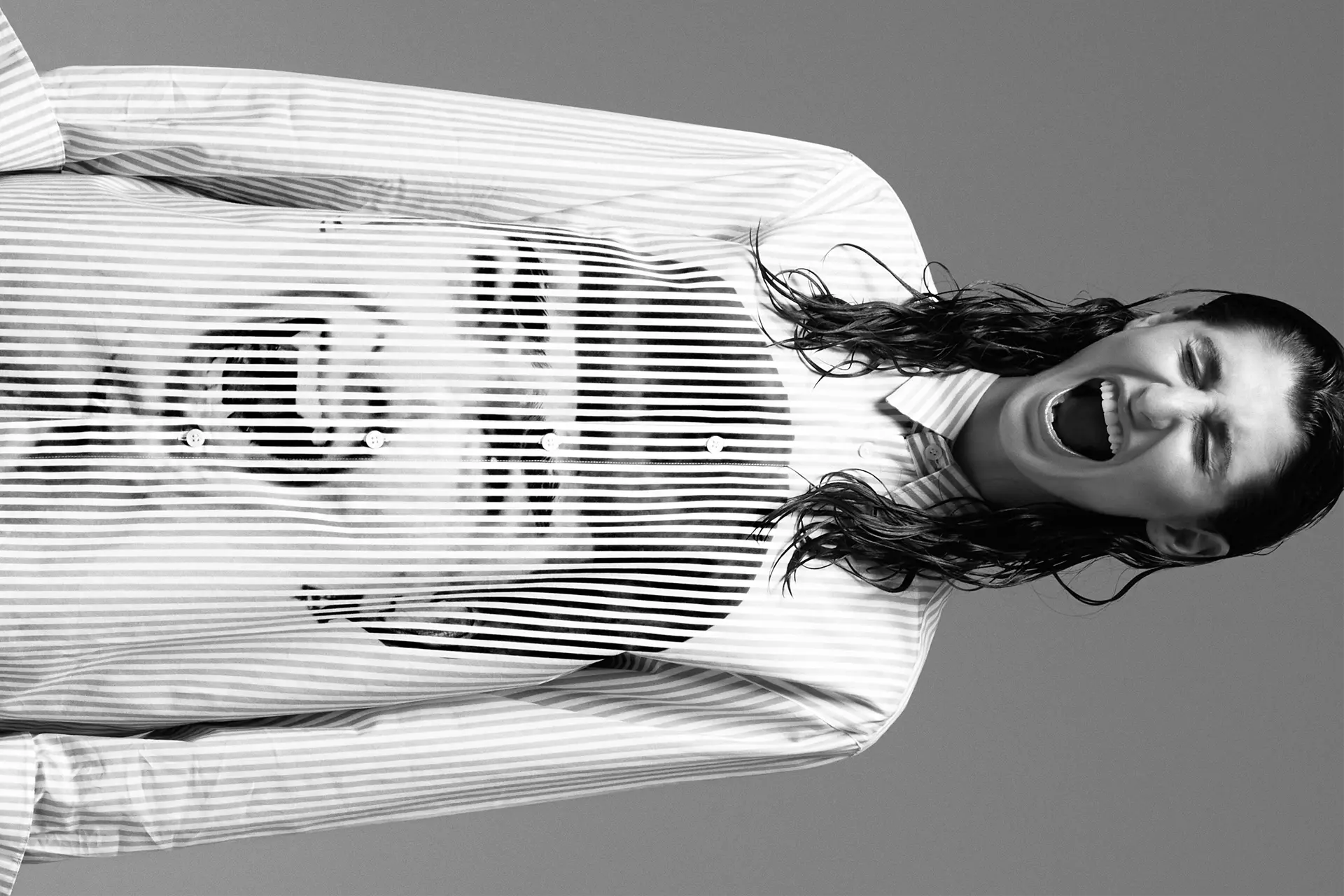
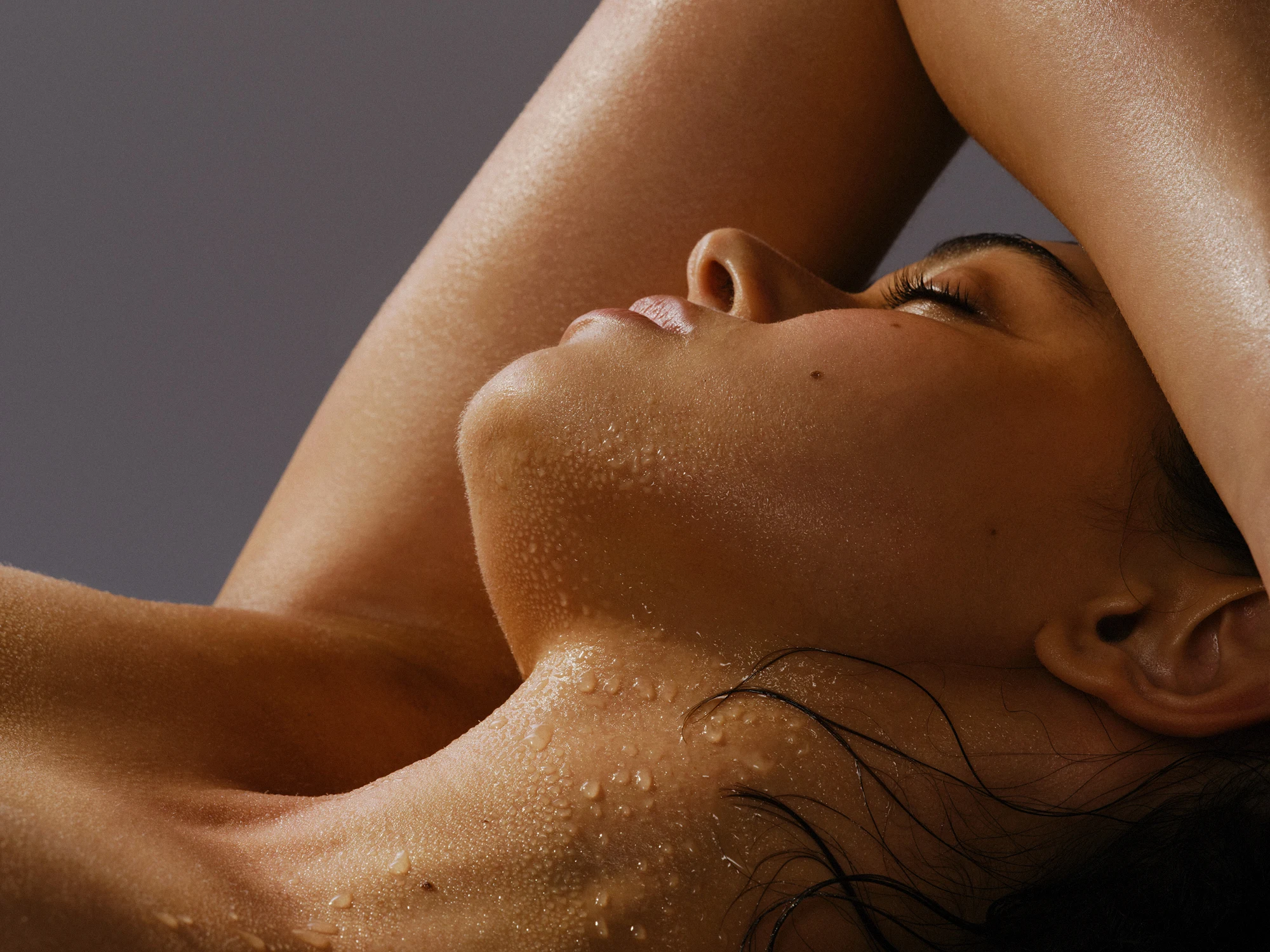
The Heat project explores humidity’s physical effects on the body, which is quite a specific conceptual focus. How do you translate abstract ideas or sensations into tangible visual direction?
I work backwards from the clients or brands that inspire me and focus on a defining term as a building block to get inspiration. After that, it’s just about choosing the right ingredients to serve that concept: talent, light, team.

You’re often inspired by films and culture from past travels. Can you share an example of a film or cultural moment that has inspired or influenced the visual treatment of a shoot you’ve done?
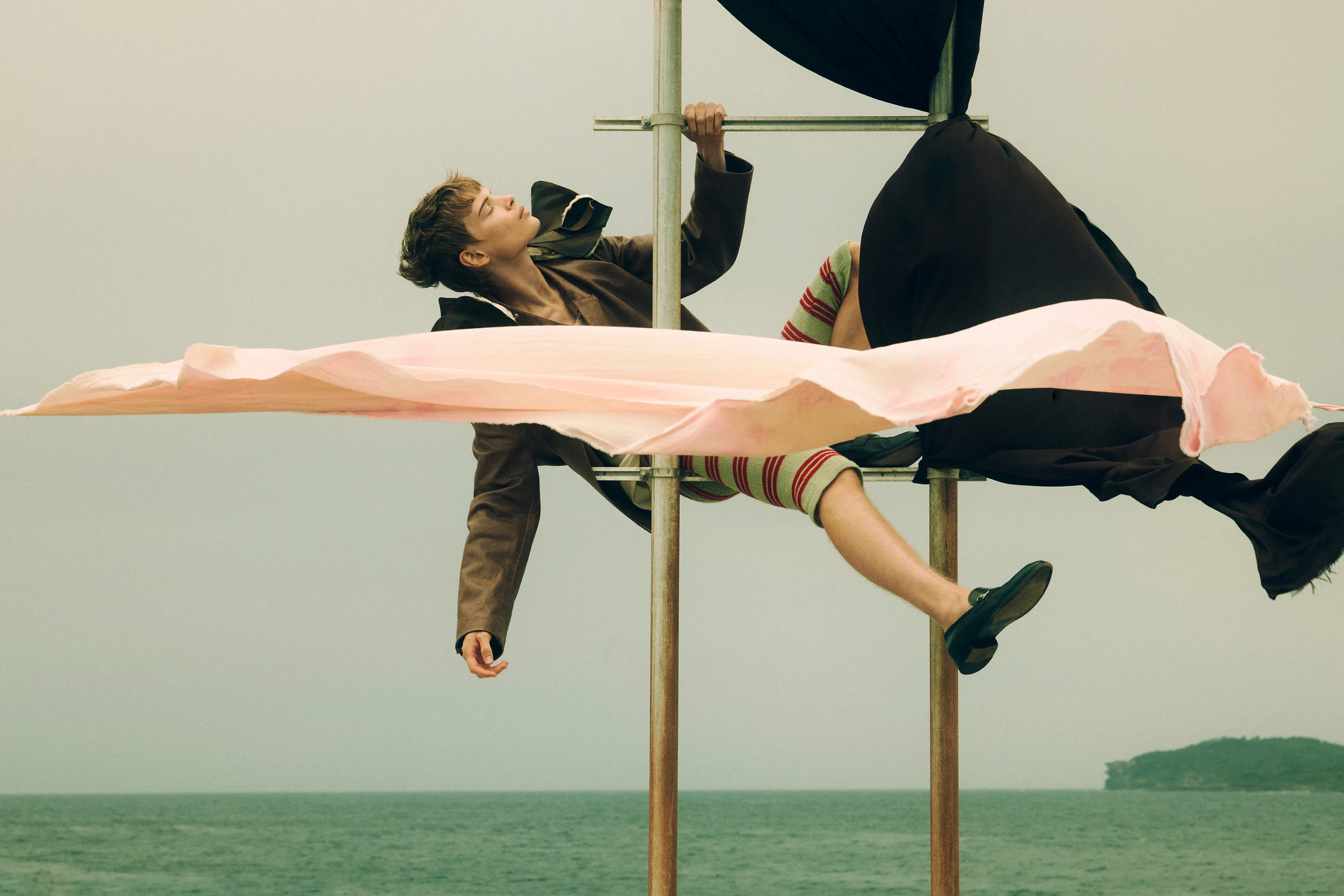
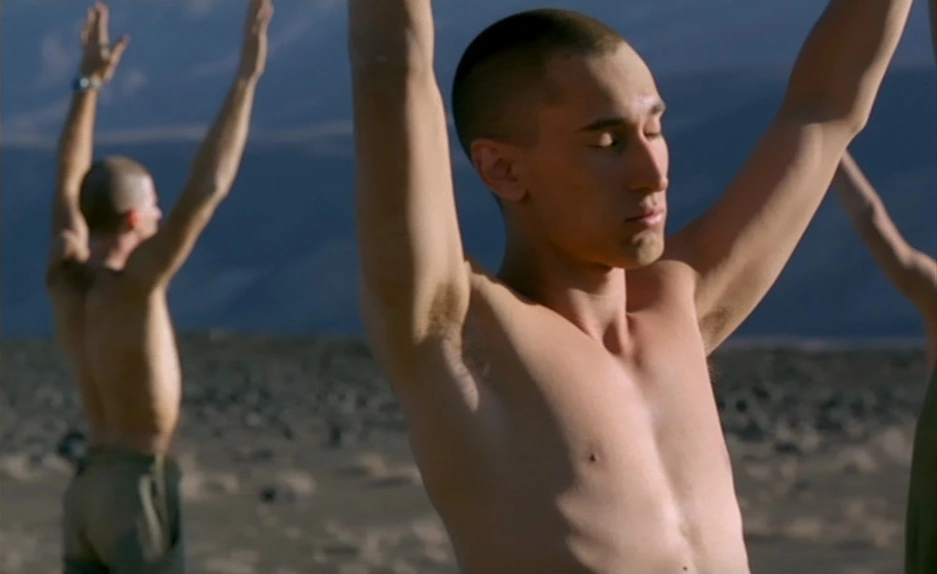
There was a men’s editorial inspired by the French film Beau Travail. I was drawn to the sculptural way it frames the male form – the intensity of physical discipline, bodies under hard sunlight against an open blue sky. It was interesting to see how movement transforms clothing, how fabric stretches, pulls, and expands with the body in motion.


Over the years, how has hands-on experience as a lighting assistant, studio assistant, and on-set digital operator, working for photographers like Craig McDean and Liz Collins, shaped the way you craft your own images now?
Restraint has been an important lesson for me – lighting should support the narrative, not compete with it. On those sets, it’s easy to become absorbed in the technical, but I’ve learned that clarity often comes from simplifying rather than adding.
Like cooking, when the core ingredients are strong, they don’t need much embellishment. Absence can be just as powerful as presence.
After living in busy cities overseas, you’ve mentioned coming to really appreciate Australia’s open spaces and quiet beauty. How has that shift in perspective influenced what you’re drawn to shoot and the stories you want to tell?
I think it’s shifted my perspective in that you don’t have to travel far away to find something interesting. Easier said than done, so it’s still something I’m working on!
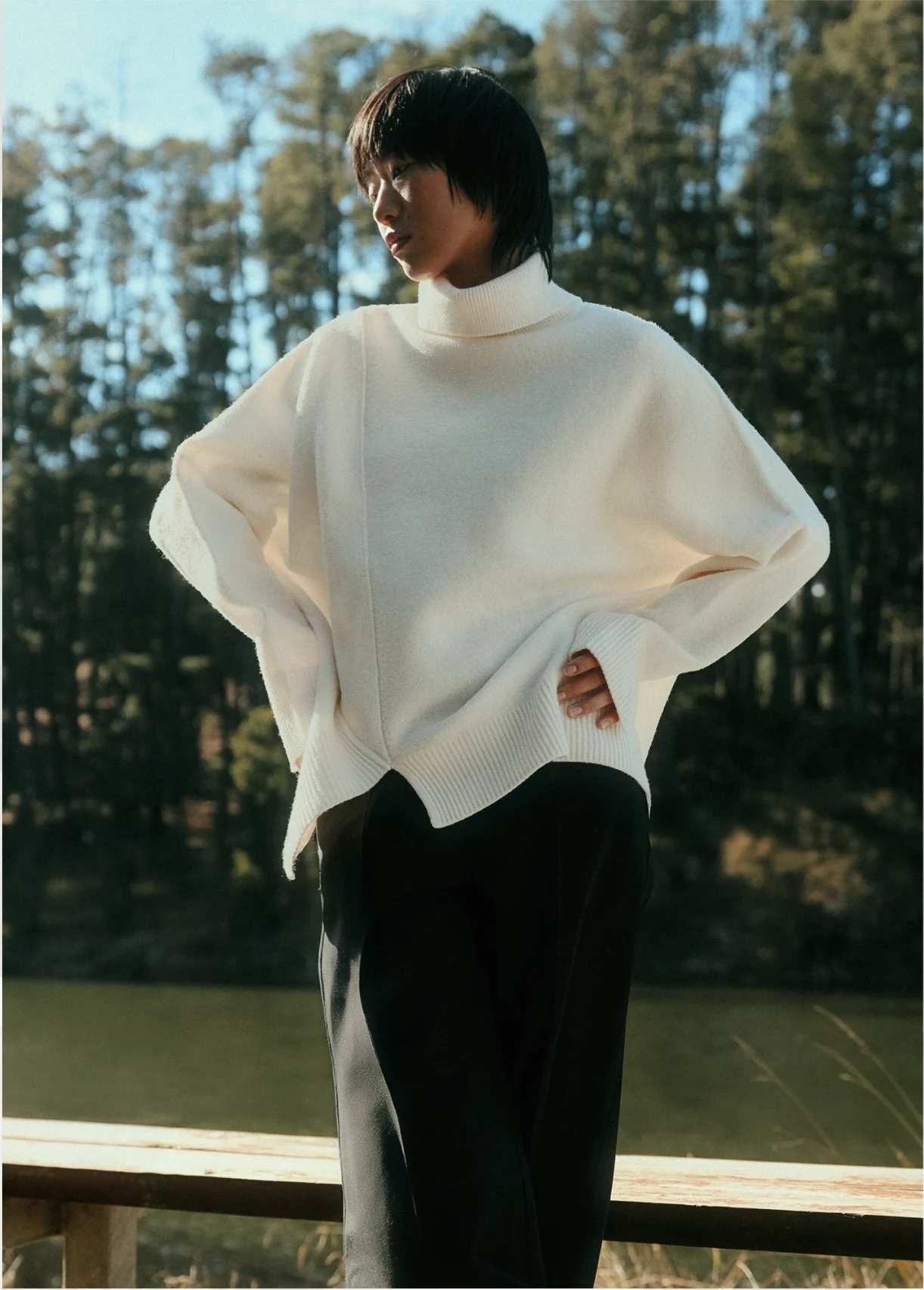
You’re now based between Melbourne and Tokyo and continue to seek out places where locals gather and chase real stories and moments. As you look ahead, what kinds of stories or creative territories are you eager to explore next?
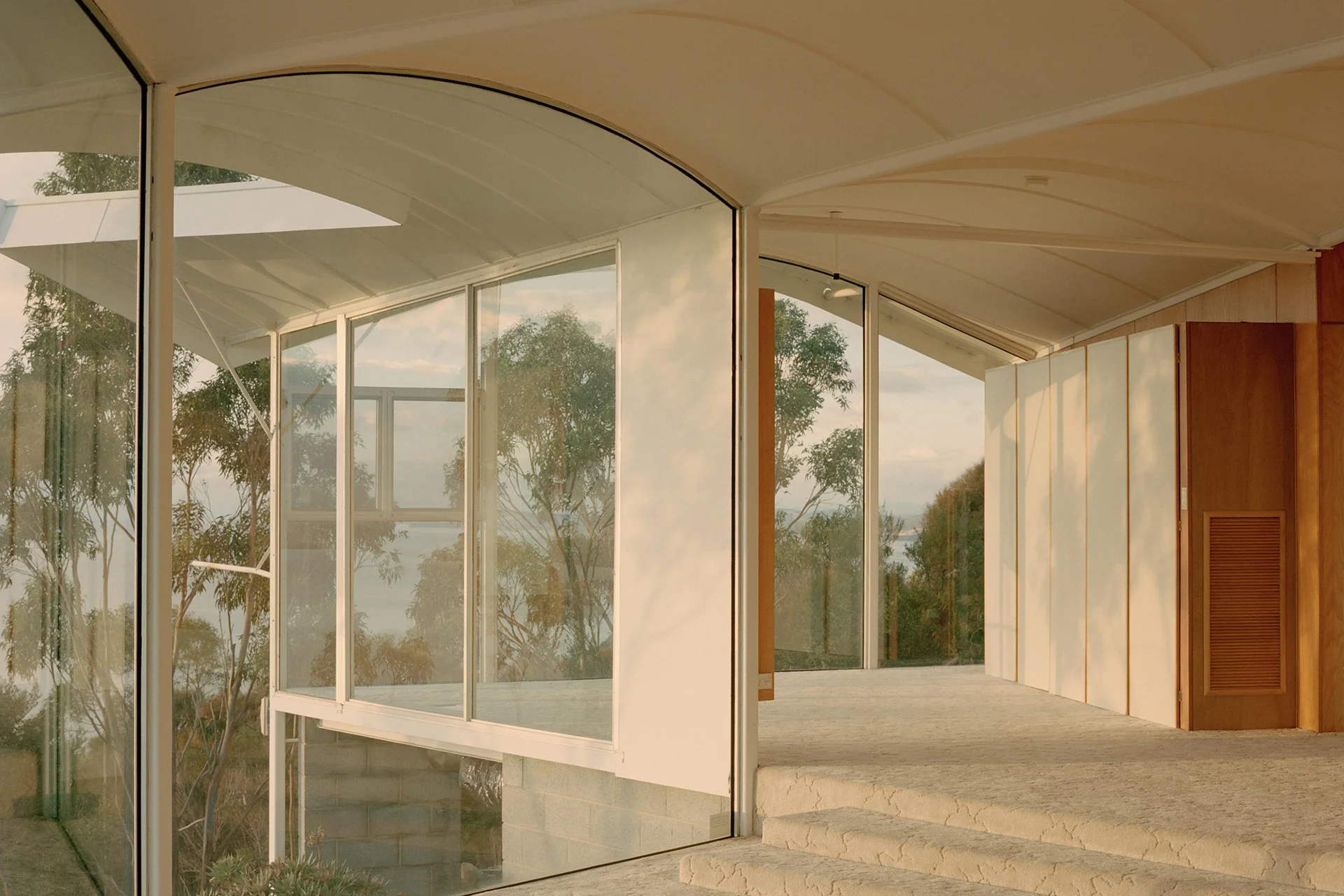
I’ve started having an appreciation for interiors and design, which are quite distinct personalities for the two cities, so it’s been fun to relook at things without a talent-first mindset, with atmosphere and environment as the lead character.
Motion has been a fun thing to get into as well – it’s opened up more possibilities, and it’s fun to experiment with a series of images as a sequence. I have to say, sometimes I prefer editing rather than retouching an image.