Elaine Li
Elaine Li is a photographer and creative director based in Hong Kong, with years of experience living and working across Melbourne, Sydney, London, Chicago, and San Francisco. Her work is visceral and narrative-driven. A Cannes Young Lions winner, international awards judge, and one of the early community builders of Instagram's photography scene, Elaine brings both instinct and intention to every project, whether she’s directing a brand campaign or wandering a neighbourhood in search of a compelling image. In this conversation, Elaine discusses the feedback loop between advertising craft and personal photography, what resonates across cultures, and the distinctive qualities of Hong Kong grit, humor, and mix of cultures embedded in everyday life.
Photography was part of your home environment from a young age, especially with it being your dad’s hobby. Your dad gifted you your very first camera and would give you pointers during family vacations, though as a teenager you were determined to shoot what you wanted – an independent creative streak many of us can relate to! Looking back at his photographs now, what interesting perspectives have you discovered in his photos, and have any aspects of his approach found their way into your own practice?
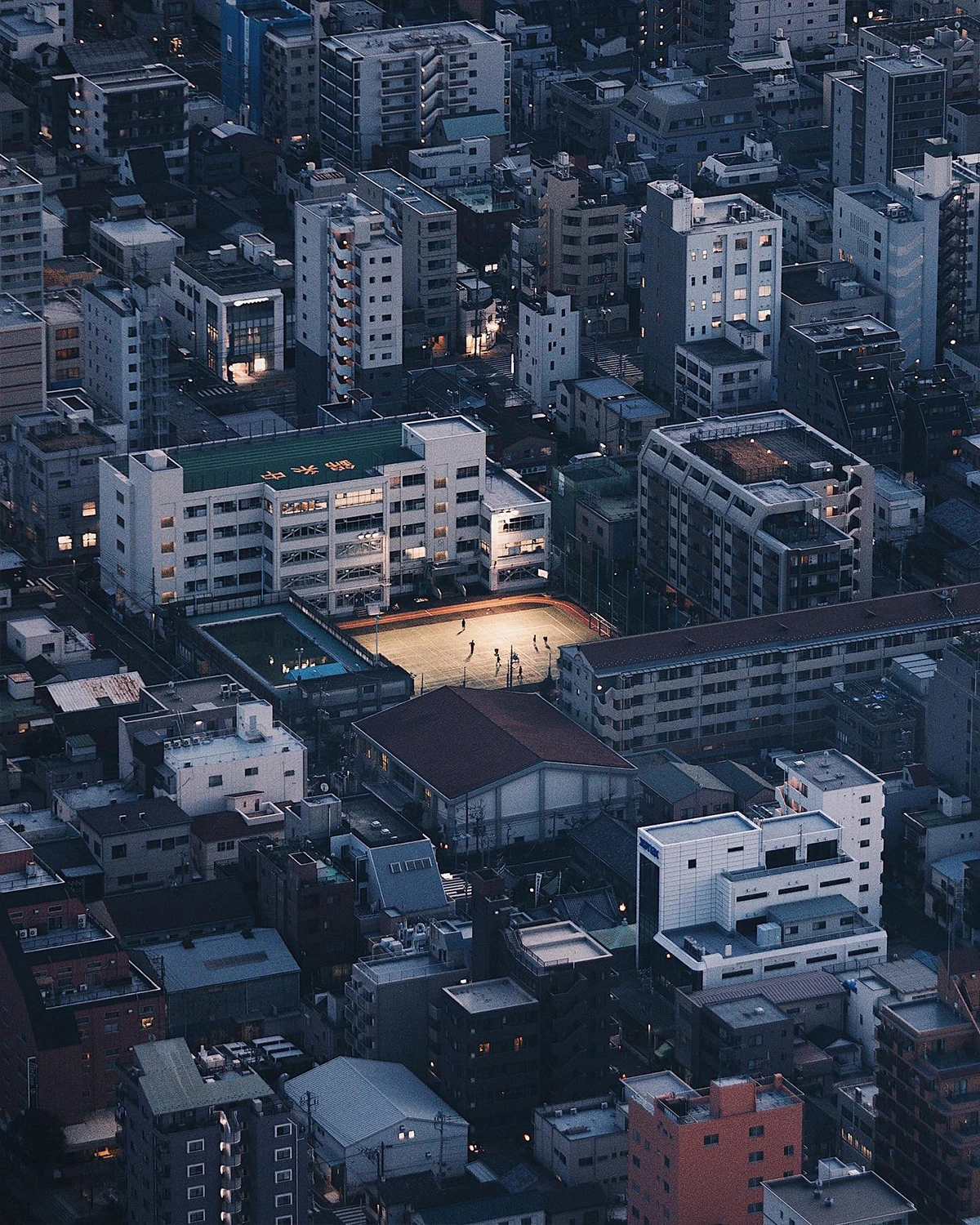
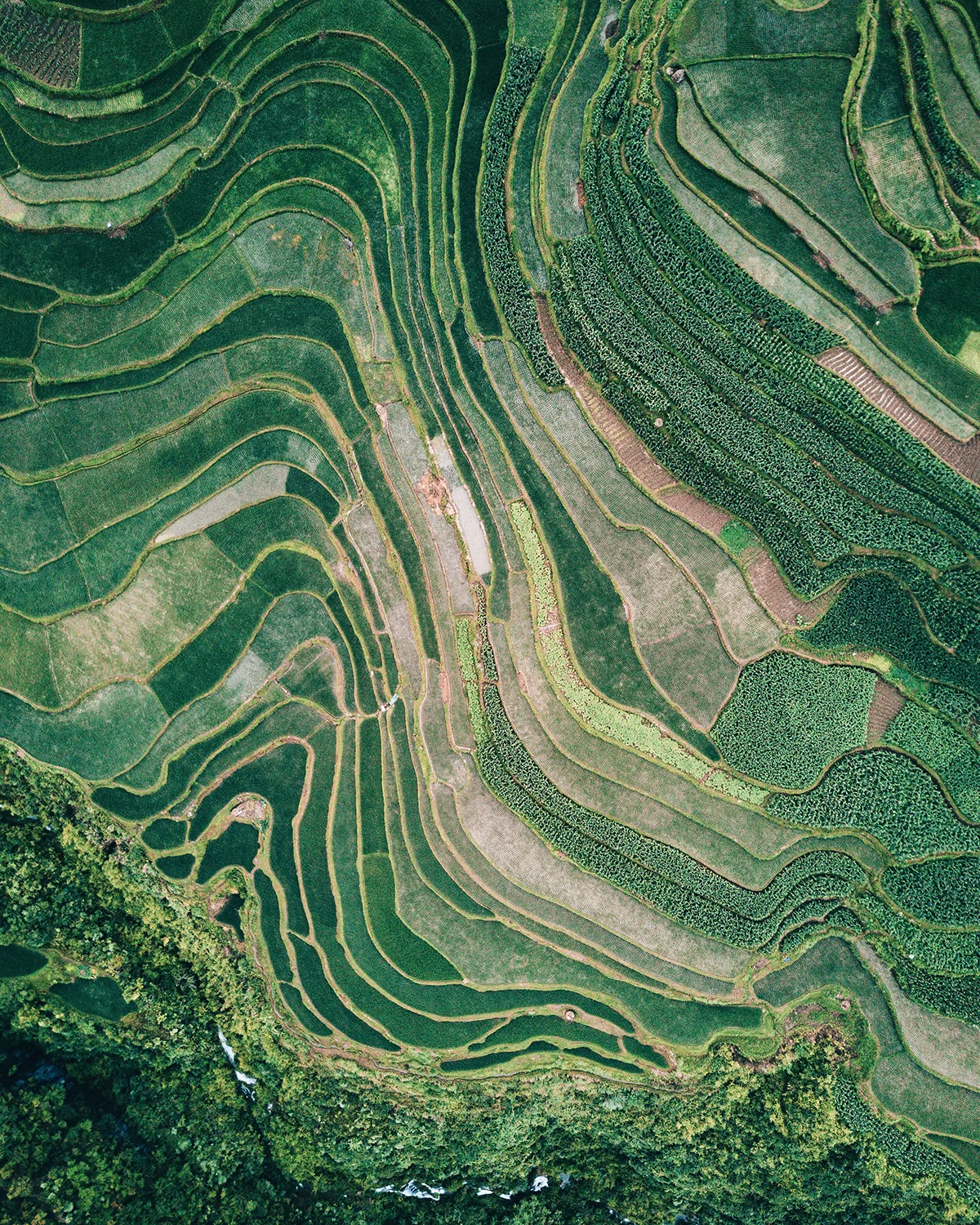
My dad was the OG “get the shot at any cost” photographer. I vividly remember him literally climbing a basketball hoop structure just to get a top-down perspective on the players. For him, it wasn’t just a hobby. It was an obsession with the craft and a refusal to miss the moment. Looking back at his contact sheets now, I realise I inherited that restless eye. He taught me to be more observant and, ultimately, to look at the world from a different angle.
Over the years, you’ve accumulated extensive experience in both the advertising world and personal travel photography. How do these two practices inform and strengthen each other? Are there specific techniques or approaches you’ve adopted from one discipline to elevate the other?
It’s a weird constant feedback loop. Advertising is driven by the “Big Idea” and high-end craft, whereas my personal photography is raw and unscripted. They strengthen each other: advertising has made my personal frames more intentional, and I’m always hunting for the narrative, while photography keeps my commercial work human and authentic.
In your advertising work, you’ve collaborated with many TV commercial directors, photographers, and other creatives. Can you share a specific technique, process, or insight you’ve gained from these collaborations that has shaped your approach to creative direction and photography?
The biggest takeaway from collaborating with top-tier directors and photographers is the importance of the “sell.” It’s one thing to have a vision, and it’s another to frame it so a client feels brave enough to say yes. We have to admit we’re in the business of commercial art. A great collaborator is a master of their craft, but also a strategist. I’m always impressed by directors who can protect the core essence of a piece while navigating a boardroom full of marketers. It really is a masterclass in creative diplomacy.
When you arrive in a new city, what’s your process for getting beneath the surface-level tourist perspective to find those authentic moments that reveal more about a place's character?
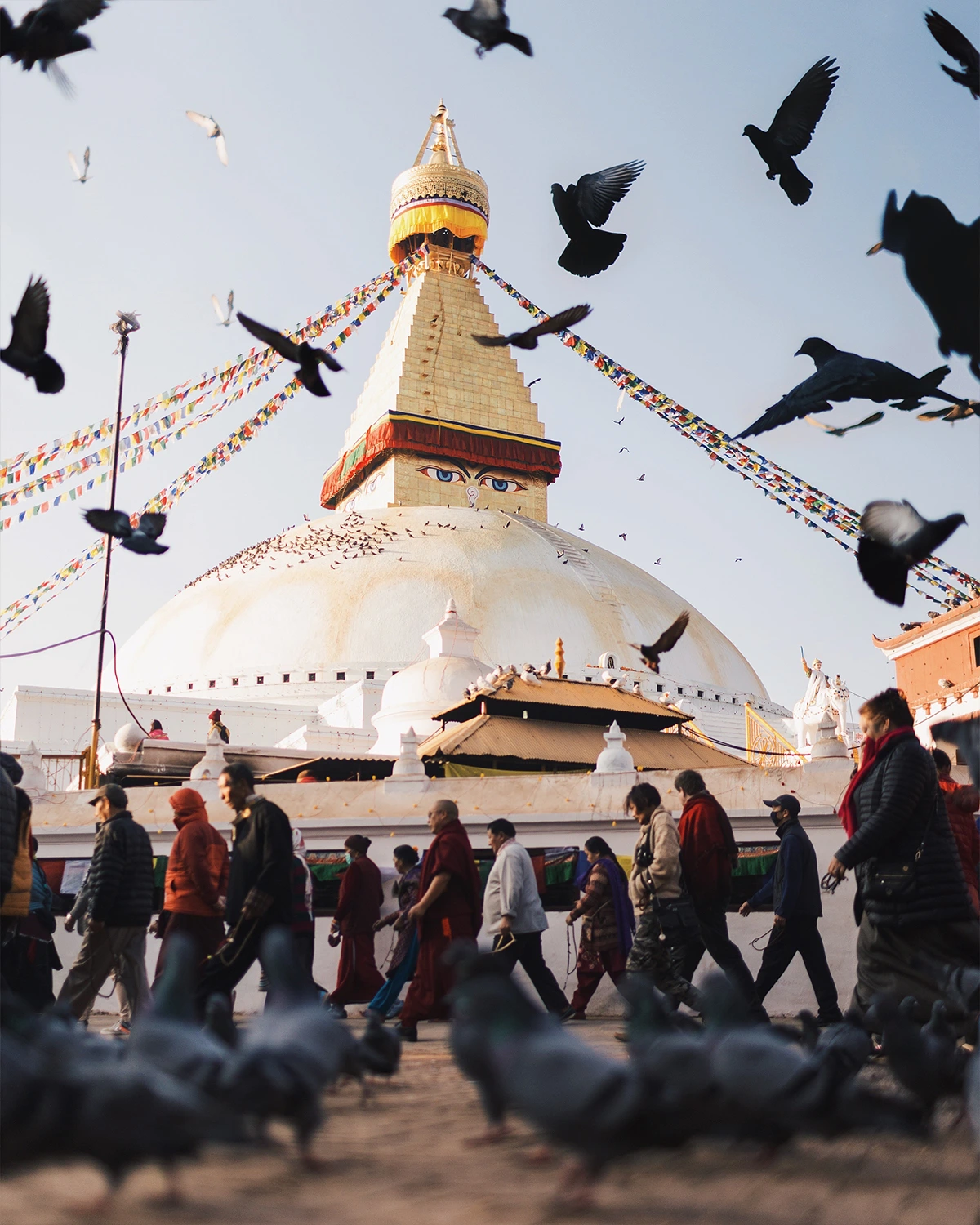
I still visit the “typical” tourist spots. I like to hit those first just to get them out of my system. My real process, however, is to pick an interesting neighbourhood and start walking aimlessly until I’m slightly lost. The most rewarding moments are always the ones you didn’t see coming.
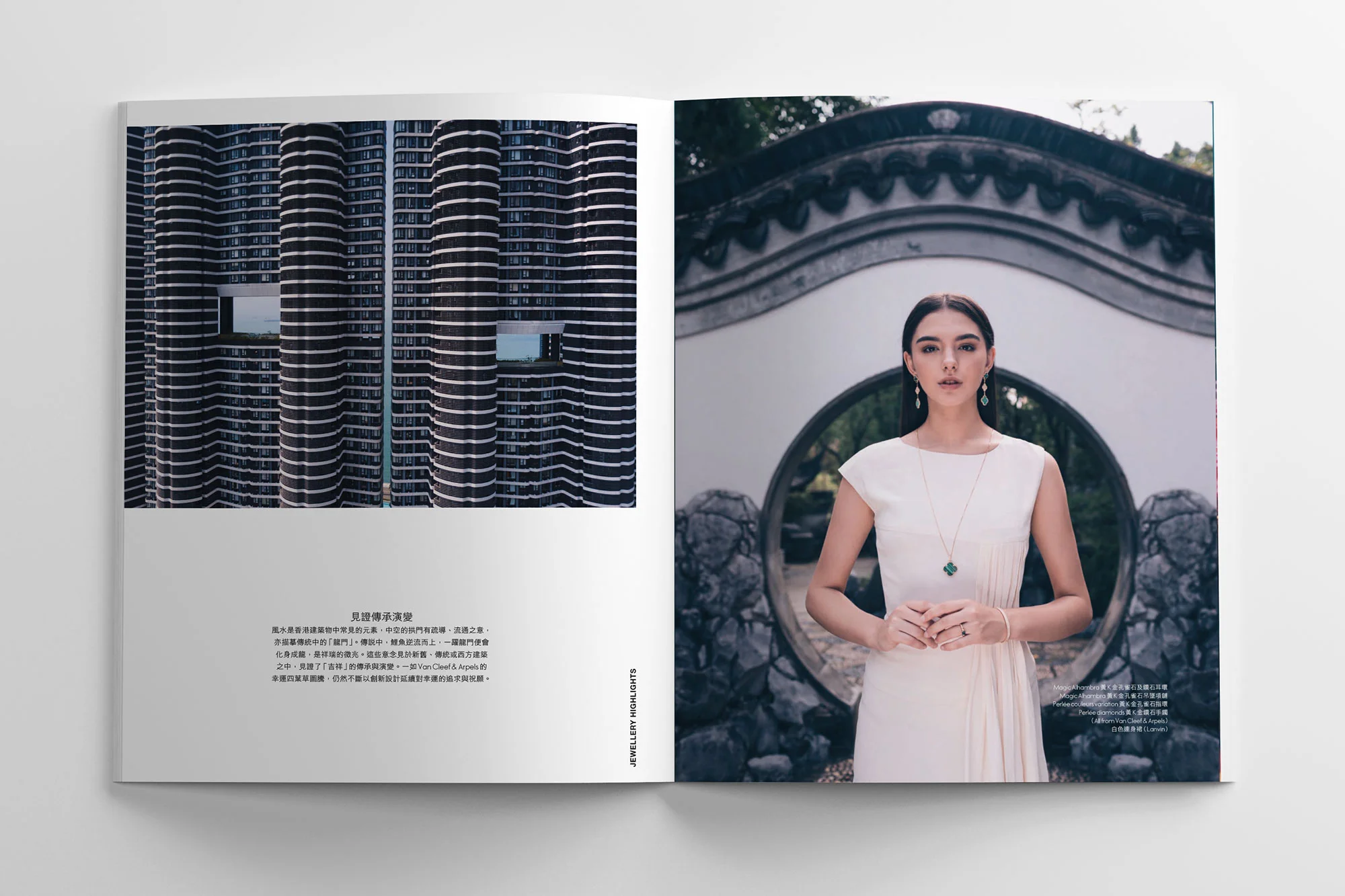
You’re now back in Hong Kong after living in Sydney, Melbourne, London, and other cities. What’s something distinctive about Hong Kong’s culture or urban fabric that becomes visible when you’ve truly lived and breathed the place that others might typically miss?
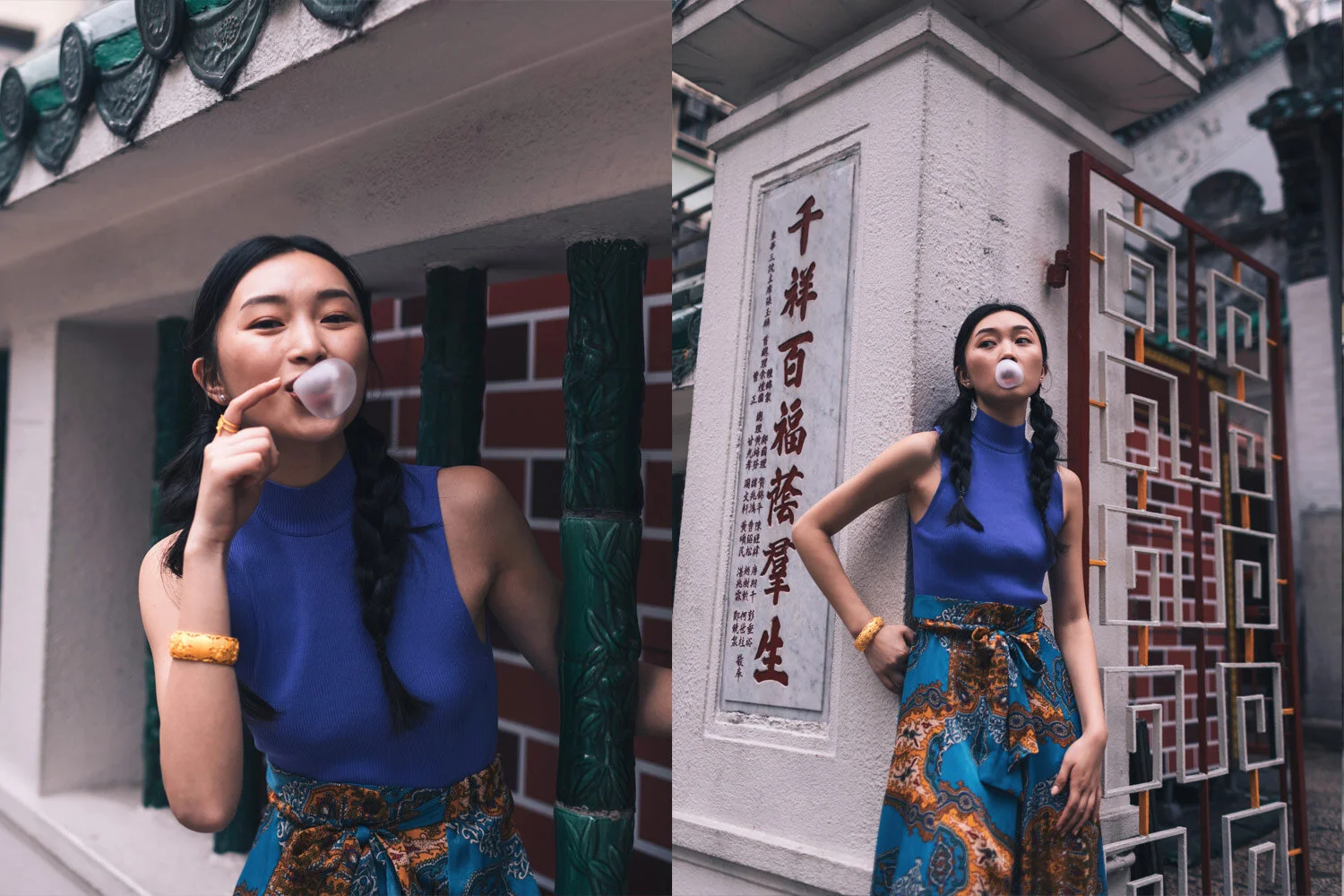
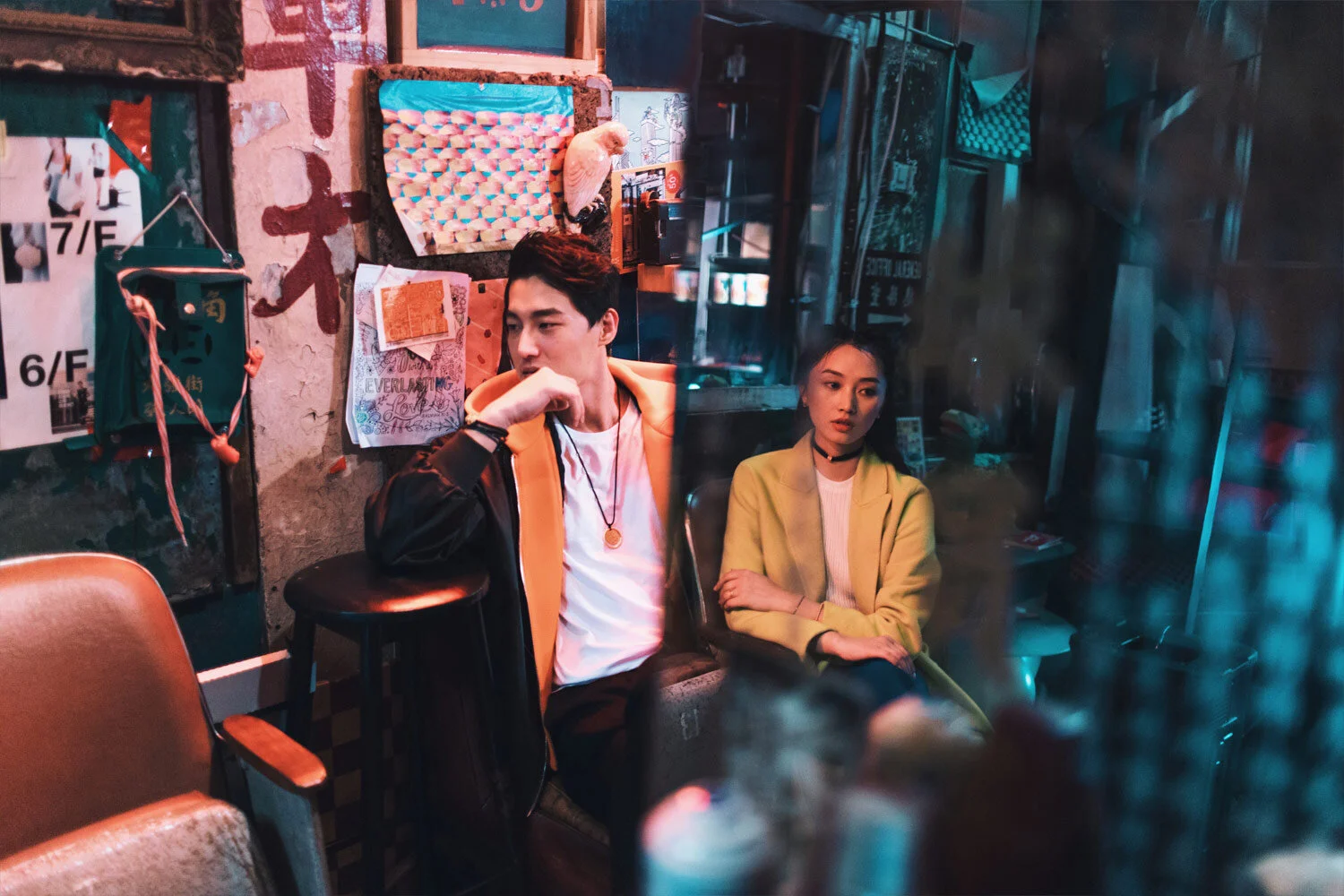
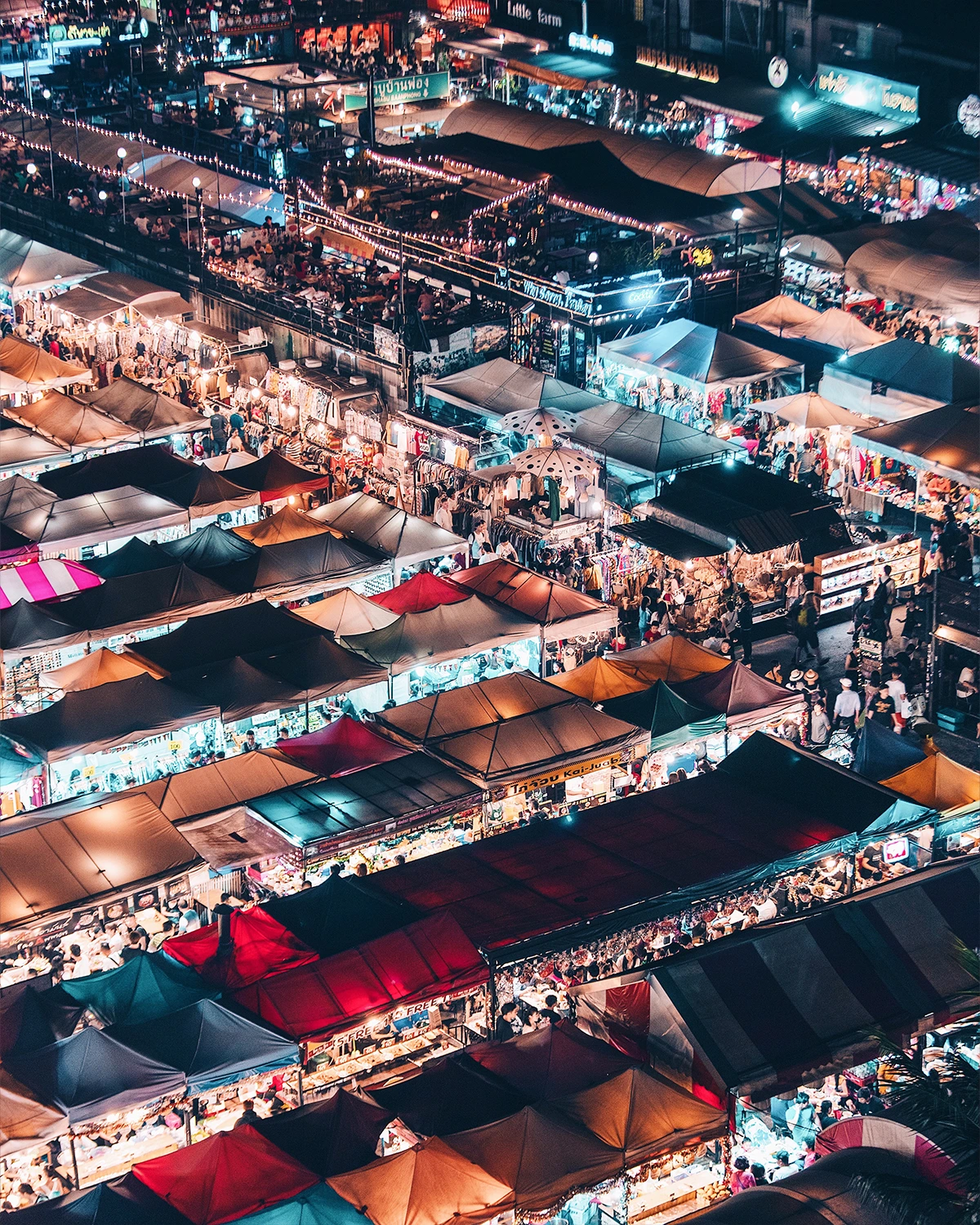
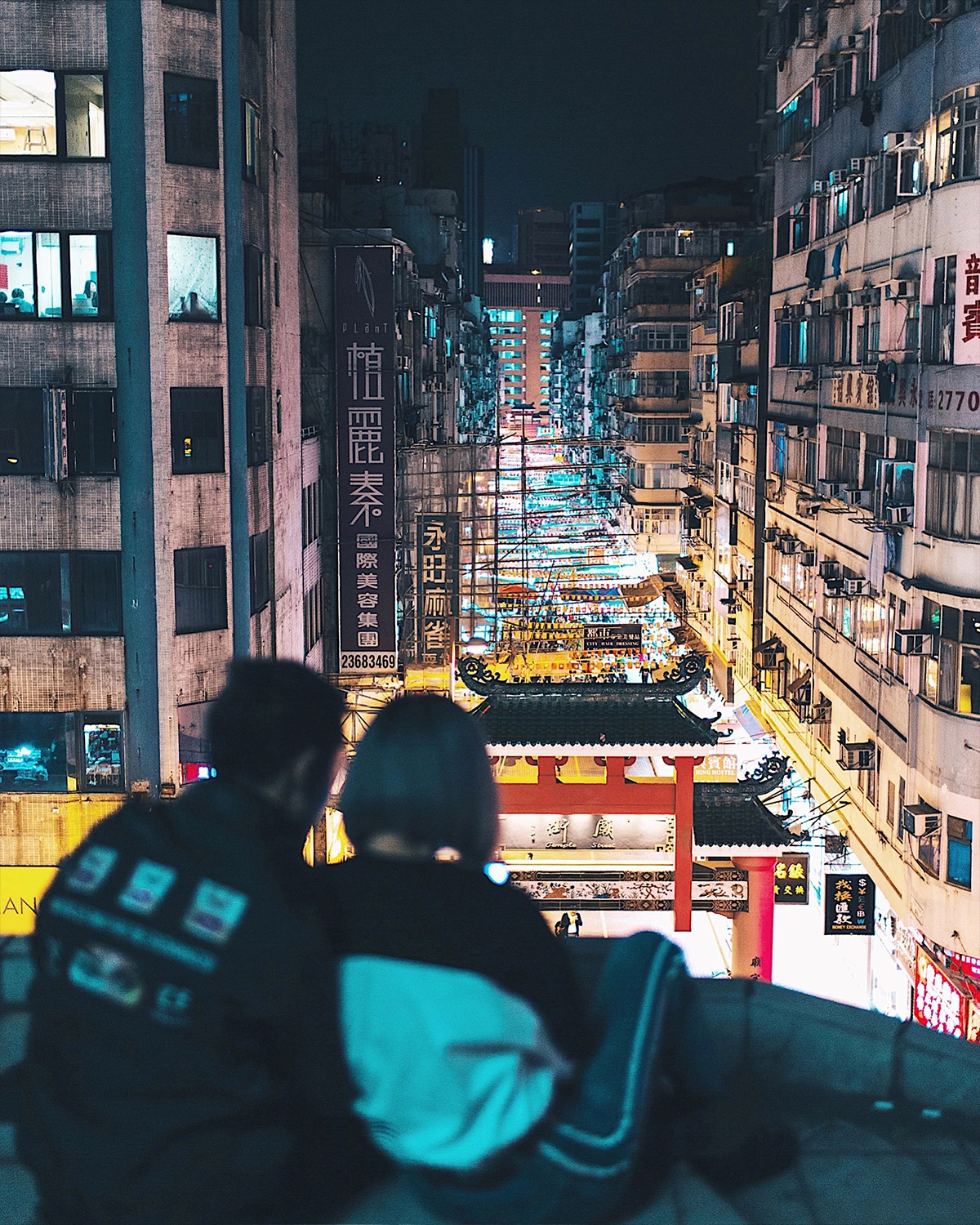
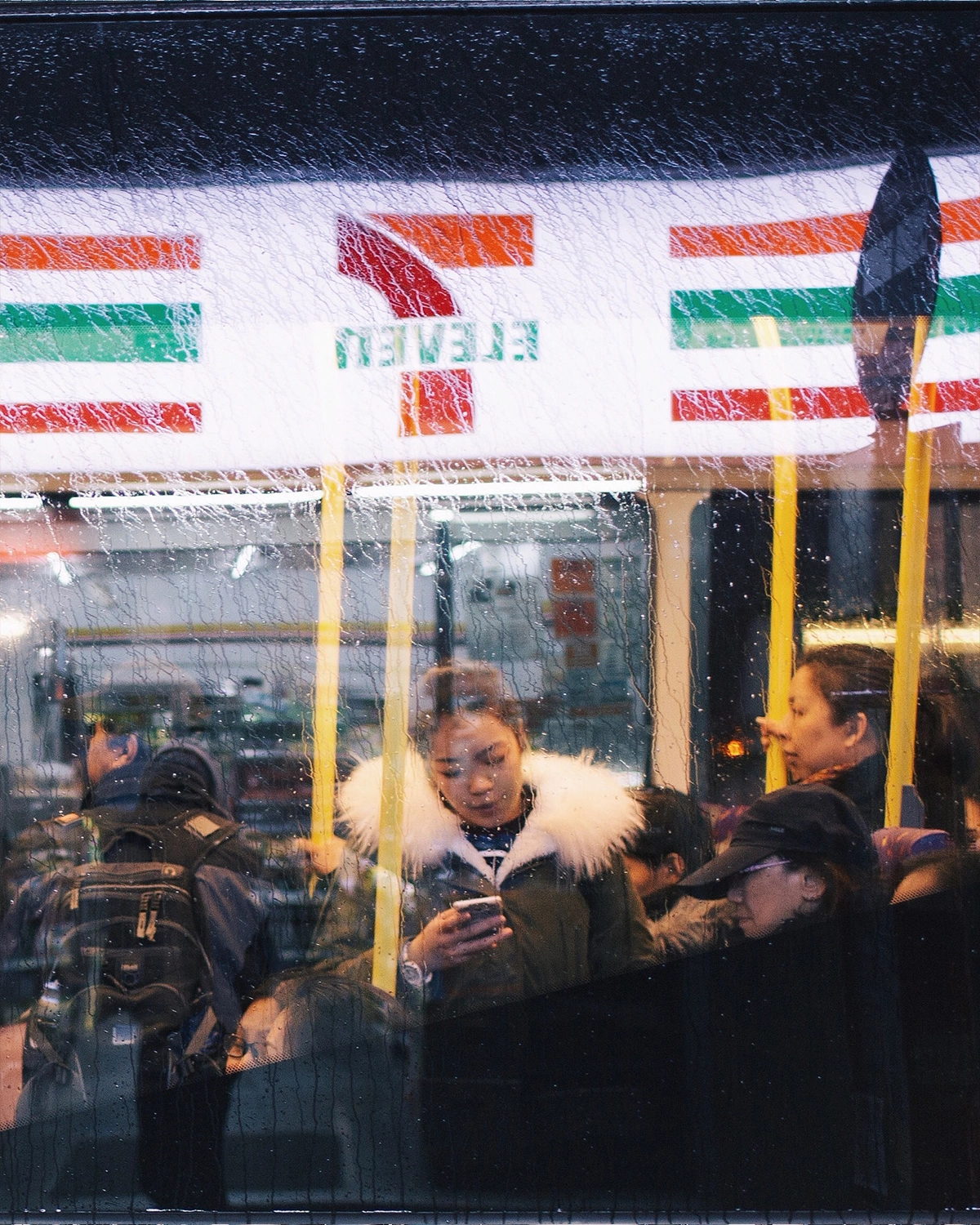
Hong Kong is home, so I’m biased, but there is a specific energy here you won’t find anywhere else. It’s the “Hong Kong grit” – you have to see it to feel it. Our history and mix of cultures are so embedded in the everyday. They’re reflected in the food, the architecture, and the way we move, behave, and live.
On top of that, unlike many other big cities, Hong Kong is incredibly safe. As a woman, I can explore a back alley at 3 A.M. taking photos without a second thought. That’s a luxury I definitely took for granted before living abroad.
You’ve built meaningful photography communities around the world, going on weekend excursions, hosting visiting photographers, learning from local perspectives. How do you actively seek out and nurture these creative relationships when you move to a new city, and how has this cross-cultural network of photographers influenced your visual perspective and practice?
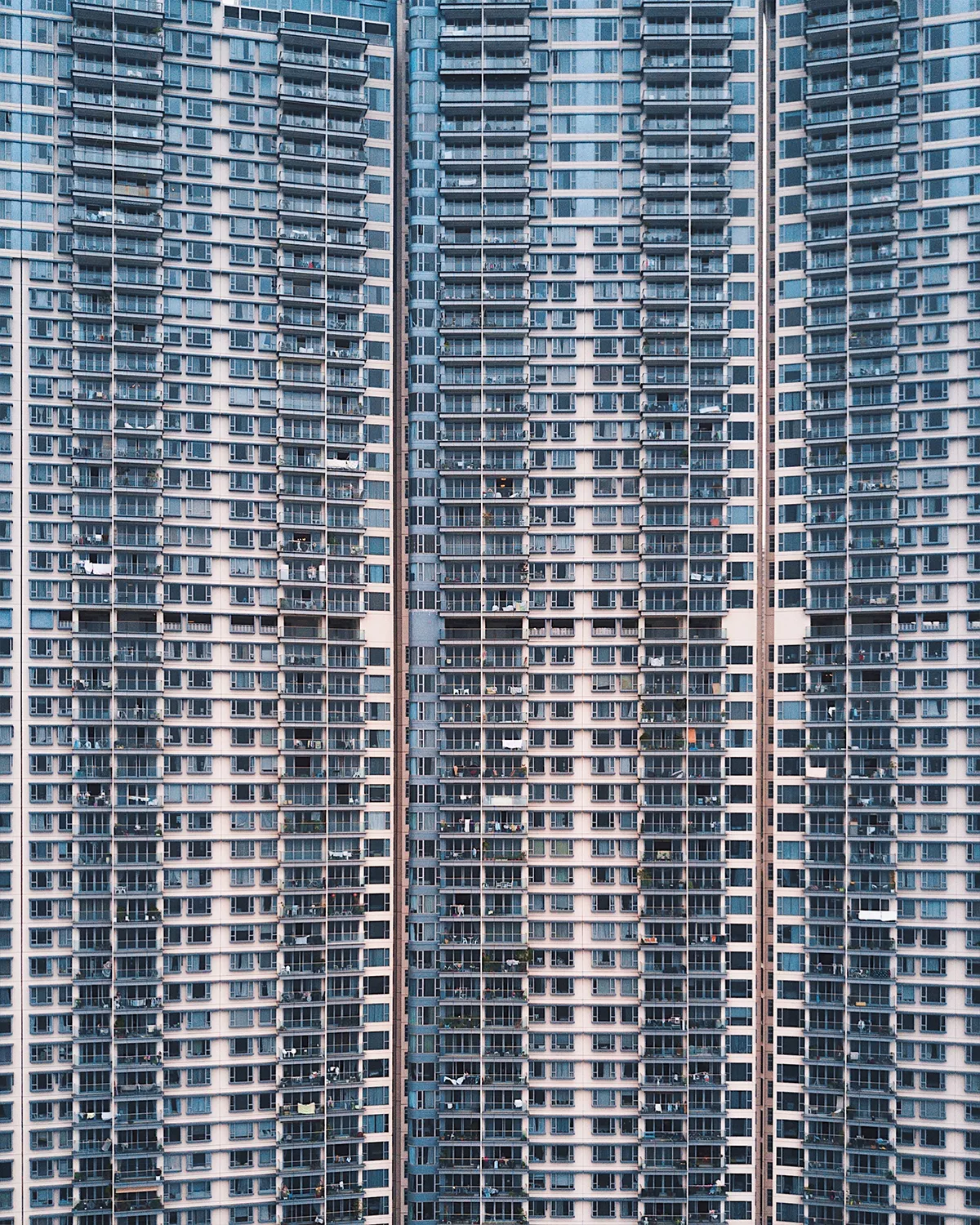
I was an early adopter of Instagram back when it was a genuine global community. We didn’t “network” then. We just met up for photowalks and chased light because we loved it. It happened organically. The best part of meeting visiting photographers is seeing my city through fresh eyes. Watching a visitor freak out over a mundane housing estate I’ve passed a thousand times makes me fall in love with my own backyard all over again.
Nearly a decade ago, you traveled to Zhangjiajie in China’s Hunan Province with eleven Instagrammers for a photography-focused trip. Looking back, what made that experience memorable? What did you learn from shooting alongside these other photographers in such a visually dramatic landscape?
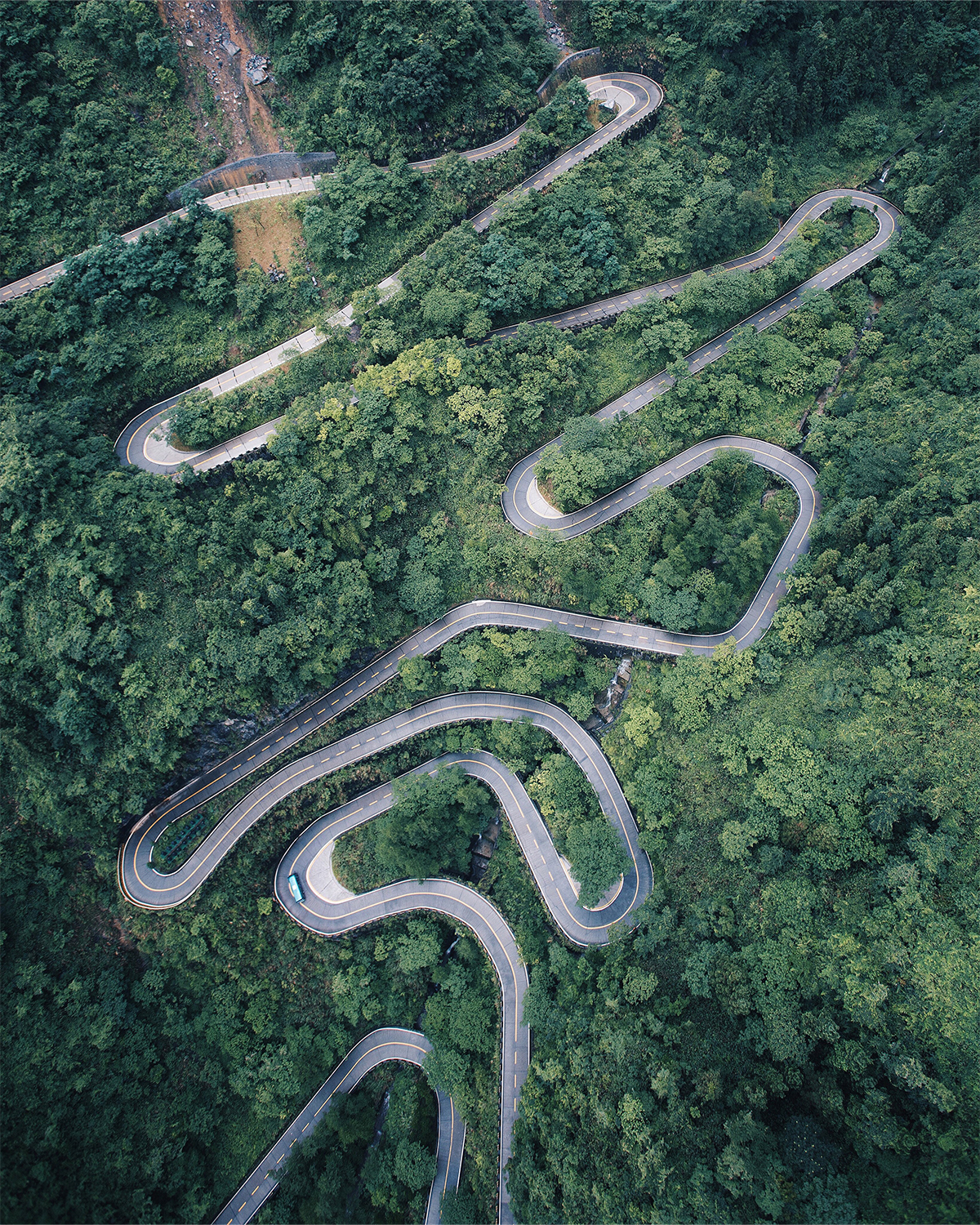
Eleven strangers. Rural China. Squat toilets. Torrential rain. It was chaotic, and it was awesome. While we all walked away with “banger” photos, the most memorable part was the human element. We were a group from all walks of life, brought together by a simple app.
One moment that stayed with me was watching locals pretend to take photos of each other when they were actually trying to photograph our Black friend, simply because they’d never seen a Black person in real life. It was a visceral reminder of how small, and yet how massive, the world really is.
You’ve competed in Cannes Young Lions for both Hong Kong and Australia, placing top 5 globally in 2019. What aspects of Hong Kong’s creative culture do you think are underappreciated internationally, and what practices from cities like Melbourne or Sydney have you brought back to your work in Hong Kong?
Hong Kongers are incredibly witty, but our humour is often so hyper-local that it gets lost on the global stage. Having worked in Australia, I noticed the agency-client relationship there feels like a true partnership – a shared leap of faith. In Asia, it can feel more transactional. I try to bring that “let’s build this together” energy back to my work here, though cultural differences can sometimes make it an uphill battle.
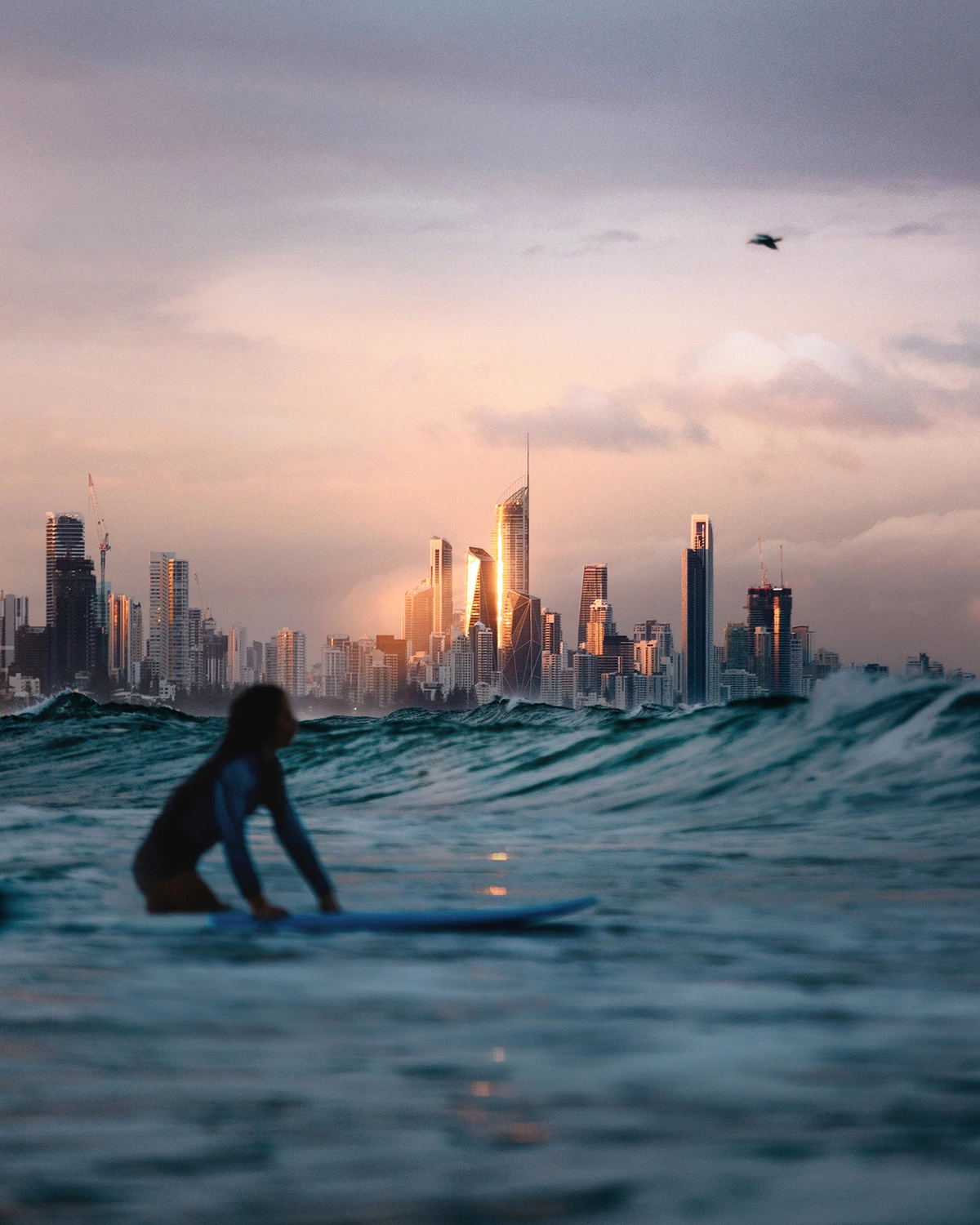
In your role as a judge for international awards like D&AD, AWARD, and Gerety, what qualities do you notice in work that resonates across cultures? How does this inform your own practice?
Whether you’re in London or Tokyo, everyone respects work that someone has clearly poured their soul into. I believe craft is the only universal language we have left. It’s the one thing that still can’t be faked by an AI prompt.
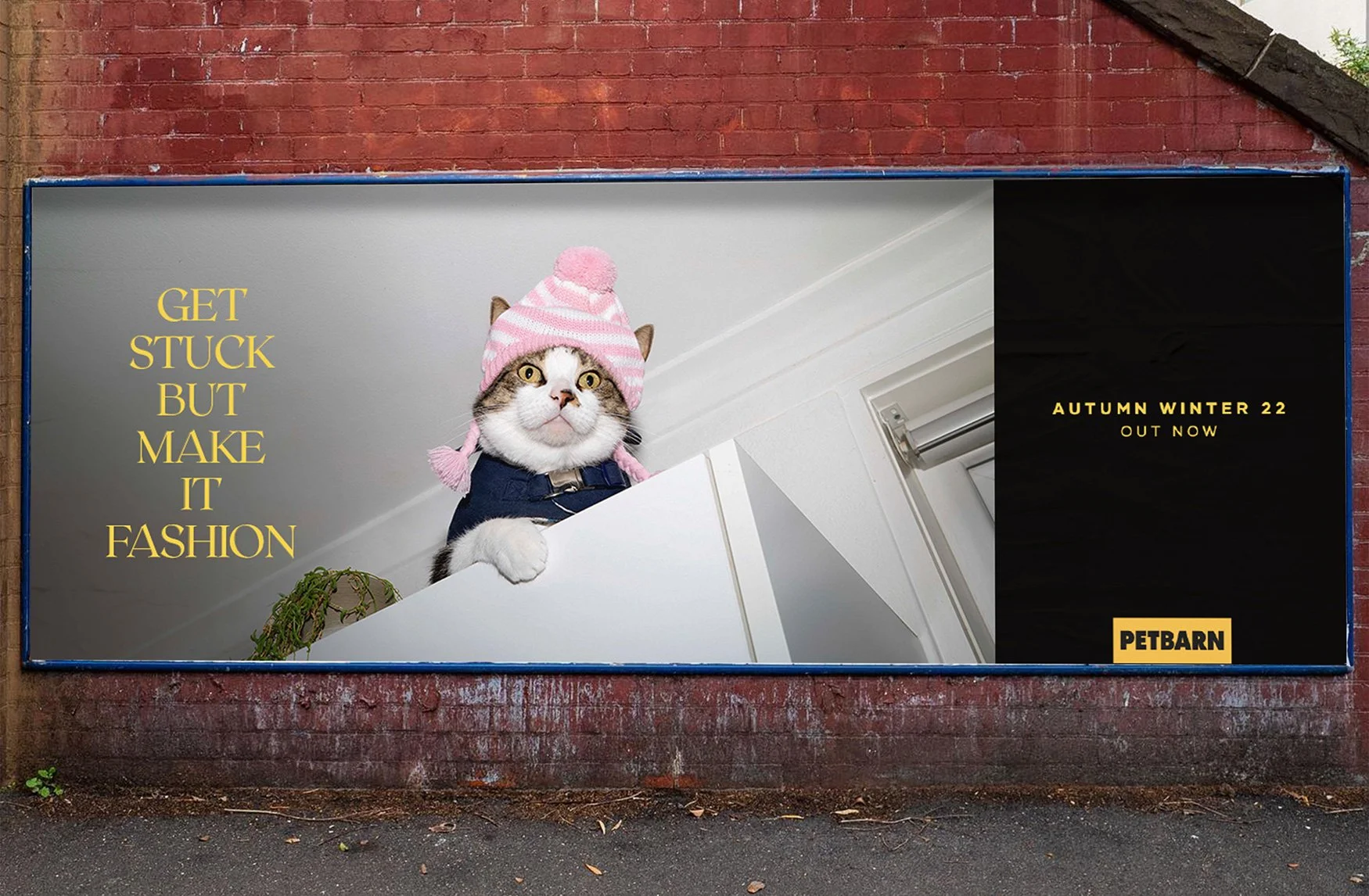
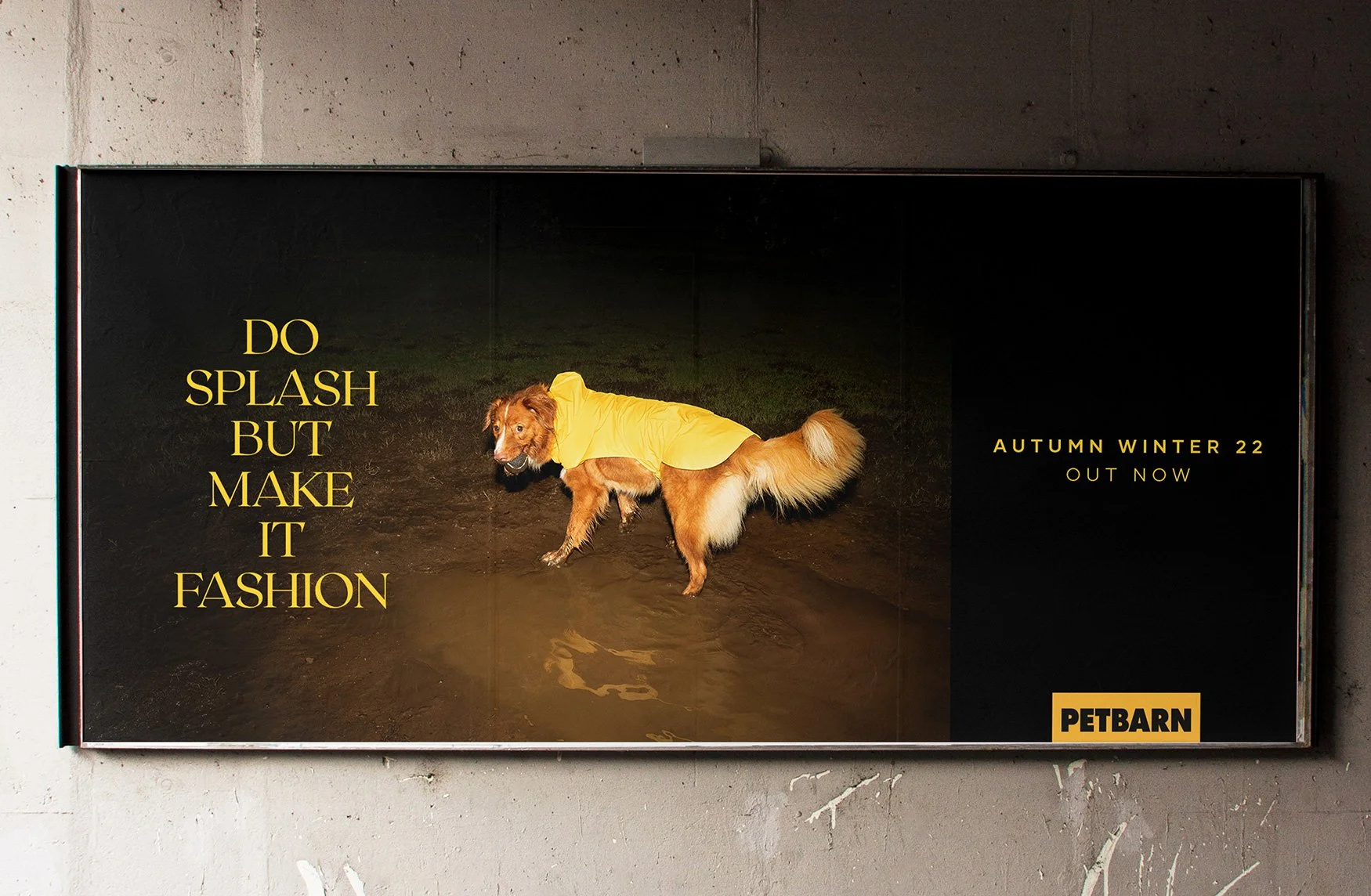
The social media landscape has transformed dramatically since you started on Instagram all the way back in 2012. It's now oversaturated and increasingly difficult for both creatives and brands to stop the scroll and genuinely connect. Based on what you’ve observed and experienced, what strategies would you recommend for breaking through and building meaningful engagement rather than just performing for the algorithm?
My rule is simple: if you aren’t having fun, your audience won’t either. You have to be platform-literate, like ensuring you have a strong hook in the first three seconds of a Reel, but you must remain yourself. Audiences can smell inauthenticity from a mile away.
Your photography has always focused on capturing genuine moments rather than chasing viral trends or Instagram-famous hotspots. How does this philosophy translate when you’re working on commercial projects where there are client objectives and brand requirements?
It’s ironic that the “hidden gems” we shot ten years ago are the oversaturated hotspots of today. I think that, regardless of your specialty, your job as a creative is to be unexpected. You have to stay on top of the trends so you know how to shine through them, rather than just following them.
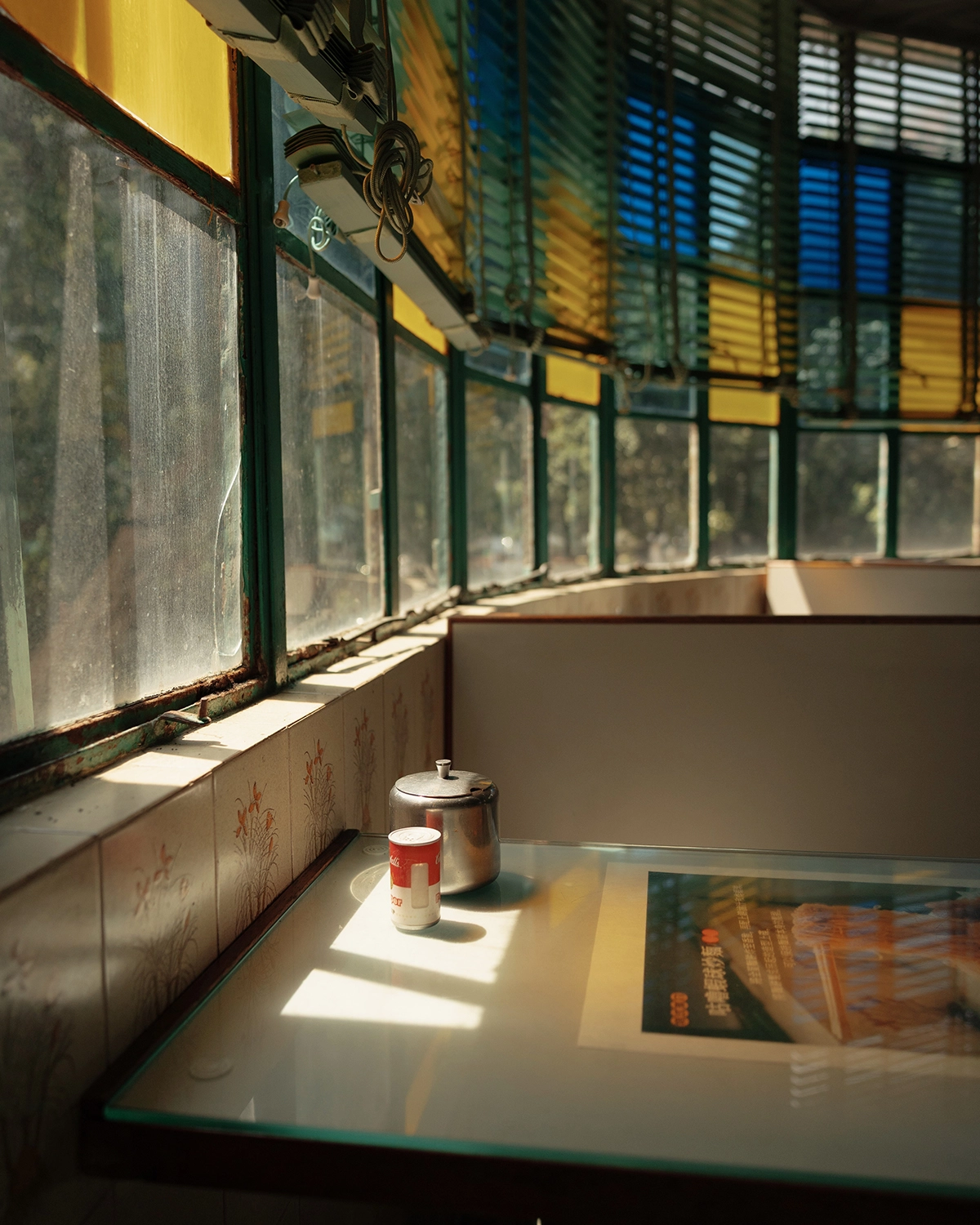
Where are you hoping to explore next and what stories are you looking to tell?
Morocco is high on the bucket list, and South America is the only continent I haven’t visited yet. Lately, I’ve found myself less interested in the “epic” wide shots and more drawn to the quiet, “in-between” moments. Maybe that just comes with age…