MaggZ
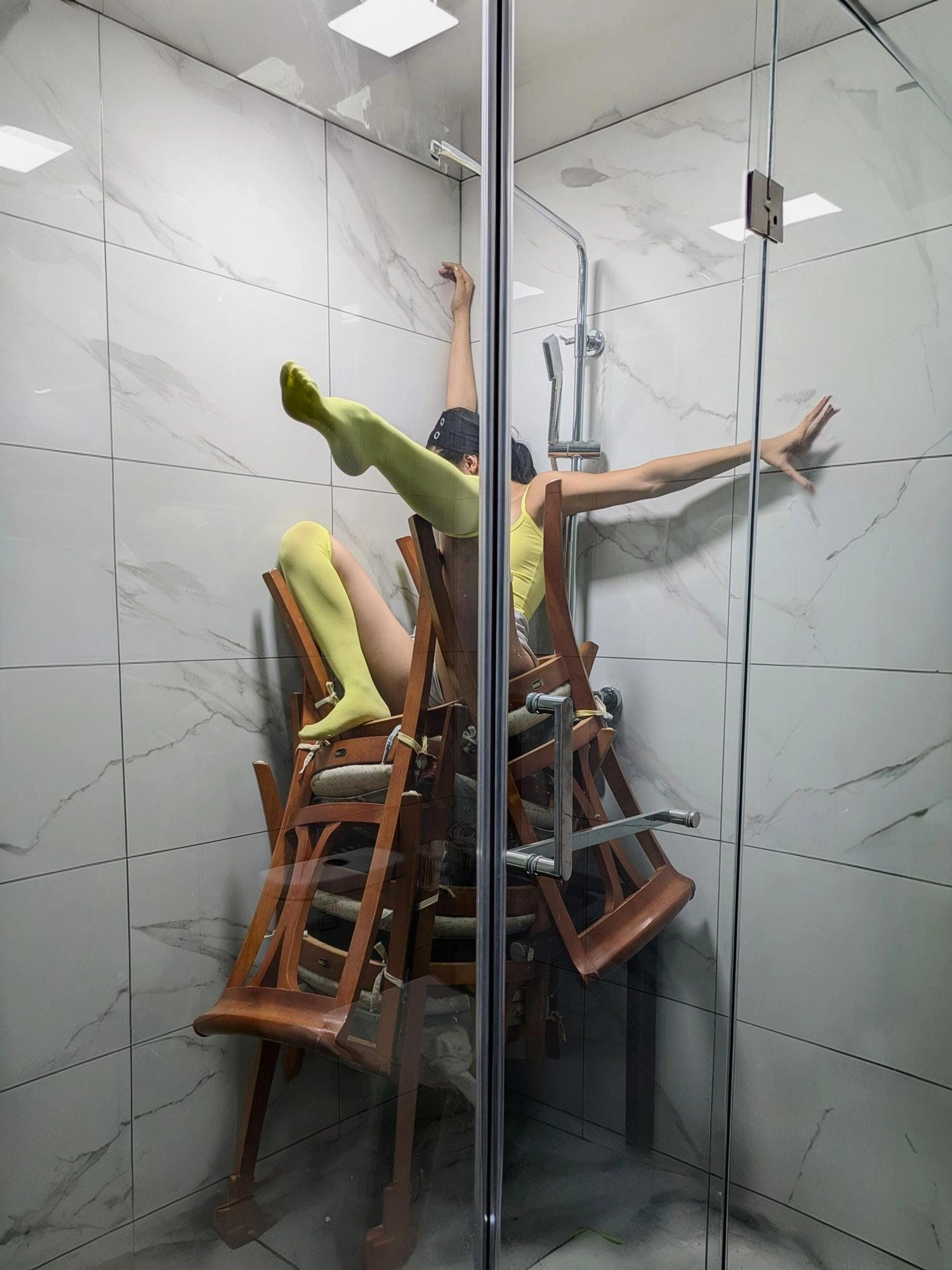
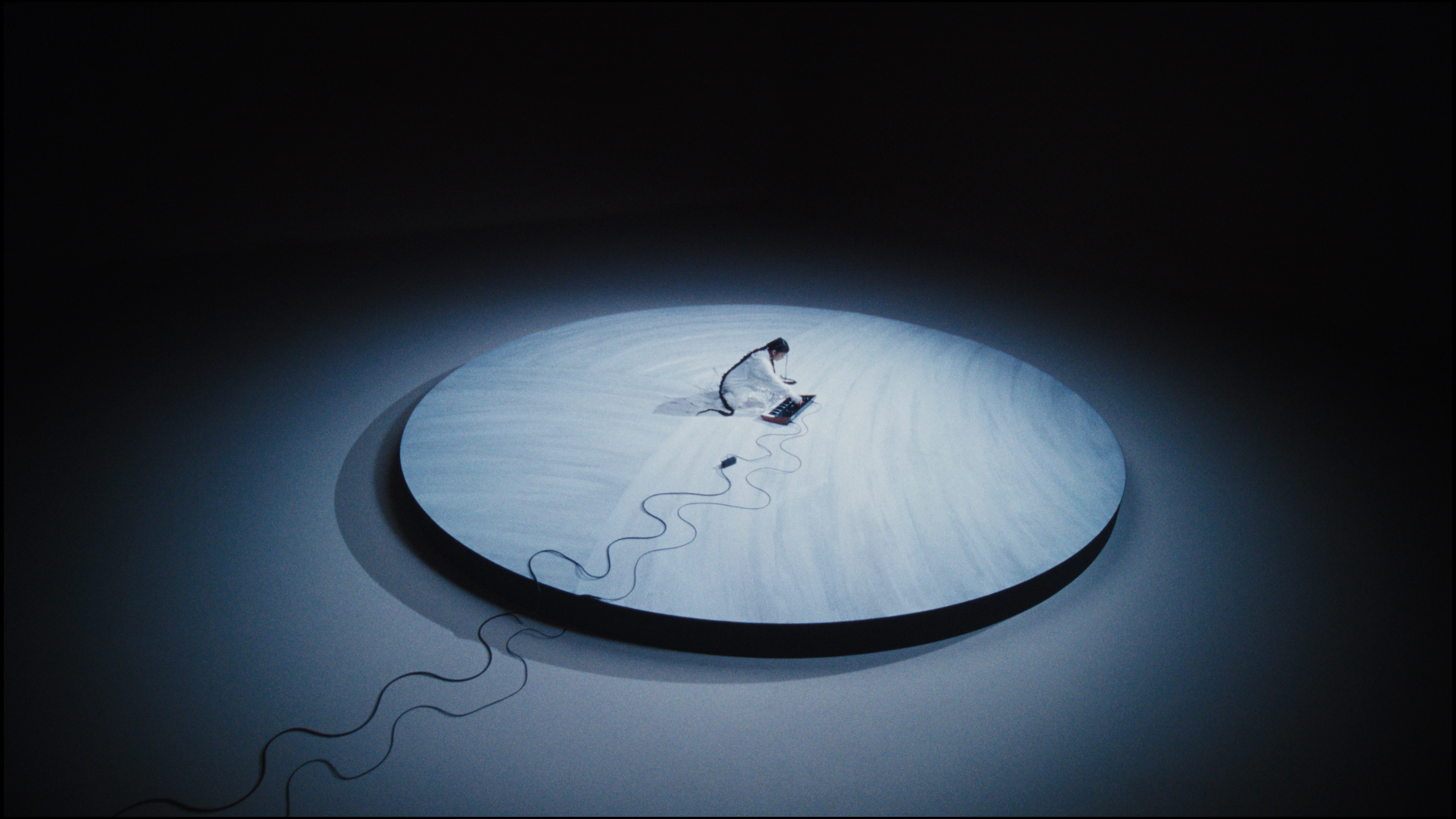
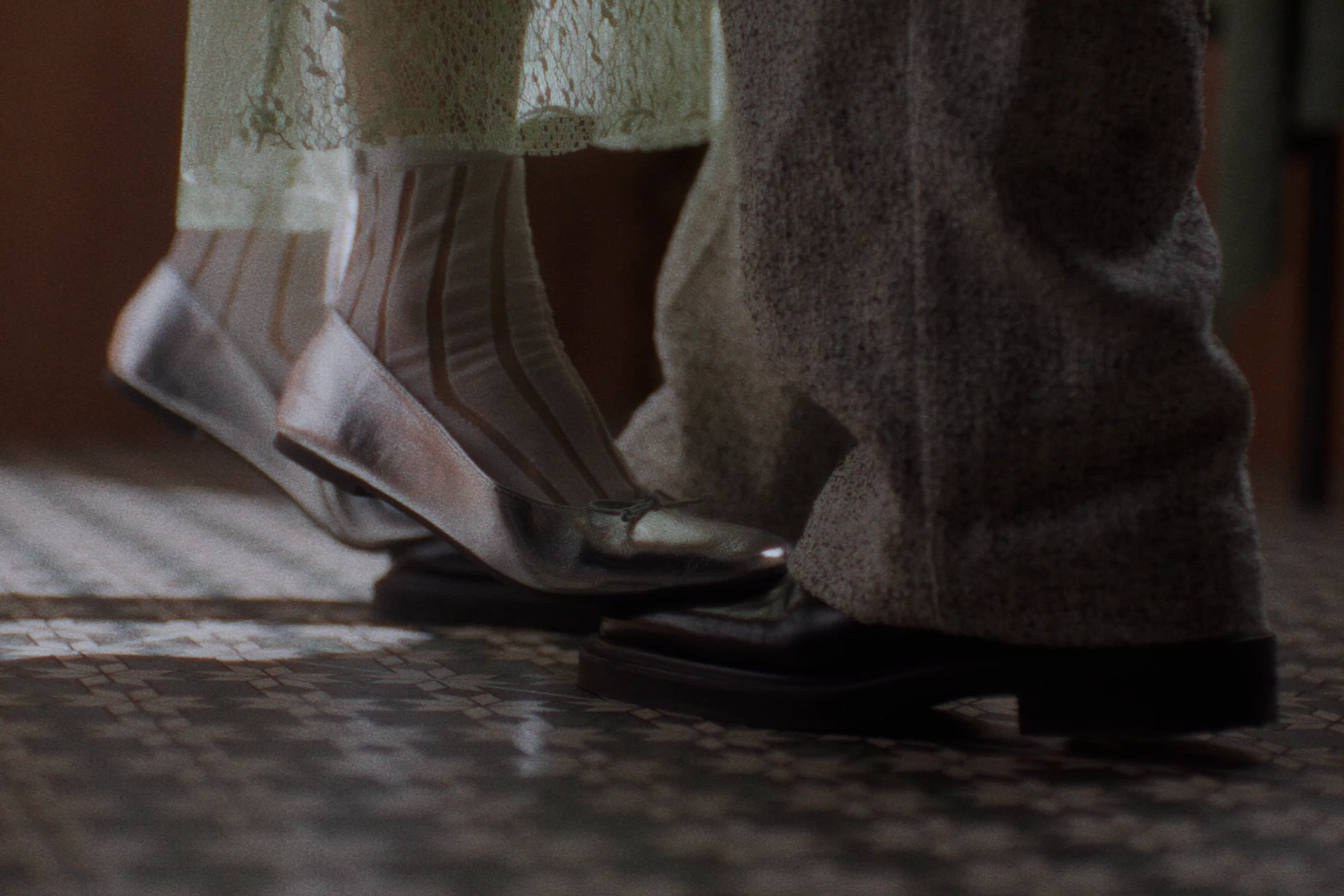
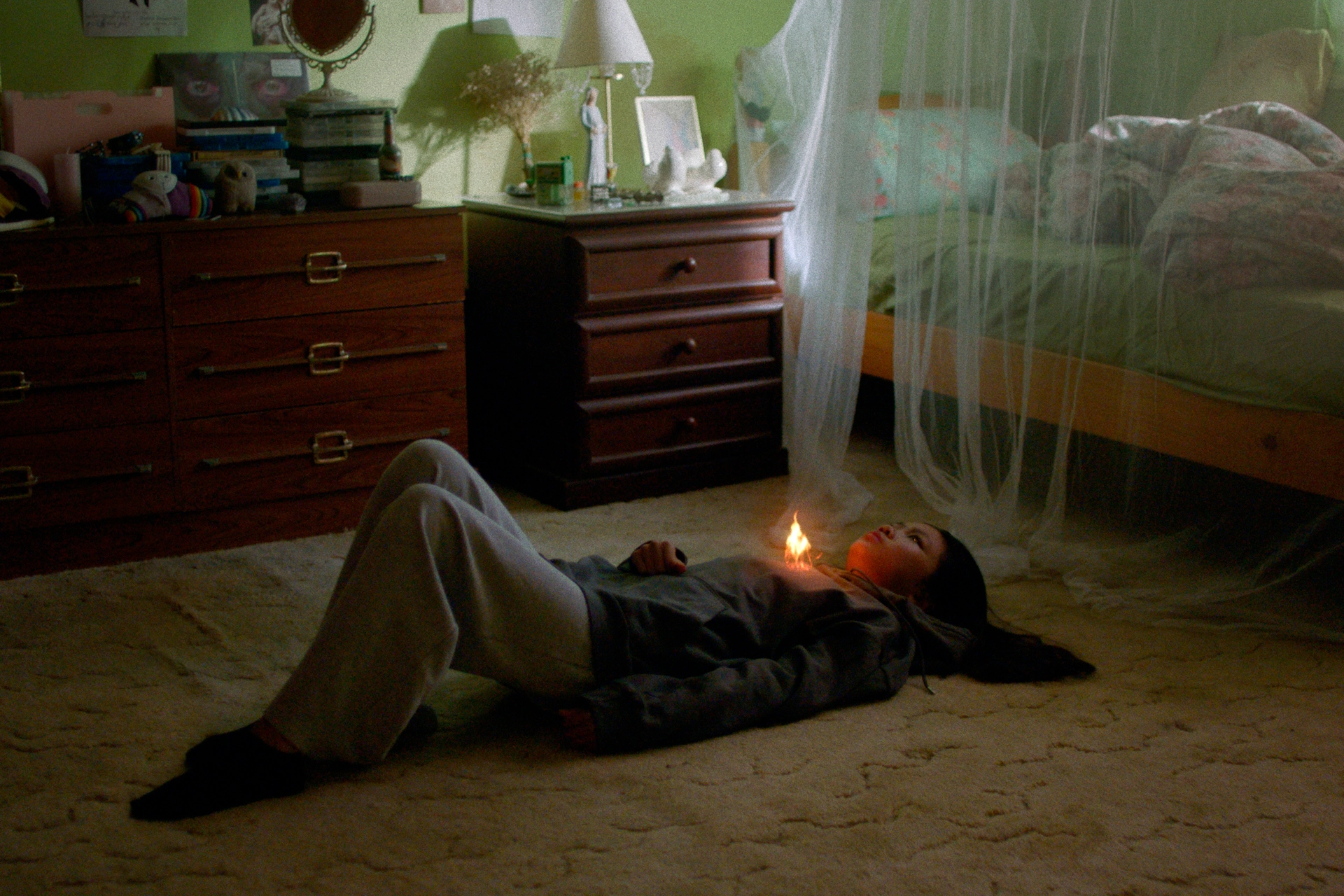
MaggZ is a director, choreographer, movement director, and performer based between Melbourne/Naarm and Sydney/Gadigal, creating across editorial, music videos, live and experiential projects. Heart-led and vision-driven, her work centres on the body, movement, and multisensory storytelling with authenticity and intention. In this conversation, MaggZ delves into her creative process as a director, the importance of community, the joy she finds in watching collaborators flourish in their bodies, the difference that movement direction can make, and the magic of live performance.
You’ve built a multifaceted creative career across street dance, performance, editorial work, residencies, self-initiated projects, and community platforms. How have you gone about shaping a practice that feels independent, community-led, and true to you? Has that taken a lot of conscious, mindful decision-making over time, or has it come more through exploring, evolving, and gradually finding what feels most aligned?
I believe it's a combination of both – the approaches I take for my practice and life in general are always guided by where my heart takes me first. Then, I investigate my intentions more introspectively and consider what actions I can take that are aligned with both my intention and what my heart desires.
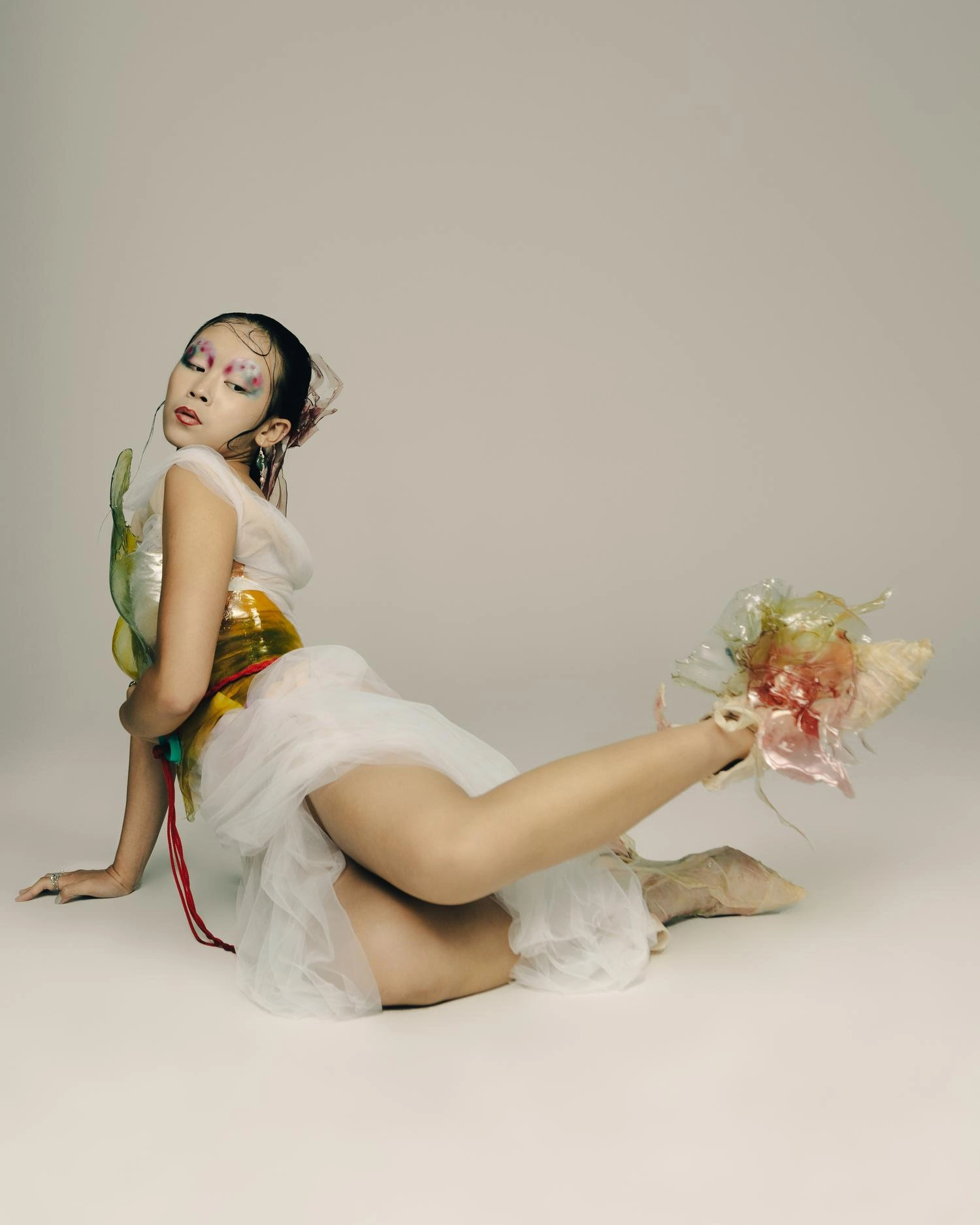
And more specifically, how do you navigate the balance between grants and funded projects, self-initiated projects, community offerings, and commercial work? What helps you keep that mix sustainable and aligned with the kind of practice you want to build?
I used to be a lot more reliant on grants and funded projects when I was working as a producer for arts organisations at earlier stages of my career, so I’m definitely very familiar with the behind-the-scenes of the arts sector, as well as the bureaucratic hurdles that no one seems to talk about or address. I’ve decided to step away from those spaces when they become misaligned with my energy and who I am. I know who I am and what I can offer, just as much as I believe that capital isn’t the only currency in our lives, and that we can all take care of one another better by investing in our community with time, energy, and attention, which are the most precious currencies we can offer.
So to answer your question, I still say yes to or apply for funded projects when they are aligned with who I am and where I am in my career. But for the rest of the work, I go back to where my heart takes me: the urge to create, and it has to be pure. When I follow my urge to create purely and with devotion, everything else always falls into place, because I’m no longer trading my energy and time for money.
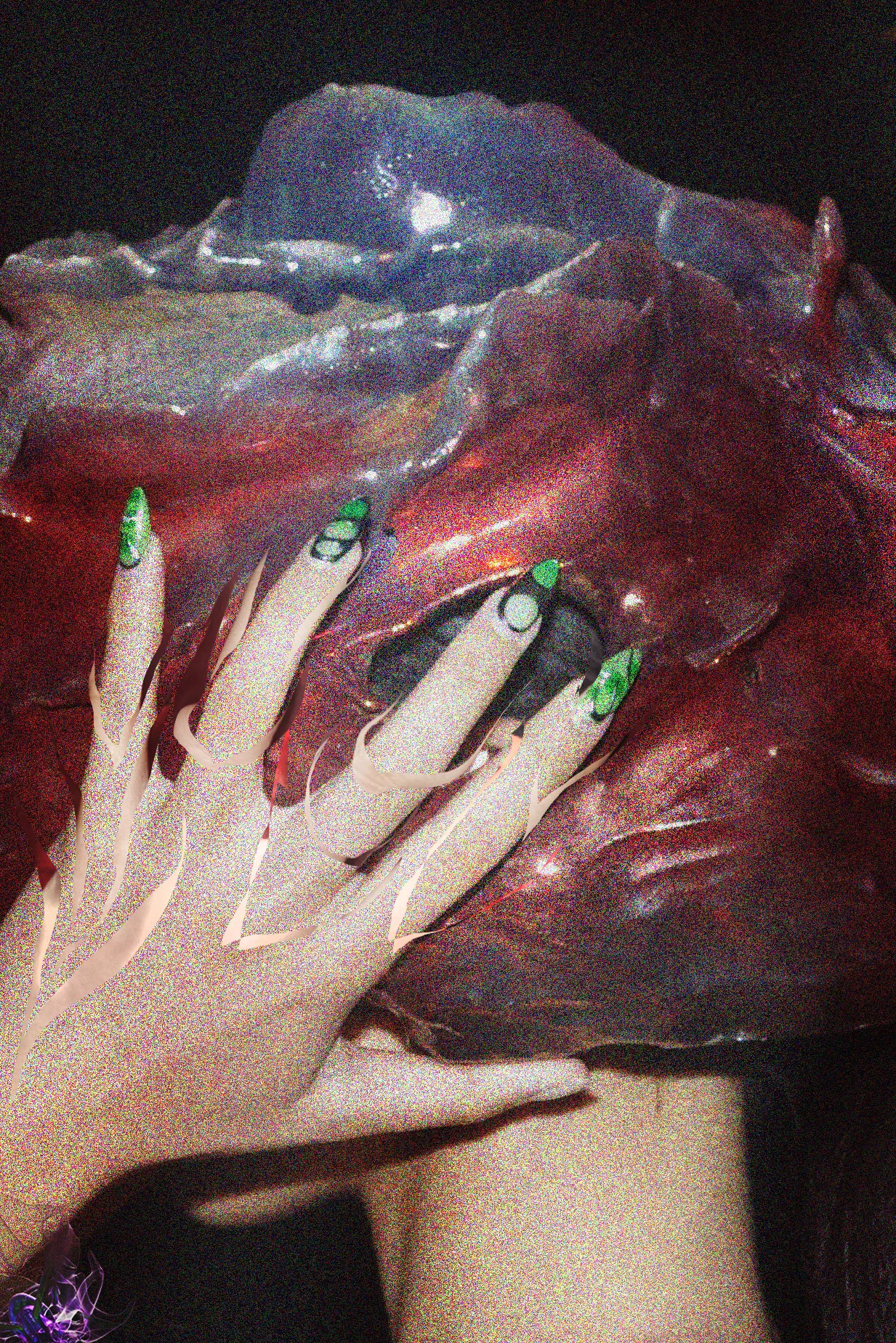
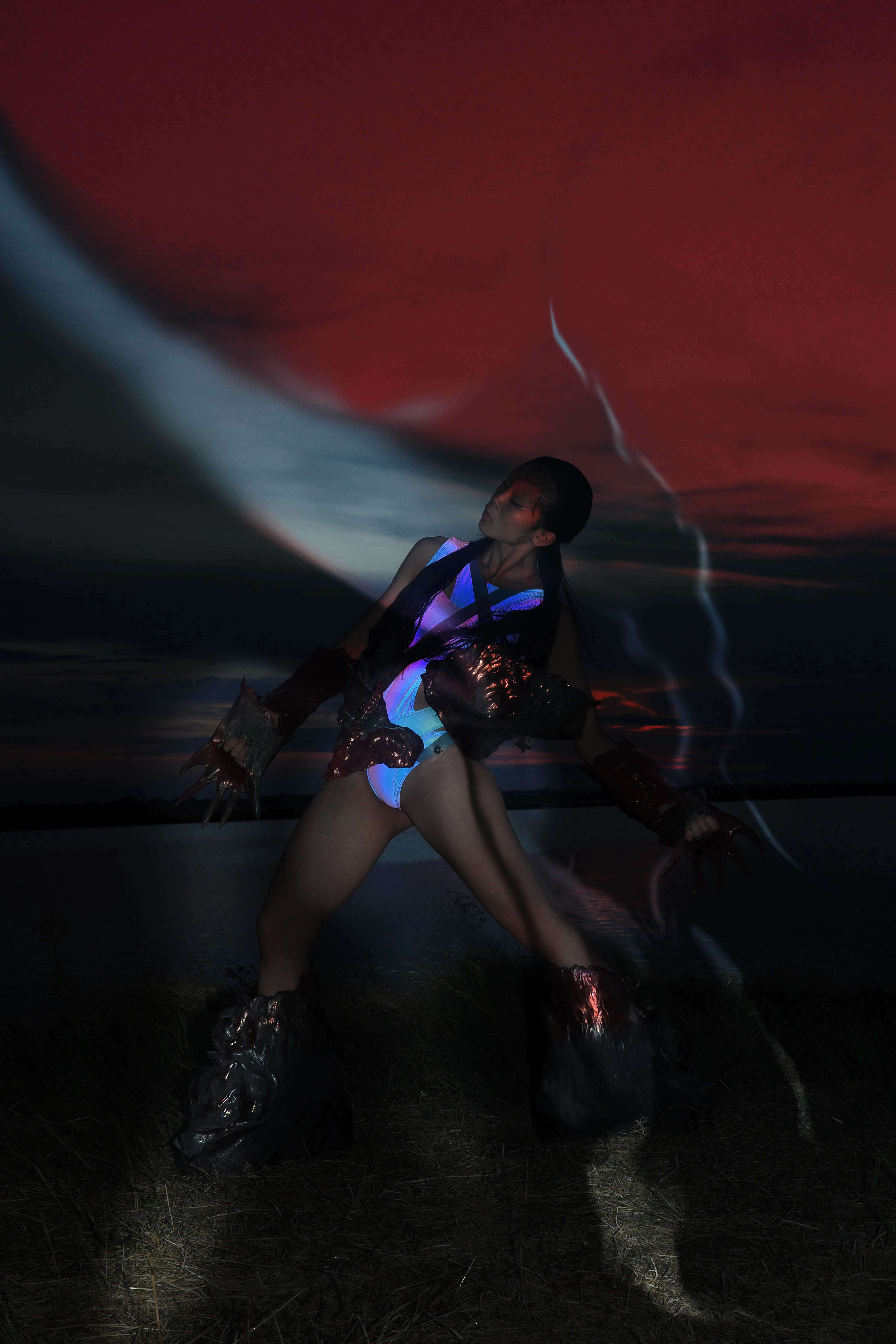
Your projects often bring together street dance, installation, sound, technology, and intricate world-building in a very memorable way. What do you enjoy about reinventing and blending elements from different genres and subcultures? And how do you harness technology in a way that supports the art rather than replacing or overtaking it?
To be honest, I don’t think too much about “blending” elements or genres in my work. My creative process starts very freely. Often, I start visualising something in my mind, or may I say, the visions come to me. I then start to focus logistically on how to make these visions come to life. I think logistically, each project is very different depending on the vision, but most commonly, I’ll start by asking myself the 5W + H – the what, when, where, who, why, and how of a project – and start answering those questions for myself.

Technology was more of a curiosity for me, but these days, I don’t force technology into my practice. If the project calls for it, then sure. Otherwise, I don’t see technology as a necessity in my projects.
How do you approach collaboration with other creatives throughout your process?
I love collaboration! Again, each project calls for a different scope of collaboration. I’d say with my projects, I’m mostly in the director role these days, so collaboration unfolds more around the scope of skill sets: what skill sets do I require for the project, and who is the best person to do that? I also love to work with an infrastructure or an overall direction for my projects, and I think the key is to be quite clear with the infrastructure early on. Once the infrastructure is clear, I normally encourage a lot of freedom and experimentation within that infrastructure from my collaborators. I do believe that placing strategic constraints tends to expand our creativity.
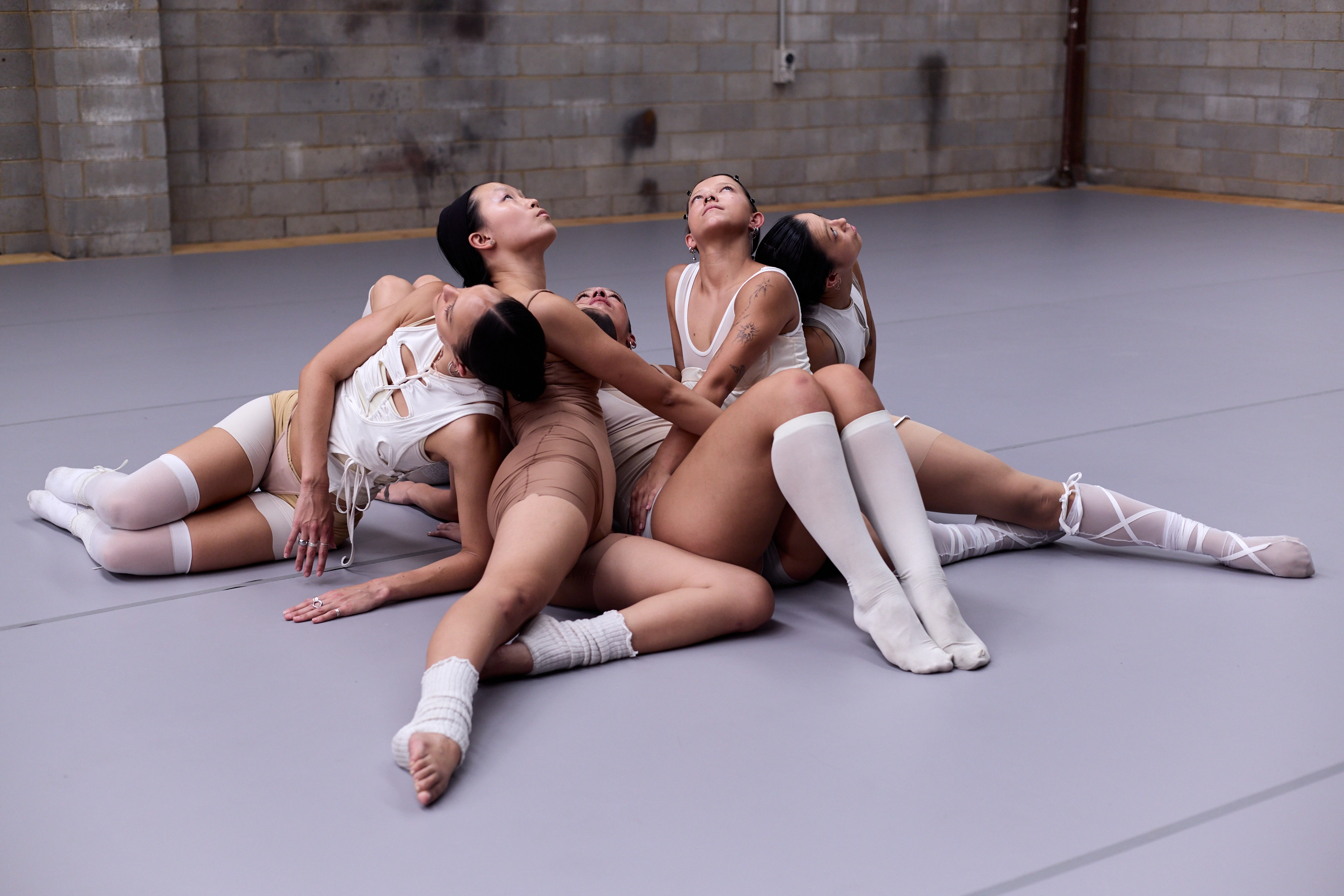
While you’re based in Australia, your practice has taken you around the world, including across Asia, Europe, North America, South America. How does moving between different places and creative communities inform the way you connect with people, exchange ideas, and collaborate across cultures?
I love travelling. It keeps me stimulated and humbled, and new information always gives me inspiration for my art and life.
Your Miao minority heritage and your experience of living between cultures in China and Australia bring a nuanced perspective to the work you create and direct. How has that lived experience shaped the point of view you bring to your work?
Where I come from: my land, my people, my culture, the matriarchs in my family, will always be the infrastructural pillar of who I am and how I relate to the world.
Earlier on in my career, my creative practice was definitely used as a therapeutic healing tool to figure out culturally where I sit and how I navigate being part of a diaspora. But right now, I don’t think about being a minority Chinese person every time I am creating. I feel assured and safe in my practice, knowing that everything I create purely from my heart is representative of me as a person, without any socio-political or societal labels. I am who I am today because of my experience, and my work speaks for itself.
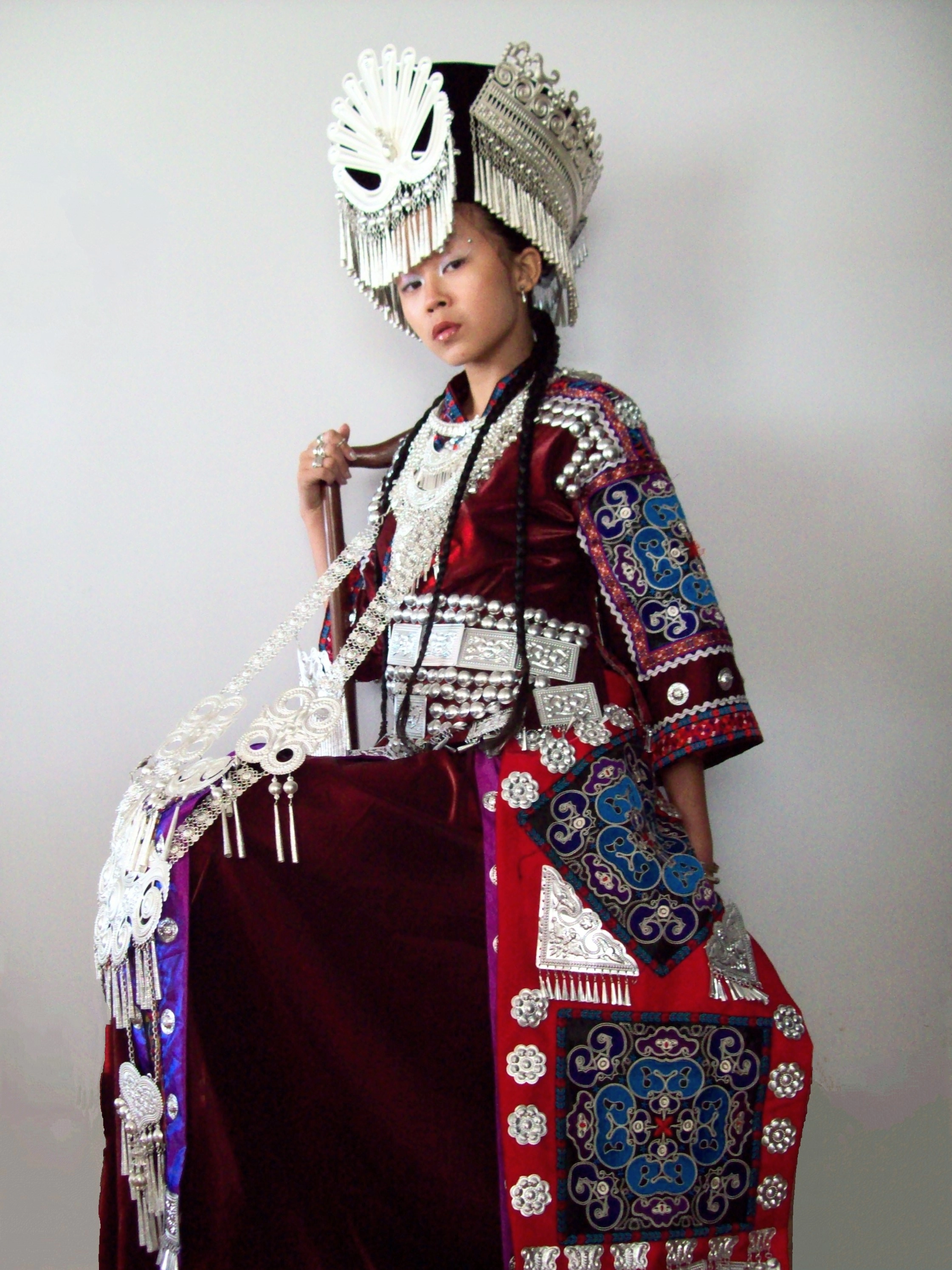
As a director, what draws you to live performance and experiential projects in particular? What excites you about creating something that people actively move through and help shape in real time?
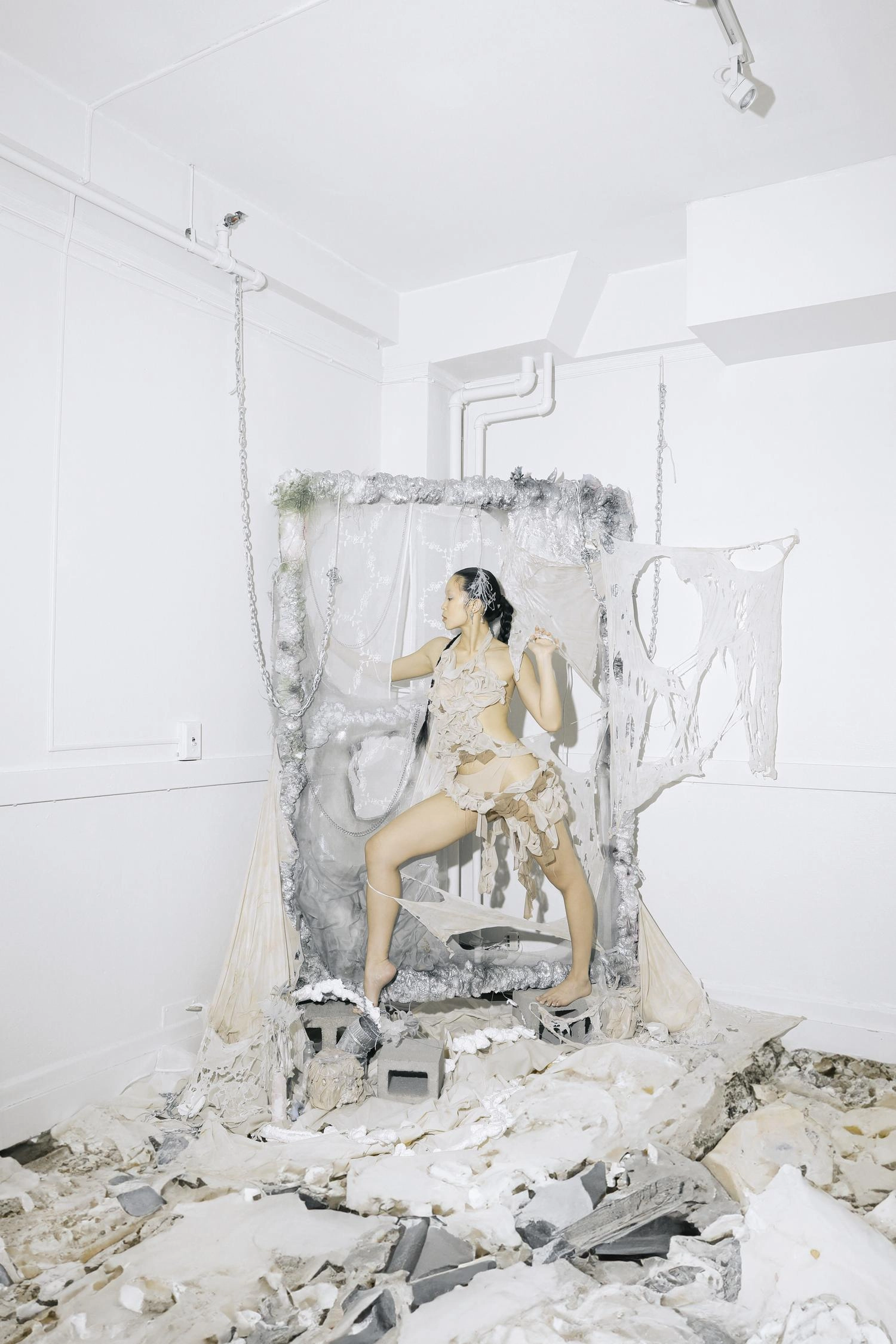
I have been a dancer all my life, and a performer for the past eight years, up to this present moment and into the foreseeable future. My body is my practice, sacredly. It feels very natural for me to start working with bodies as a director.
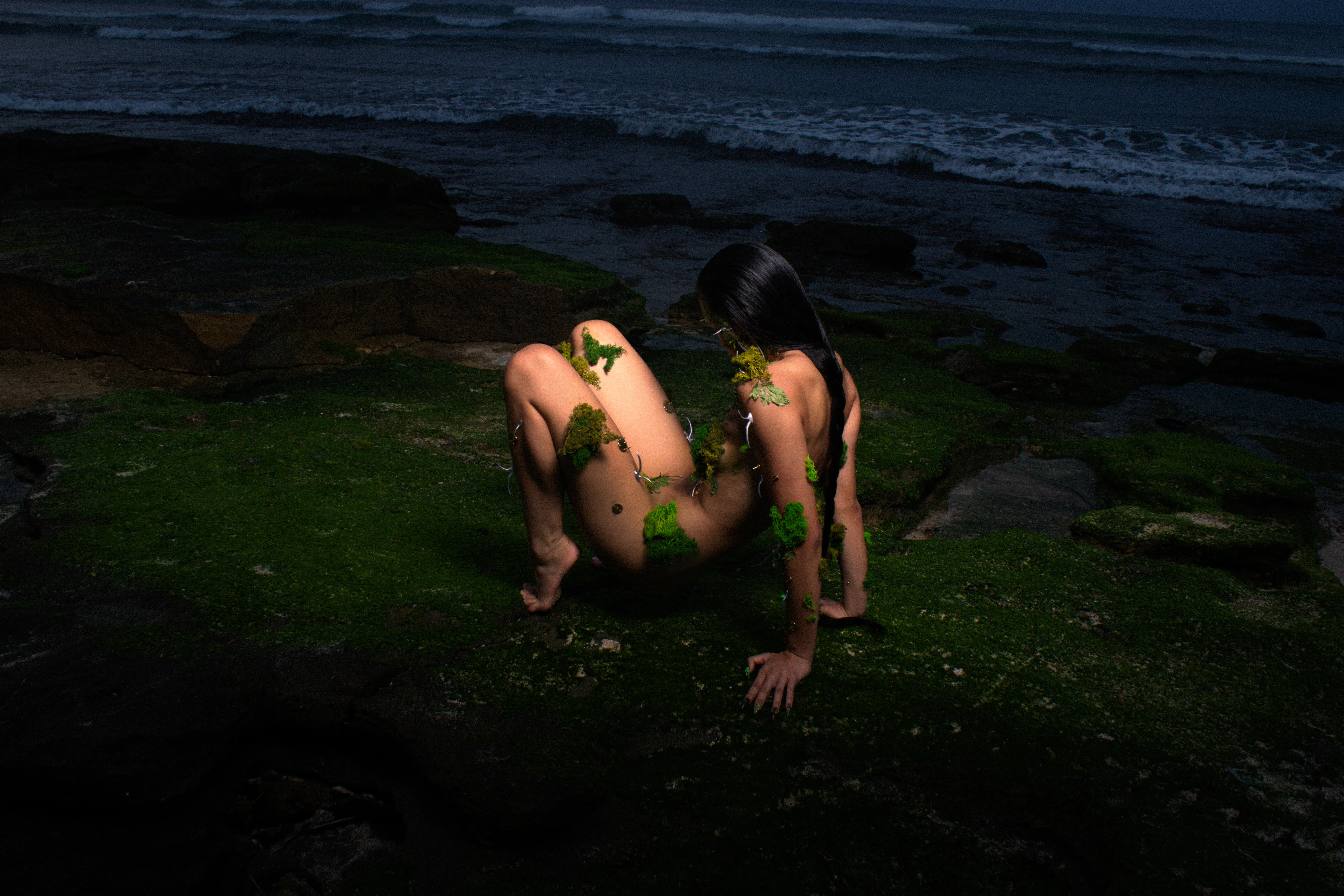
How do you adapt your creative process and approach depending on whether the audience is physically present with you, or whether the work will be experienced later through image, film, or the small screen?
For in-person works, the audience plays an important role and makes the work complete. The work is as much about me sharing a part of myself as it is about how the audience receives it, with their own set of personal experiences and how they are feeling in the moment.
For digital works, I feel the work is more about what I wish to share, and viewers can interpret it in whatever ways they wish.
How do we keep contributing to culture and community in an era dominated by passive scrolling and the erosion of the “social” in social media?
By being alive. Go outside. Put your feet in the grass, hug a tree, move your body.
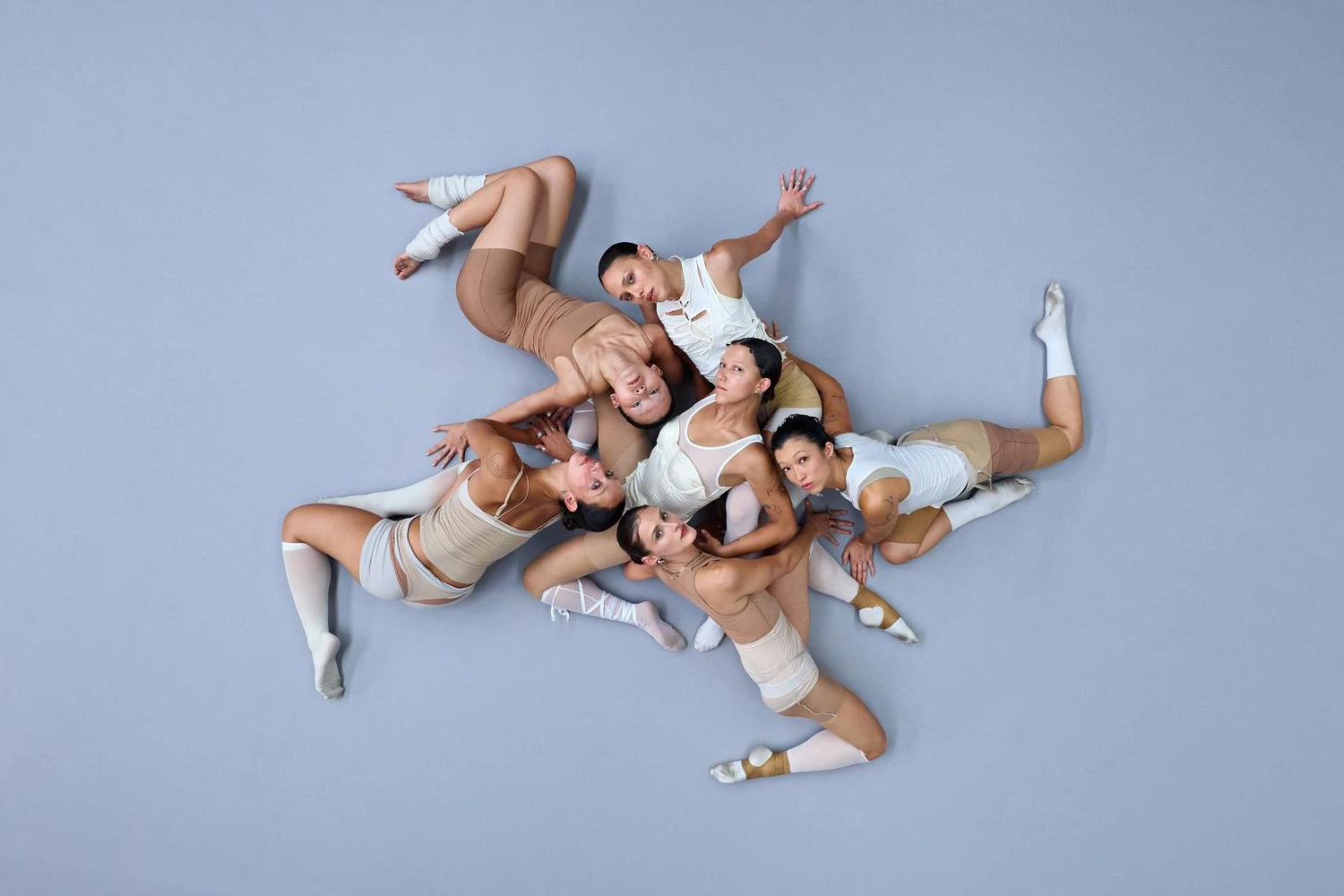
As a movement director, what interests you most about collaborating on editorial and music video projects? When movement direction is done well, what can it bring out in a performer or a piece?
I think movement direction really makes a project complete. Sometimes even the most nuanced and smallest things with movement can make a huge impact on how the project is translated on screen. As a movement director, it gives me joy to watch others feeling comfortable and flourishing in their bodies, and being able to support them throughout that process is a beautiful and insightful experience for me.
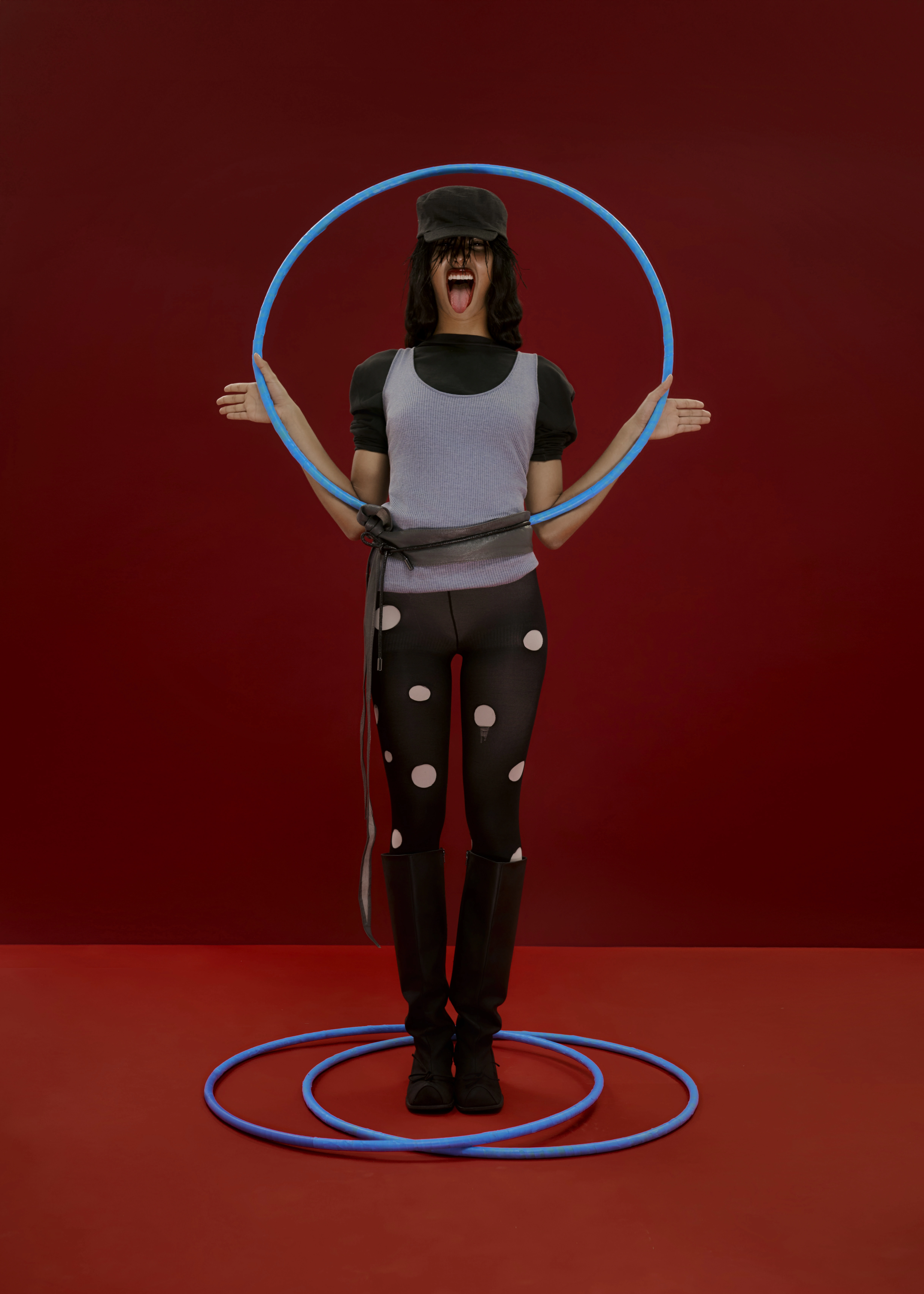
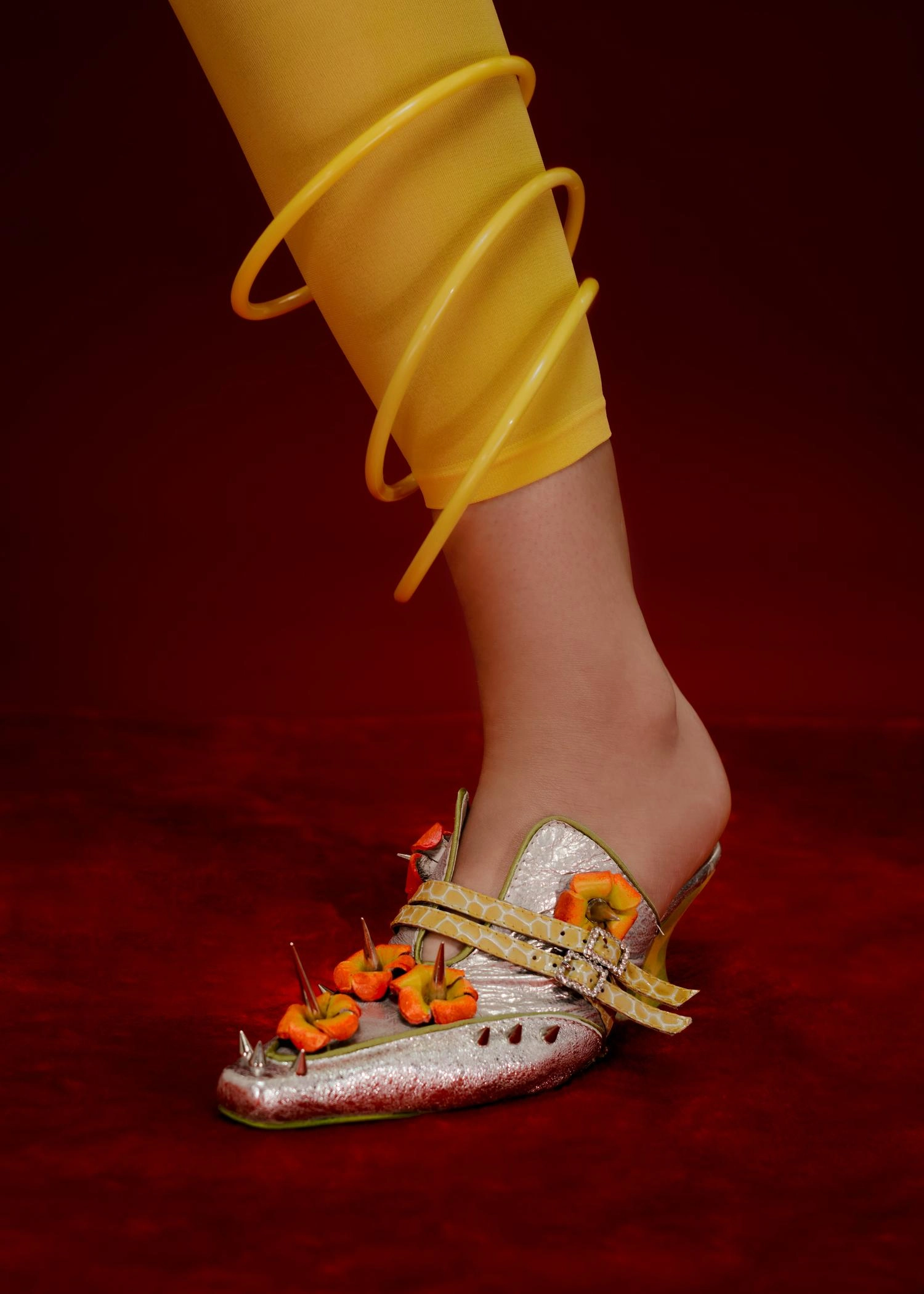
Movement direction seems more visible now, not only in dance and performance, but also in brand work and in helping public figures, executives, and business owners feel more confident and comfortable on camera. What do you think people are understanding more about the value of movement direction?
That most projects actually really need movement direction. The projects speak for themselves, and I think people really see the difference and the impact movement direction makes on projects, compared with not having movement direction.
How do you keep finding new ideas, growing your practice, and pushing beyond routines and comfort zones that can set in over time?
I will forever be a student, and learning gives me joy. As I continue to learn, I am naturally encountering new information that inspires and challenges me.
What keeps calling you back to making art, and what motivates you to keep going?
Creating is my purpose in this lifetime. There is no calling me back because I’ve never left, and to keep going down my path is the only way.