Pier Carthew
Pier Carthew is a photographer based in Melbourne/Naarm. Creating images across architecture, interiors, editorial, food, lifestyle, and still life, he brings a distinctive atmospheric sensibility to commercial and collaborative work. With an ethereal aesthetic shaped by light, intimate framing, and minimal compositions, Pier draws viewers into a world that leaves a lasting impression. In this conversation, Pier shares his creative process, from chasing outdoor light to the magic that unfolds when photographer and art director are in sync, and the thrill of briefs that push him into new territory.
You transitioned from acting to photography in your 30s and have built a thriving practice since then. For people who feel anxious about creative pivots or timelines, what was your experience of starting fresh? Any advice for someone considering a similar leap?
Jumping careers is never easy, and a creative pivot often involves some level of financial compromise. Fortunately for me, the prospect of becoming a photographer seemed more financially viable than performance work, which made the transition easier than if I had a solid day job. But I think it’s important to be prepared for some financial instability for a period of time. On a more positive note, I found that entering a new career in my early thirties gave me a whole new lease on life, and I found I was approaching it with a genuine enthusiasm that might have already burnt off if I had started at an earlier age.
Did your background in theatre and performance inform the way you approach photography? Or was it more about finding a completely different creative outlet?
I think the general experience of being in a creative environment was helpful, but I wouldn’t say there were any clear parallels. My first photography jobs were in the acting and performance world, so that did create a bridge for me to transition.
Your work has this distinctly ethereal quality to it. Can you walk us through how you create that atmosphere? Is it primarily achieved through lighting in the moment, or does much of the work happen in post-production?
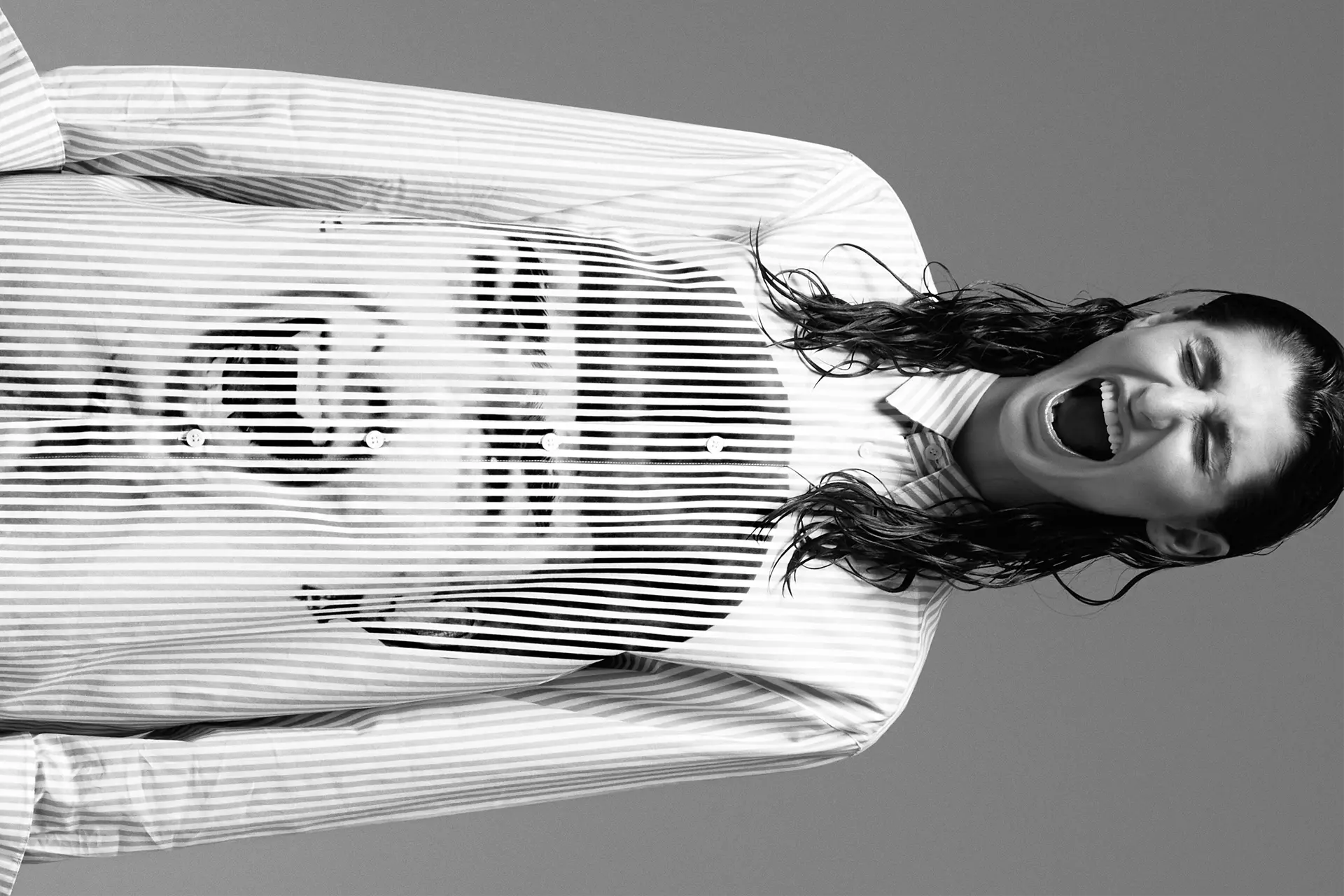
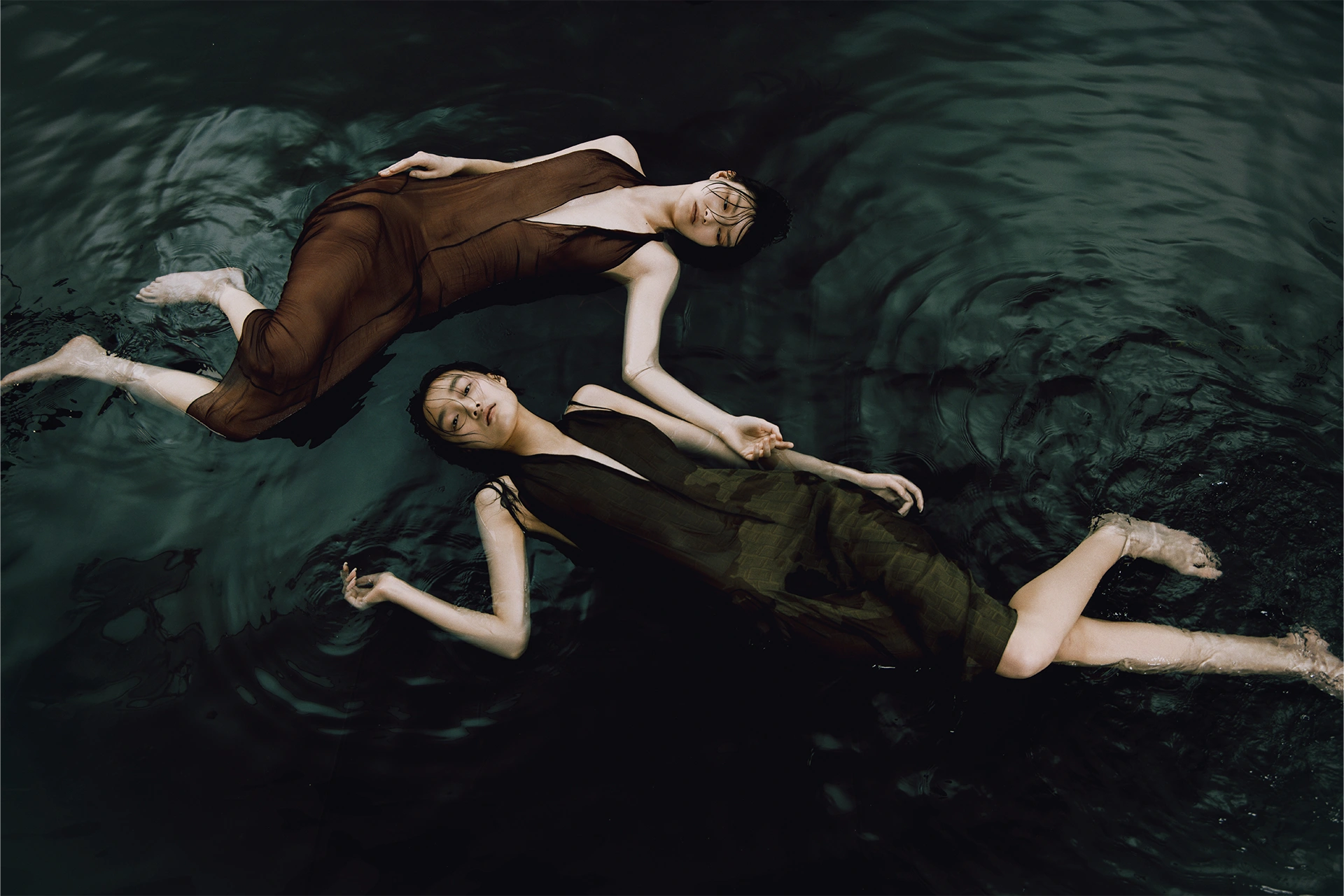
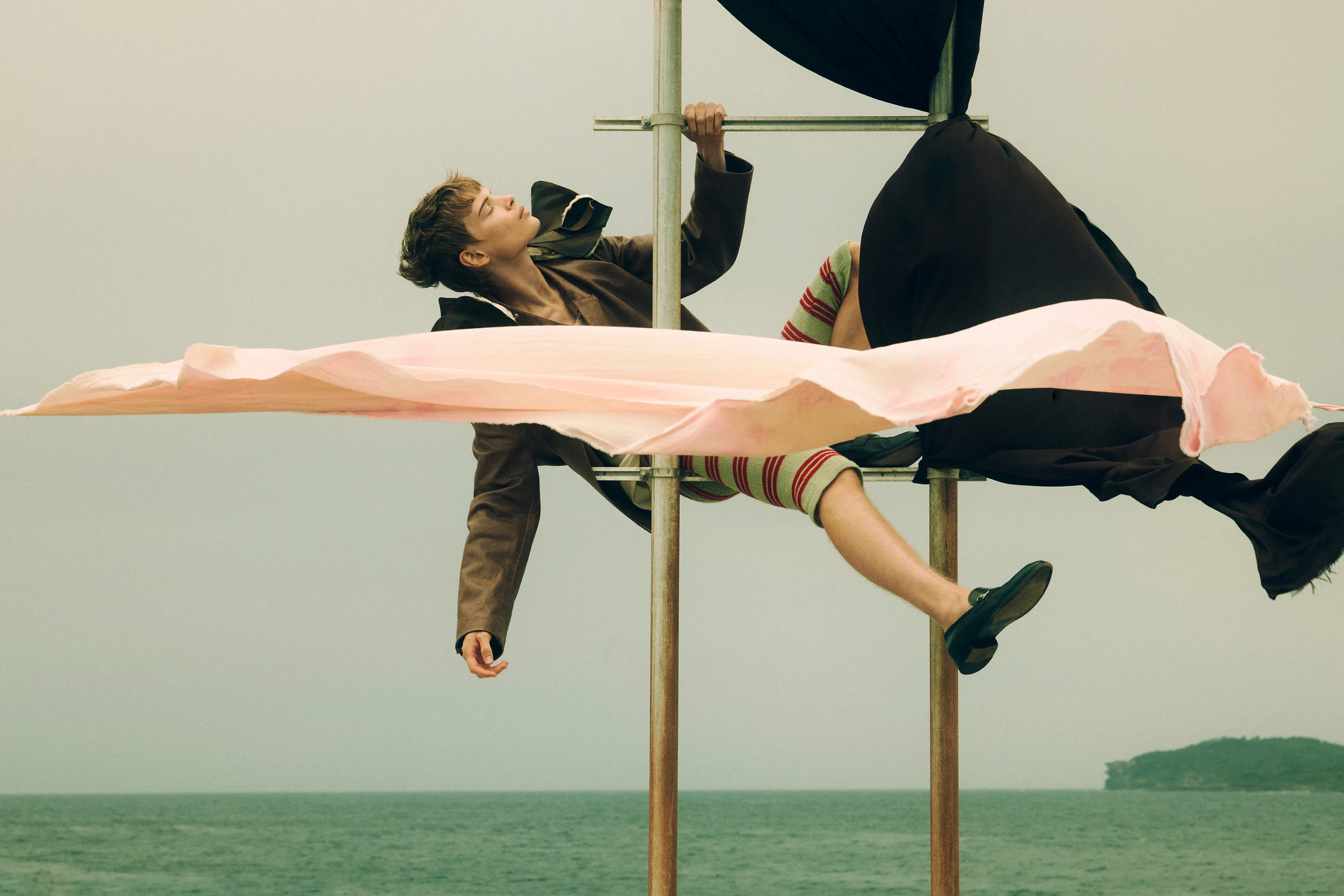
Both. I’m drawn to soft lighting and low-contrast images. When shooting in a studio, these conditions are manufactured and then reinforced in the grade. I also keep my compositions relatively minimal where possible, which adds to the ethereal effect.
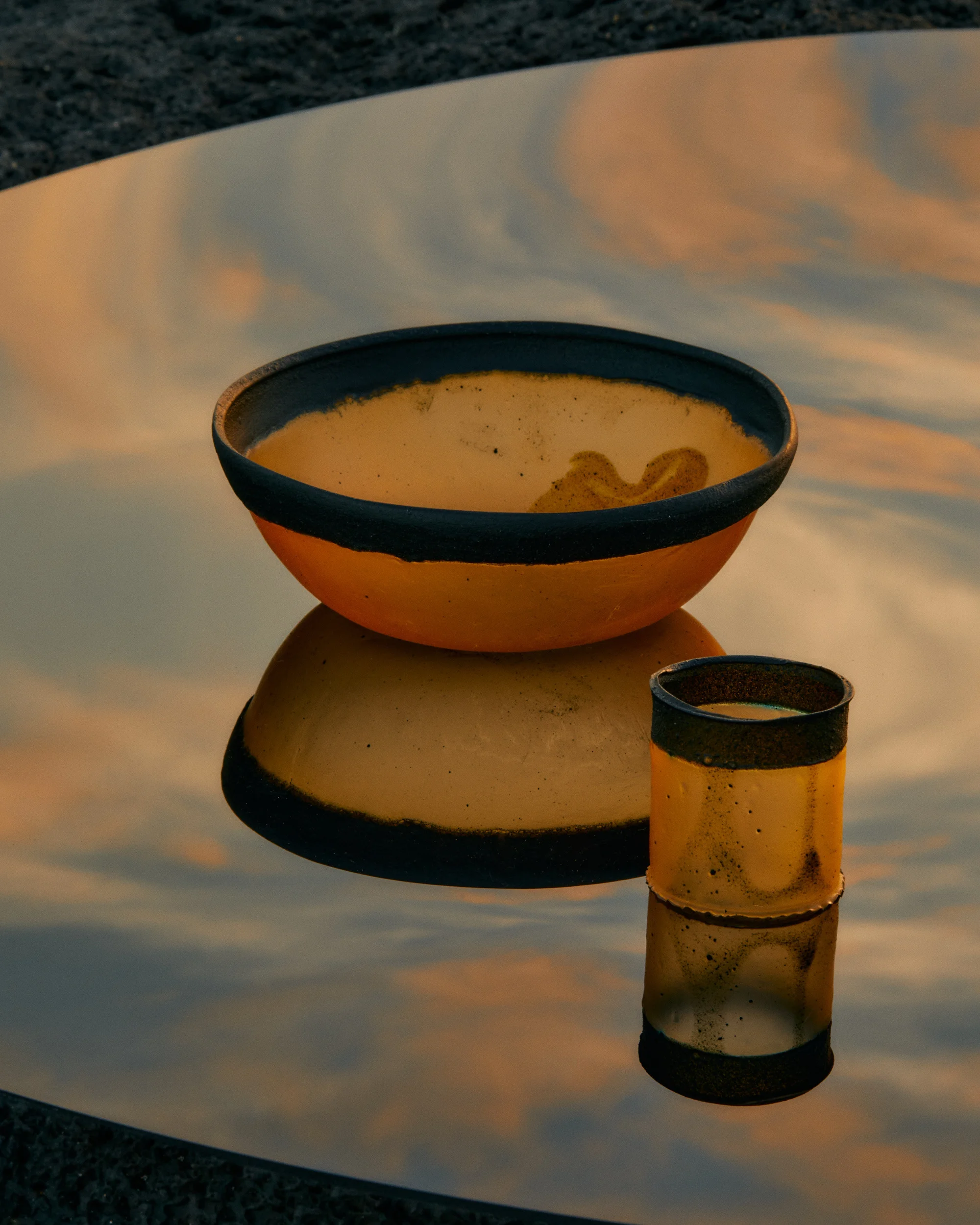
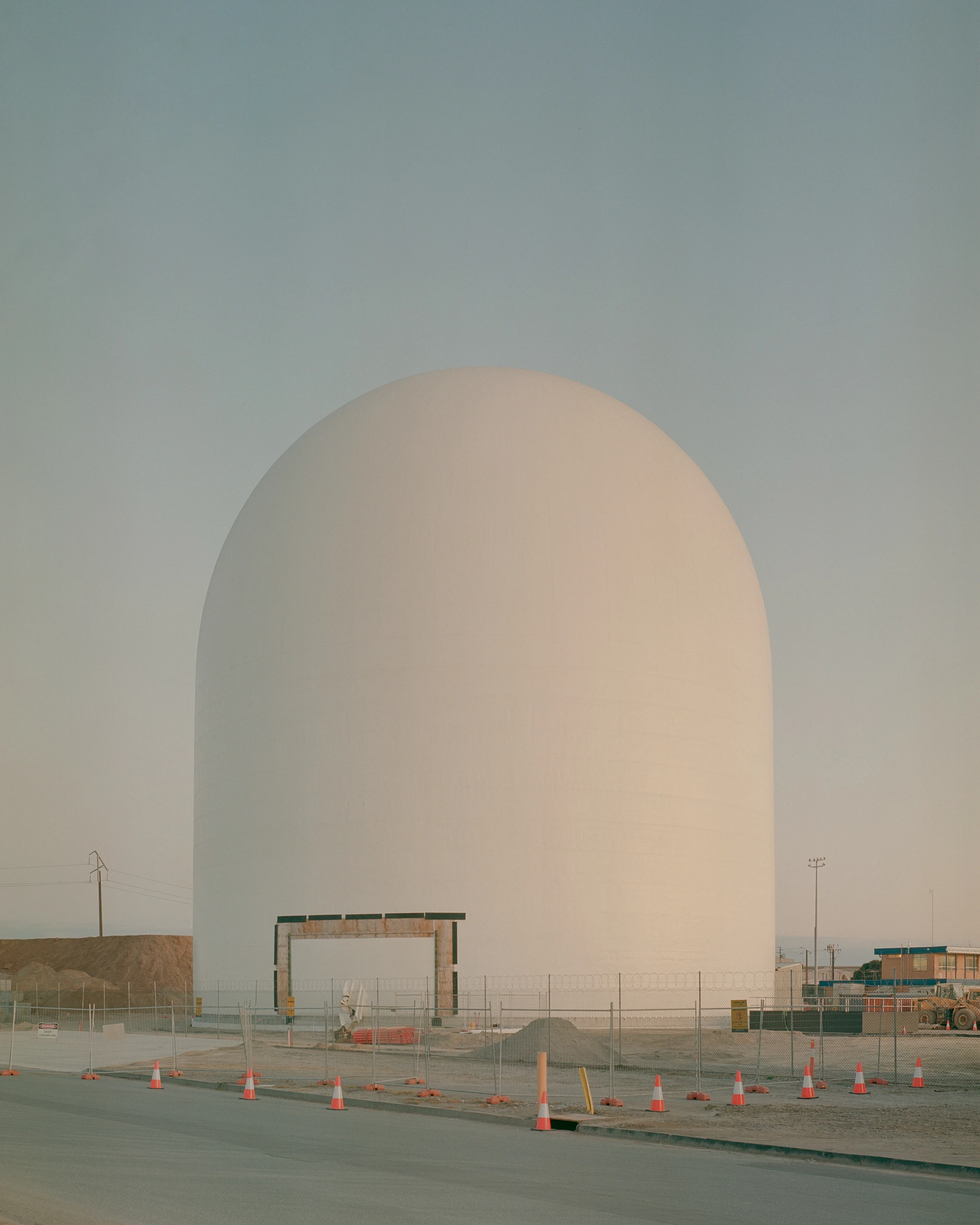
Shooting in specific, fleeting light conditions outdoors is quite an important aspect of your practice. What are the logistical challenges of working this way, and how do you manage them while meeting client timelines?
It’s always a balance. Sometimes it’s not possible to shoot everything in perfect weather conditions, so it might come down to a combination of selecting some key shots to capture at the right time and doing a lot of planning so I can move very quickly when it’s critical. When shooting outdoors, I’m often encouraging clients to adapt schedules to avoid the middle of the day.
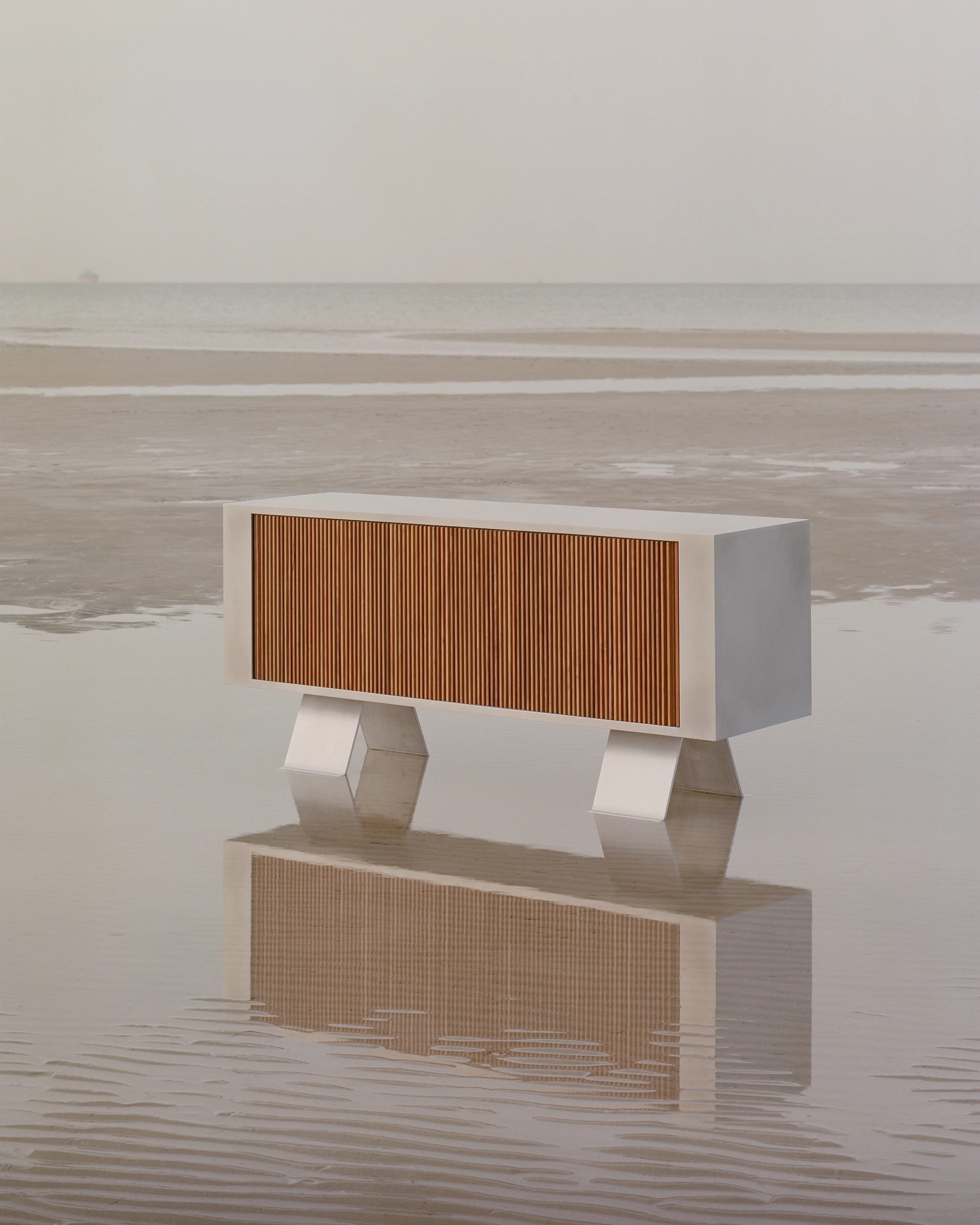
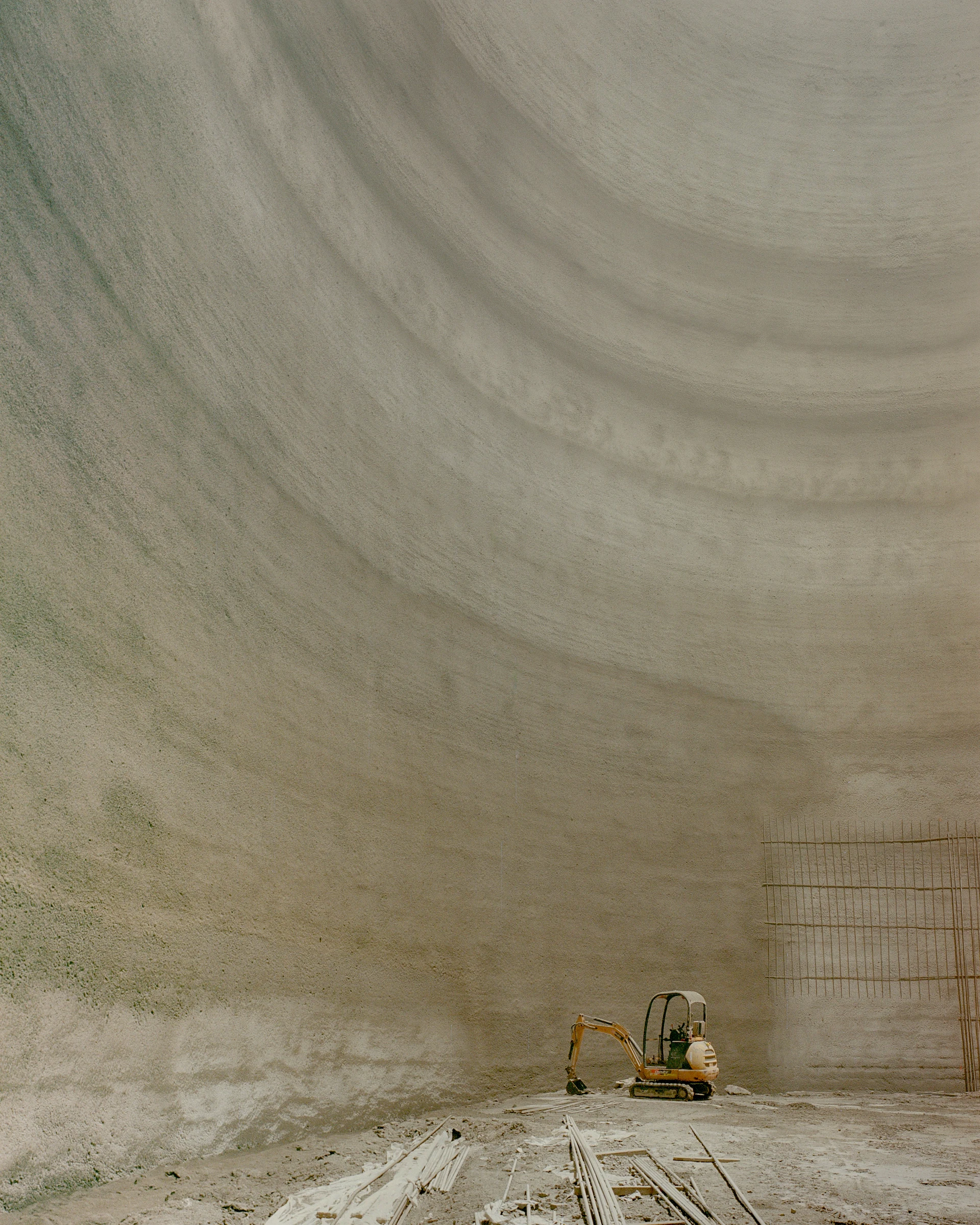
You’re drawn to intimate, tighter frames that suggest rather than show the full picture, focusing instead on objects and moments within a space. What are you looking for in that process of focus and reduction?
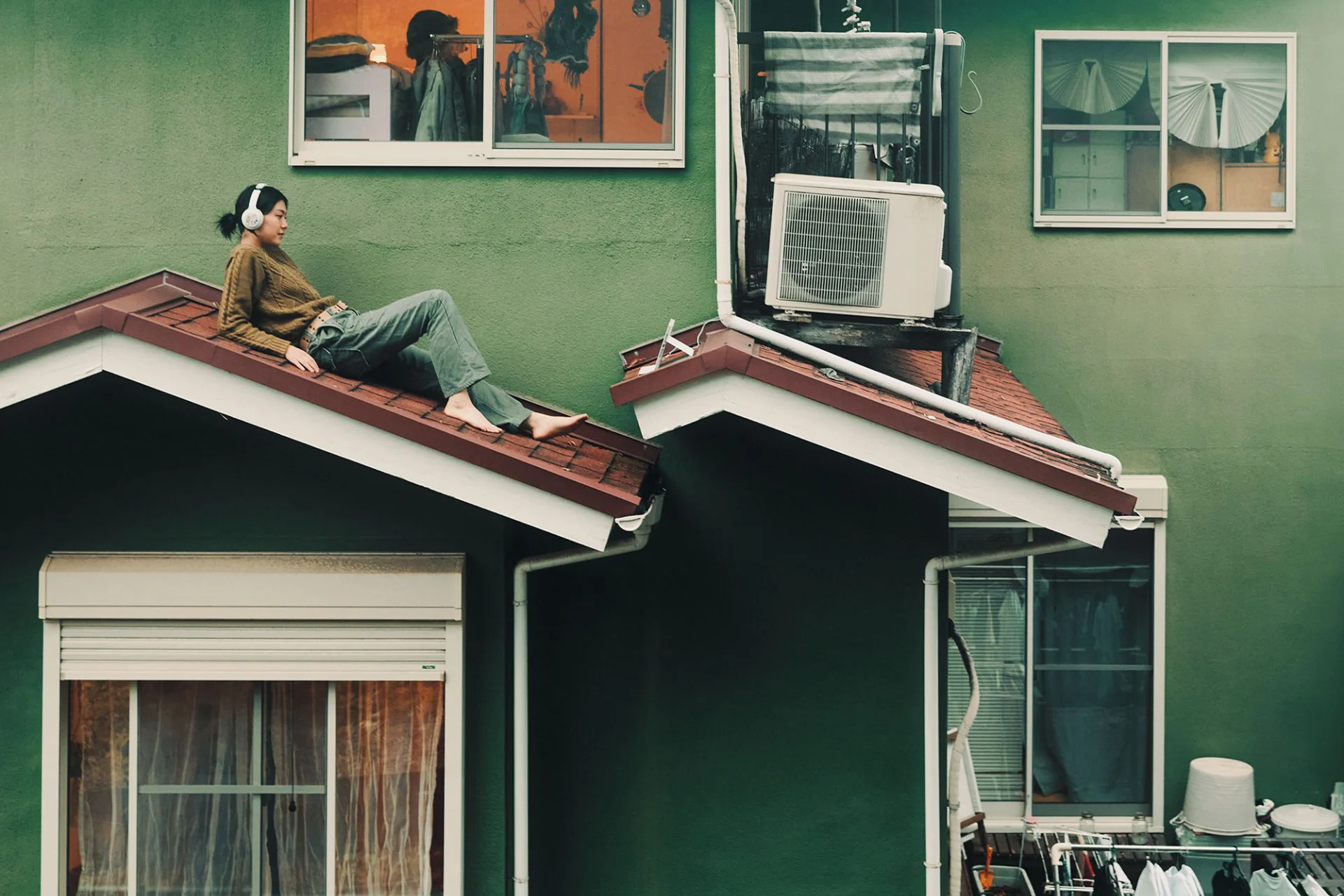
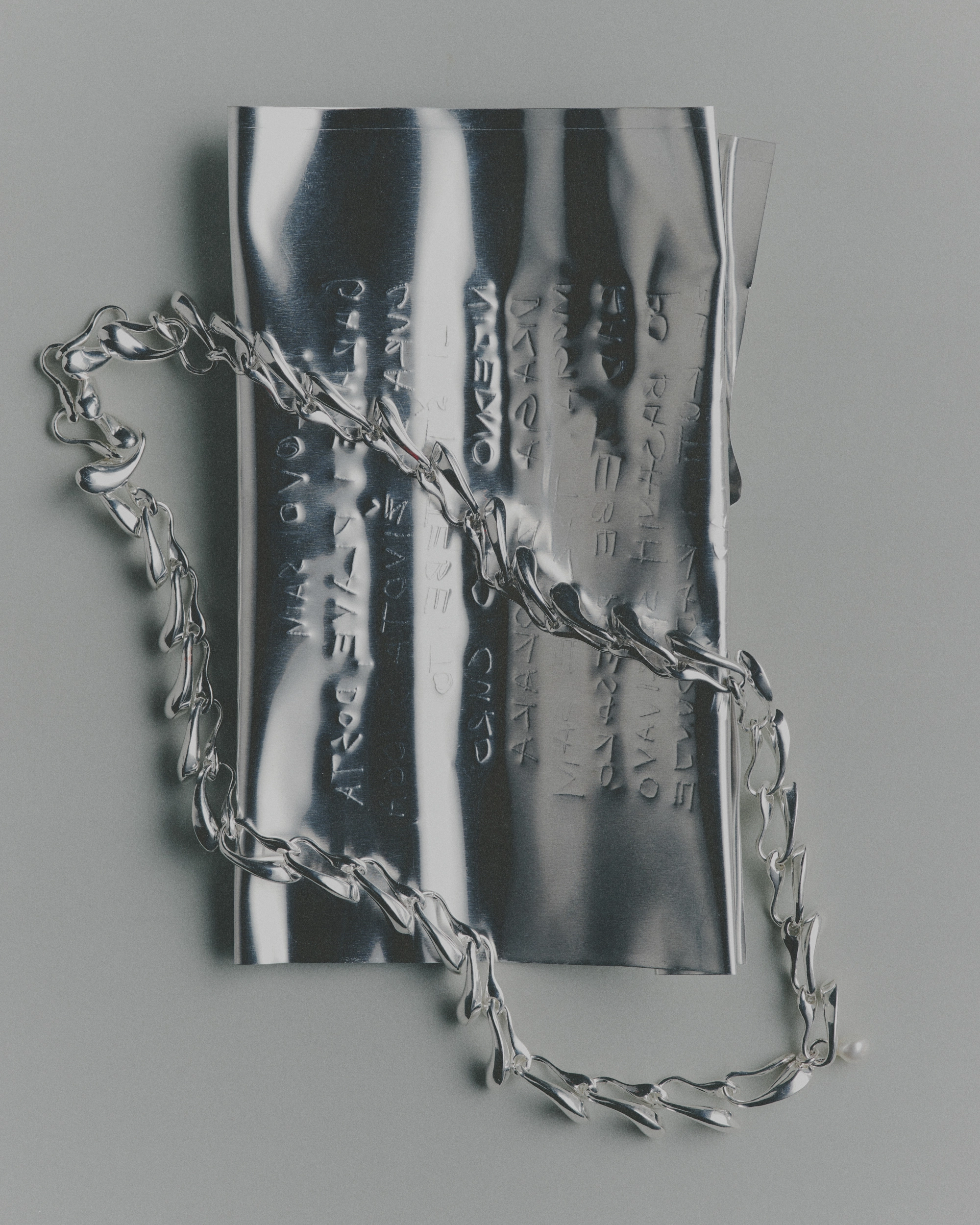
I think it’s an effective way to draw the viewer in and keep the mystery alive. By revealing less information, you invite the viewer to complete the picture themselves, a bit like a great film that has the capacity to unveil sentiments that are not overtly expressed.
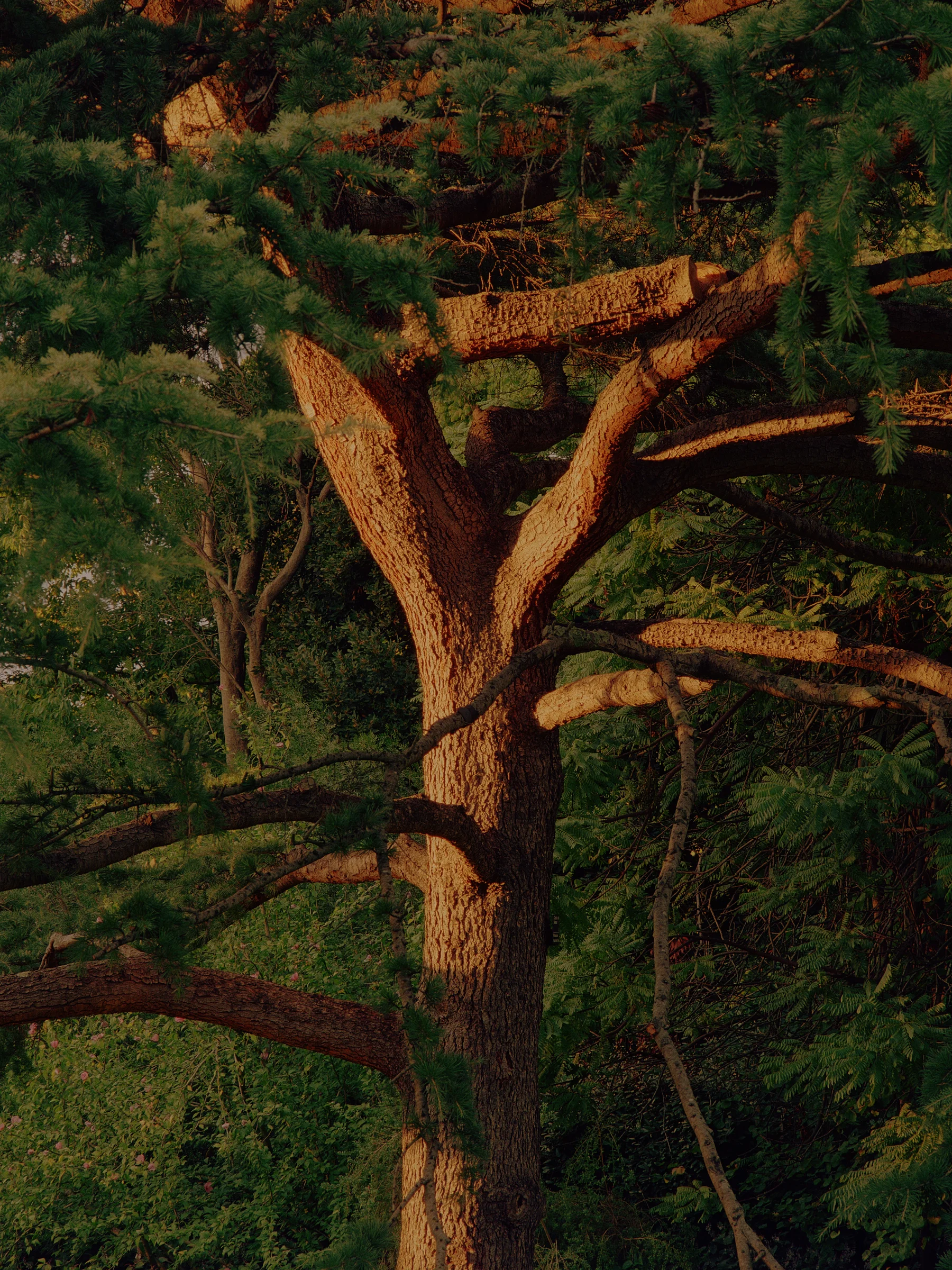
How do you navigate creating work that feels distinctively yours in an industry with so many prevailing and fleeting aesthetic trends?
I try to keep the overall look and feel of my work consistent, but there will always be tweaks and adjustments along the way according to client needs, which are largely driven by trends. I think that over time my aesthetic will continue to morph and evolve, at least partly, and maybe subconsciously, in response to trends.
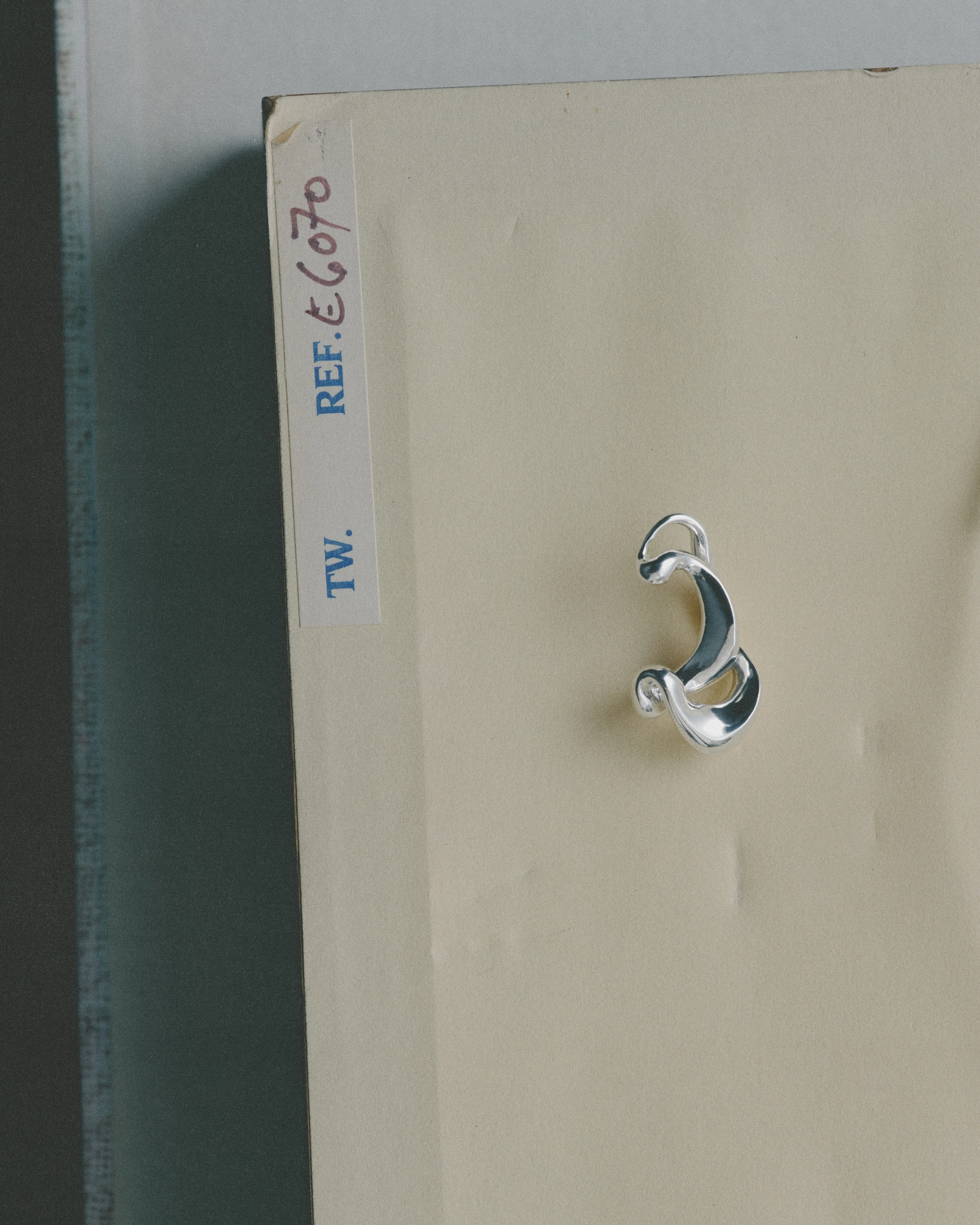
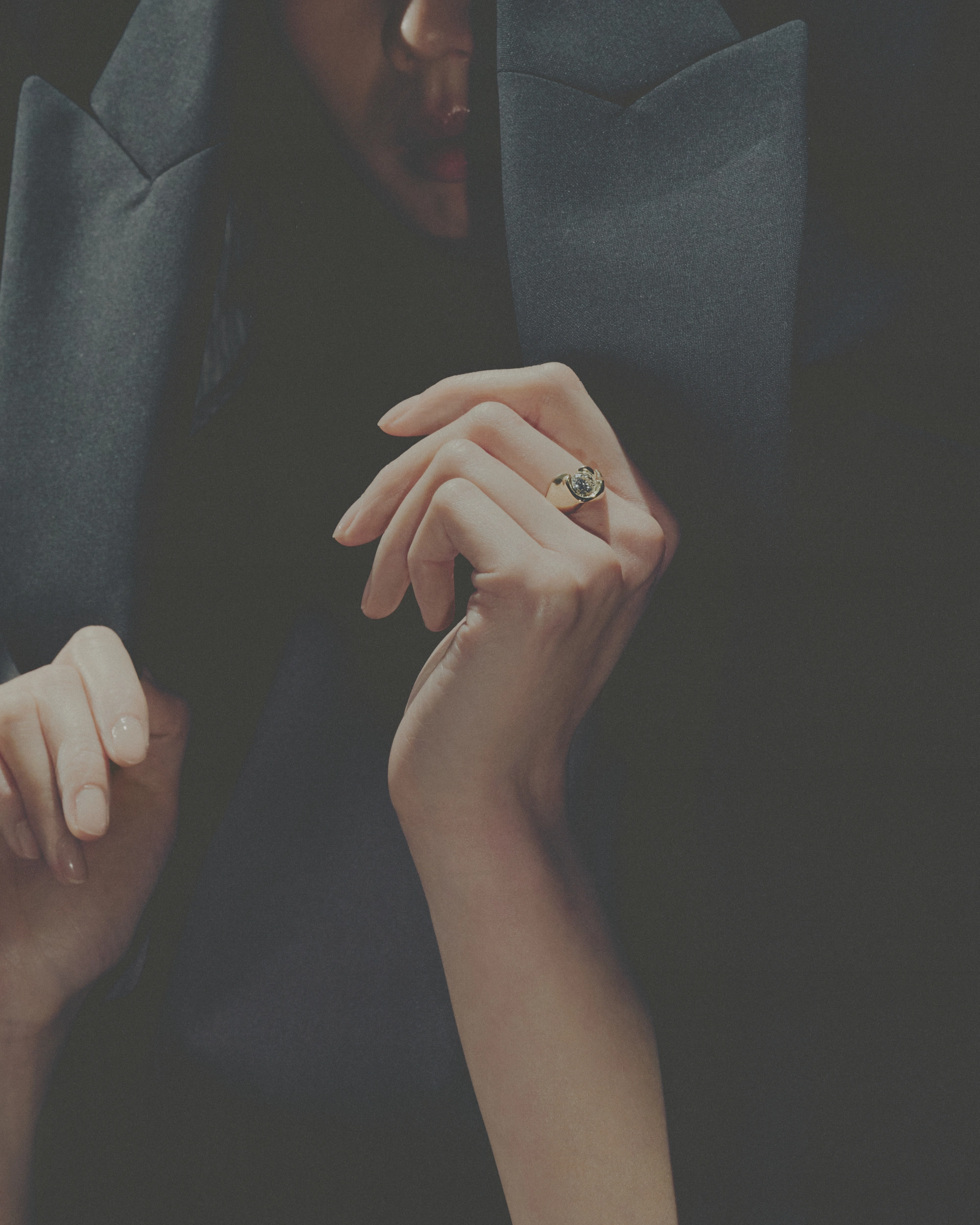
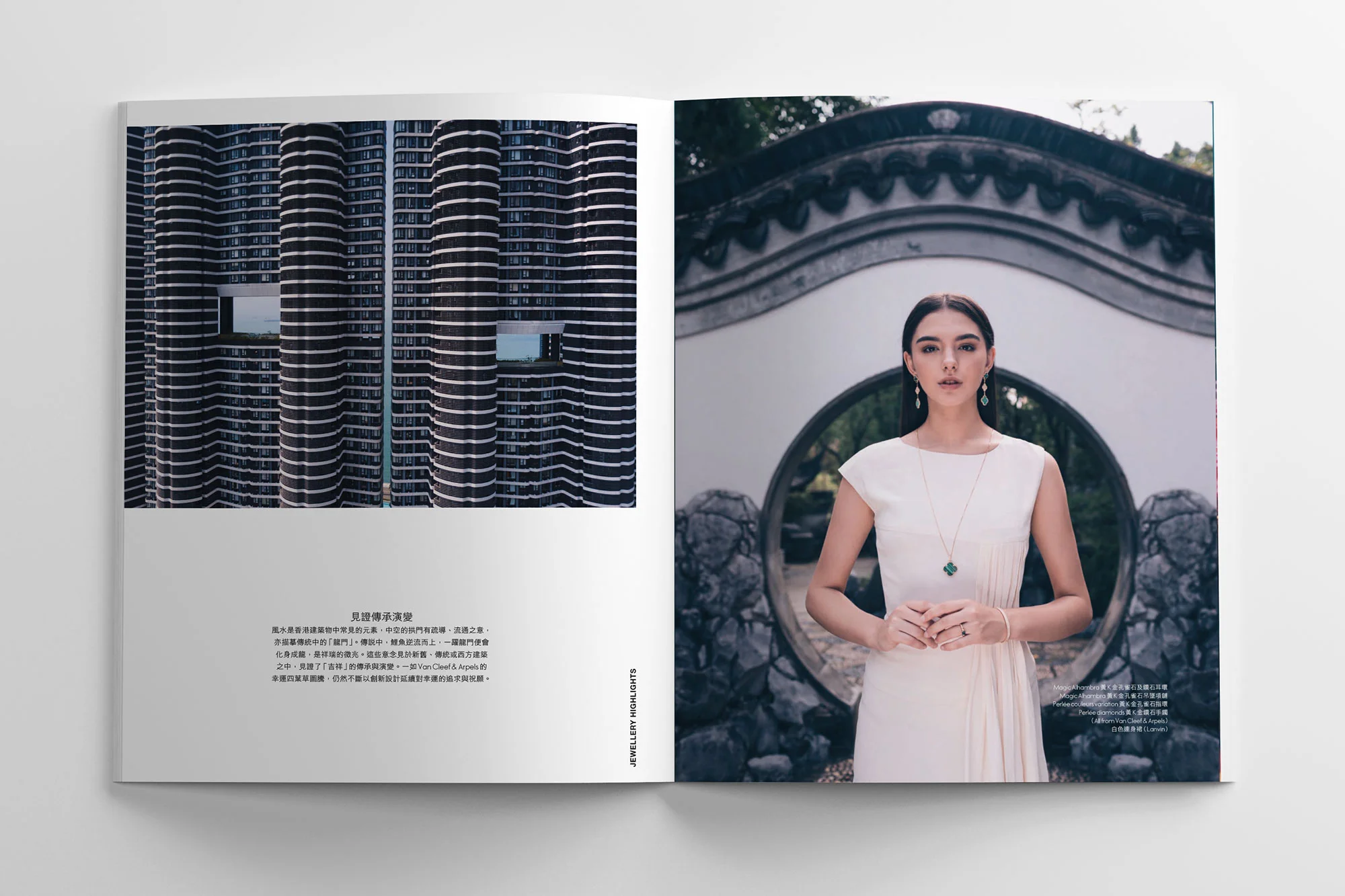
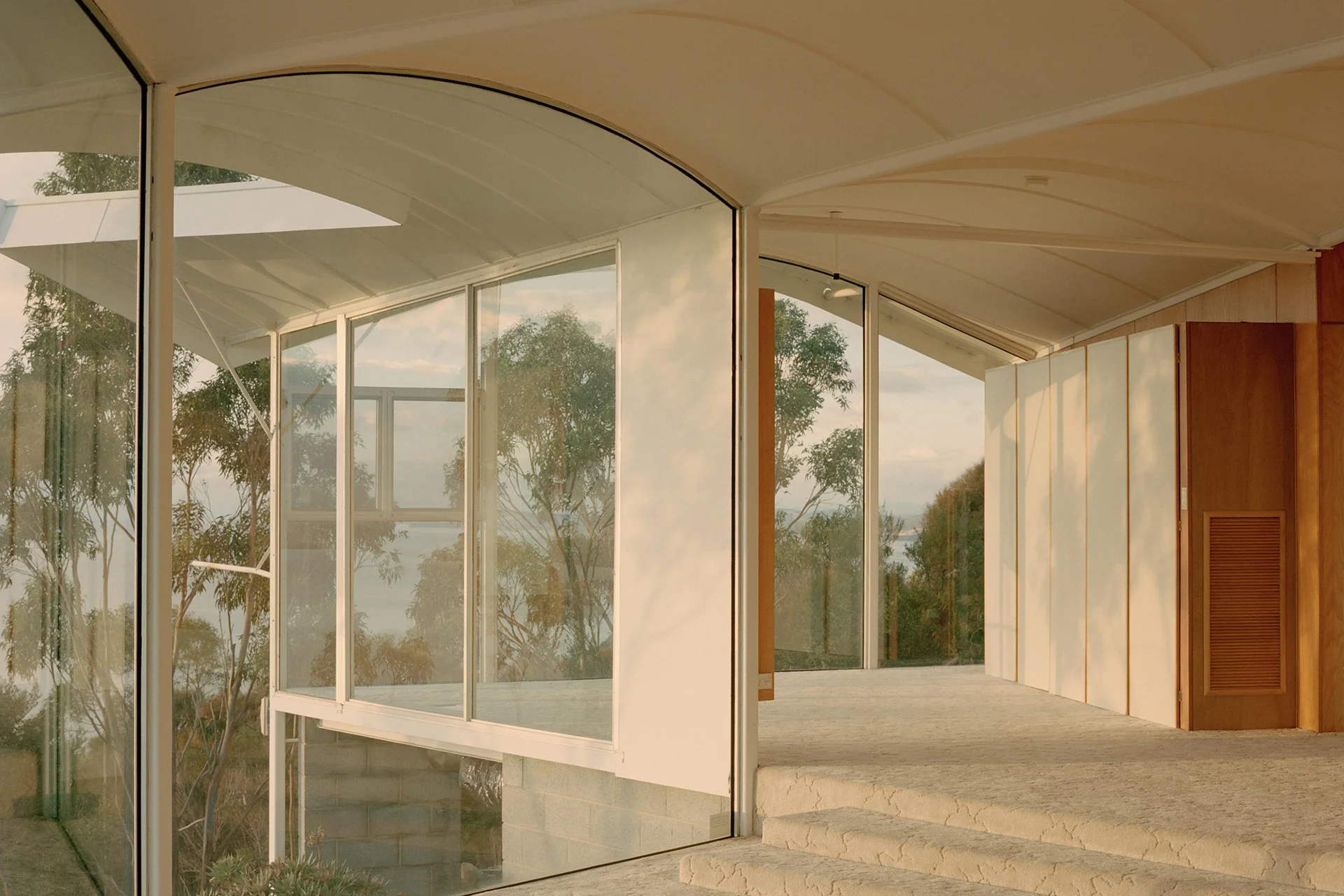
You’ve worked with some great Australian architecture firms such as Ritz & Ghougassian. What’s your process for translating an architect's vision into photography while maintaining your distinctive atmospheric style?
Other than planning for favourable lighting conditions and hearing from the architect about anything they are particularly keen to focus on, it’s more or less an instinctive process.
Architects are usually drawn to me for my aesthetic, so fortunately I’m not having to adapt too much to varying needs. There are subtle differences that are mostly applied in post-production. Some projects might call for a little more contrast, while others might require a softer, warmer feel.
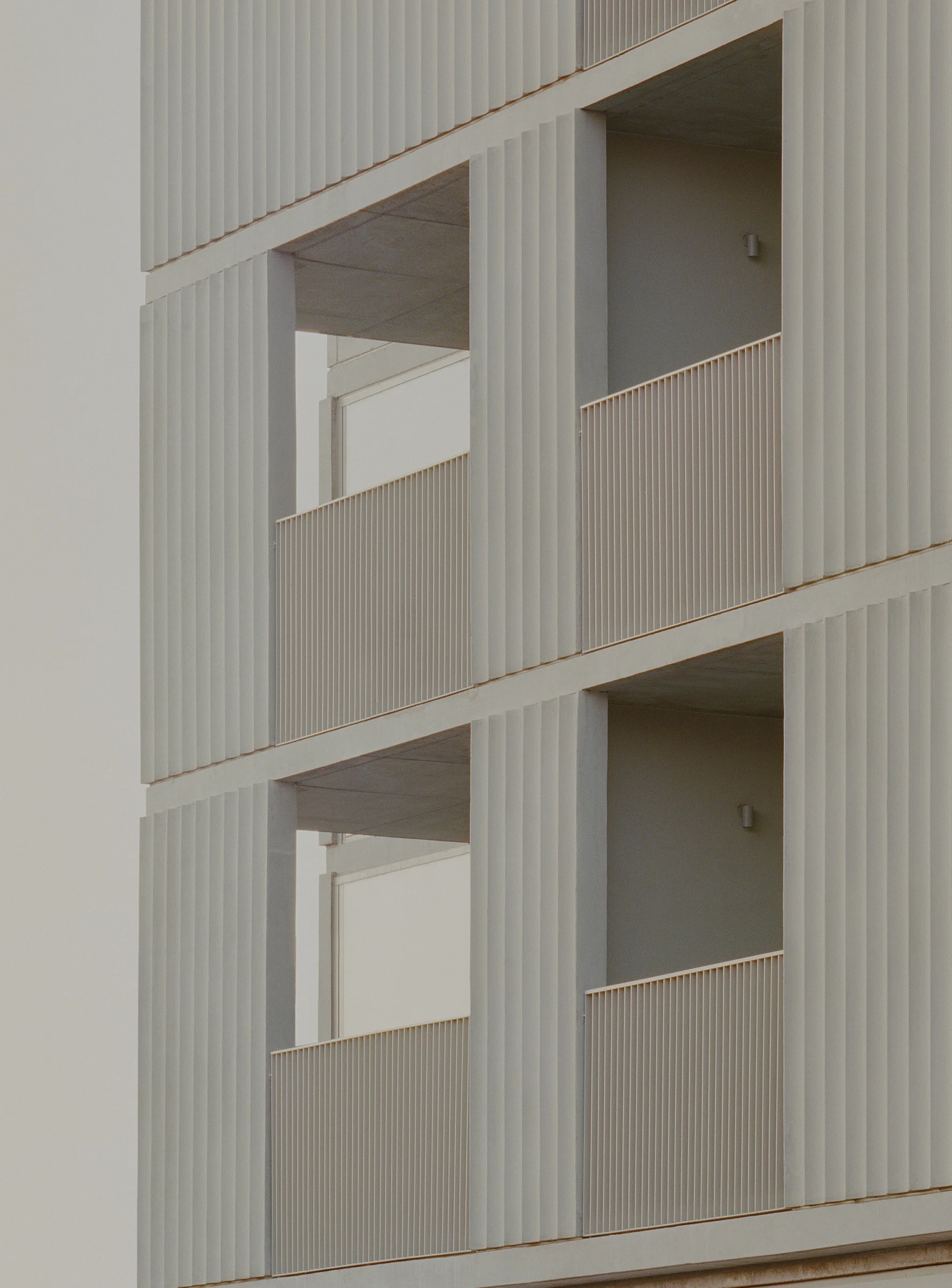
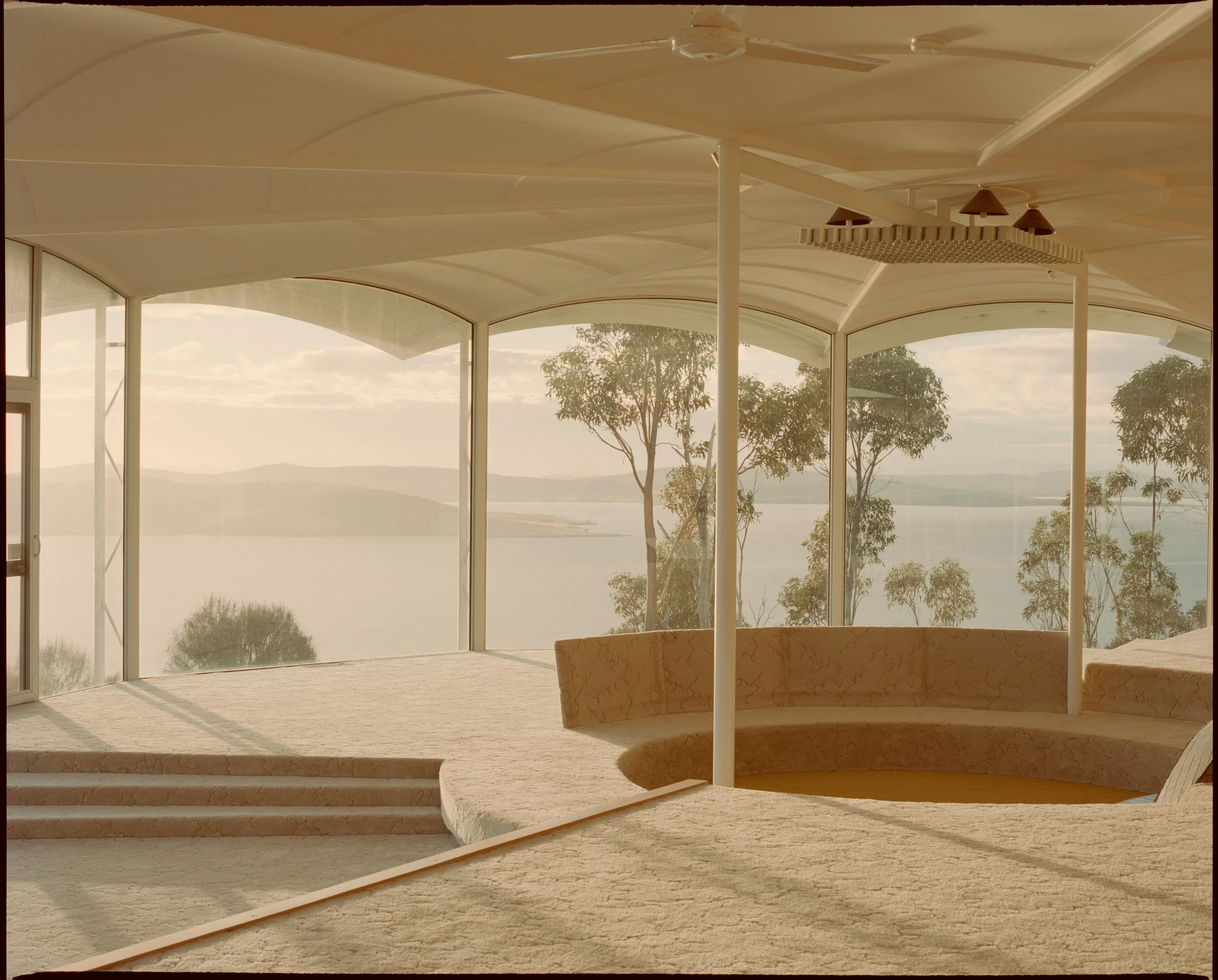
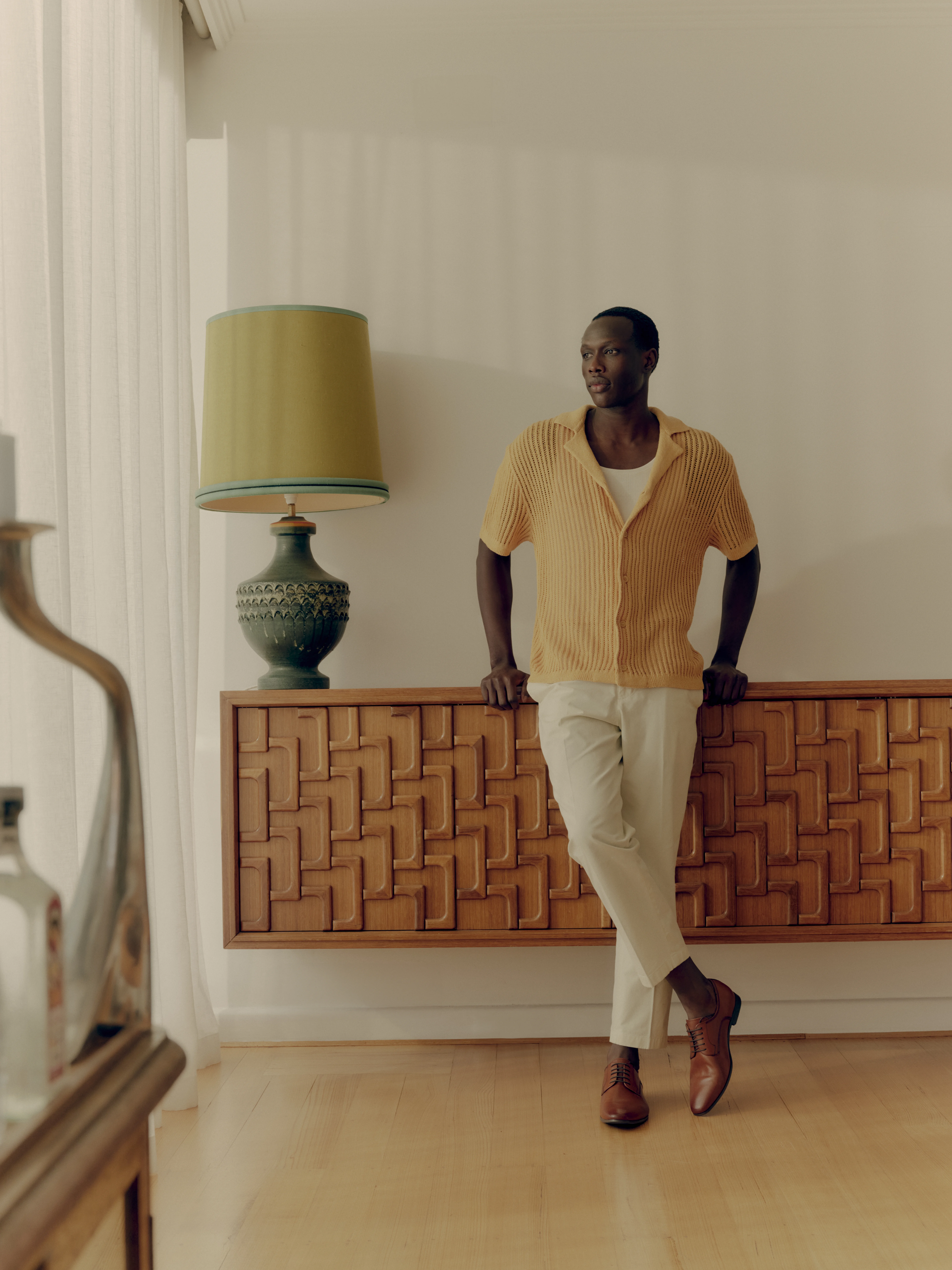
You’ve created fabulous work with art directors like Jess Kneebone, Marsha Golemac, and Lauren Finks who’s also in our creative neighbourhood. What makes a collaboration with an art director genuinely satisfying and inspiring for you?
In my experience, when the relationship between photographer and art director is mutually fulfilling, the exchange of ideas results in something exponentially greater than either person could individually realise. This often seems to occur when working with long-term collaborators, where trust and rapport have been established.
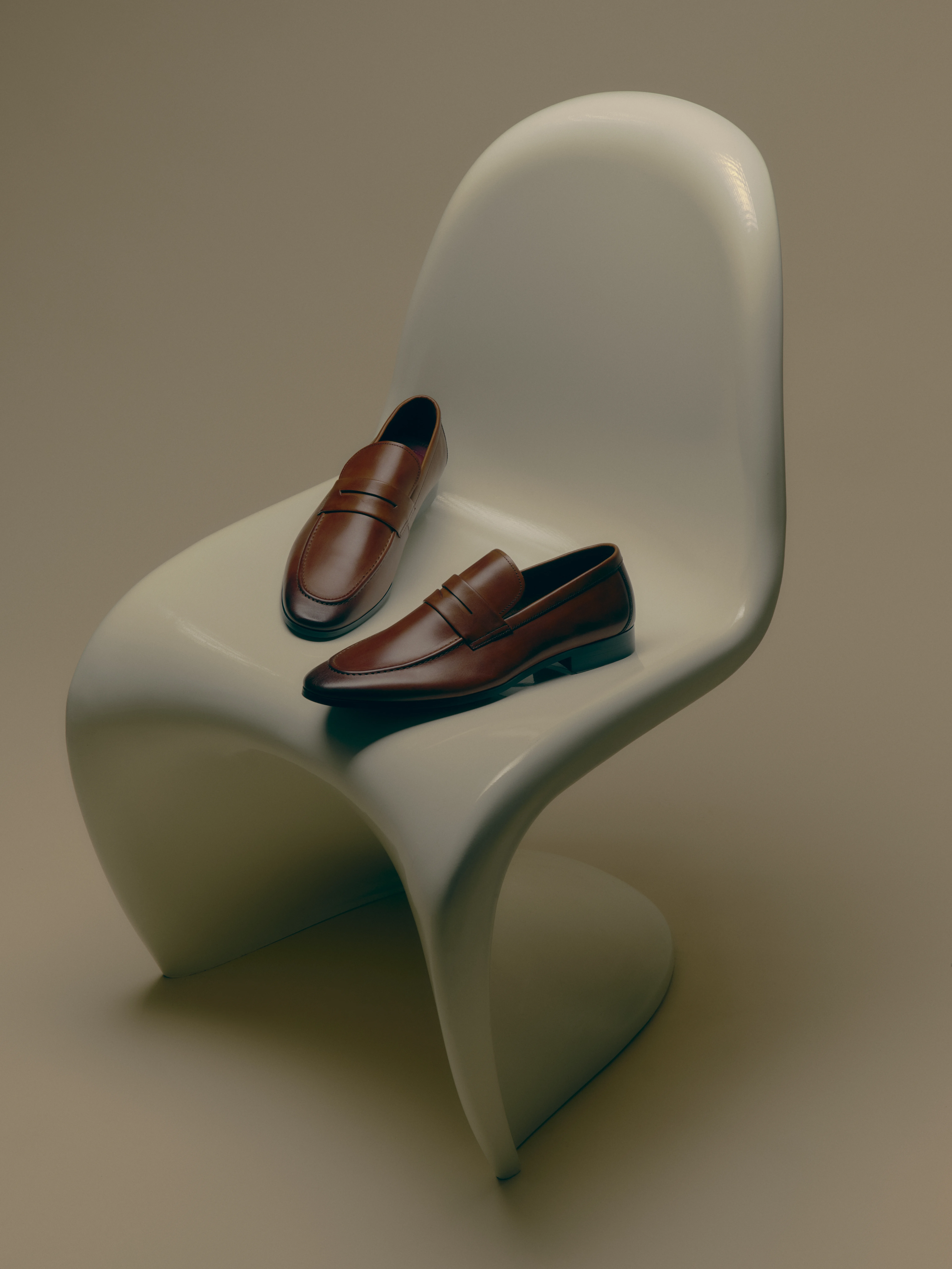
When working on projects where your photography sits alongside other creative elements, such as film or motion, how do you integrate or adapt your approach cohesively within a larger campaign?
I love collaborating with motion because it gives me the opportunity to shoot with constant lights instead of flash, an approach I’d like to adopt more often in my stills work. Larger campaigns may require me to adapt some fundamentals, including the grade, angles, composition style, and lens choices. Even though I’m sometimes moving away from my aesthetic for these kinds of projects, I find working to a brief that is somewhat outside of my immediate comfort zone very satisfying. I’m definitely a bit of a lighting nerd and love a brief that asks me to do something I’ve never done before.
At District, we’re all about crafting work with purpose that connects and sparks meaningful conversations, not just churning out content. When you’re behind the camera, what’s your approach to creating images that genuinely resonate rather than just document?
This is largely instinctive, so it’s hard to distill, but I think what I’m essentially looking for are frames that I genuinely connect with on some kind of emotional level.
We’re living in a time when AI is radically changing how images are made and consumed. Do you use AI to assist your practice at all, in ways that speed up tedious processes or help with initial mockups and moodboards, while you still hold the creative reins? What do you think are the best practices for photographers navigating AI right now while maintaining creative integrity?
It’s definitely been helpful for retouching, but other than that I’m showing my age by not really engaging with AI at all. I think in a best-case scenario it might push us to develop and strengthen our own creative voices so they can be distinguished from mass AI content.
As your practice continues to evolve, what feels most exciting or compelling to you right now? What are you pursuing or hoping to explore?
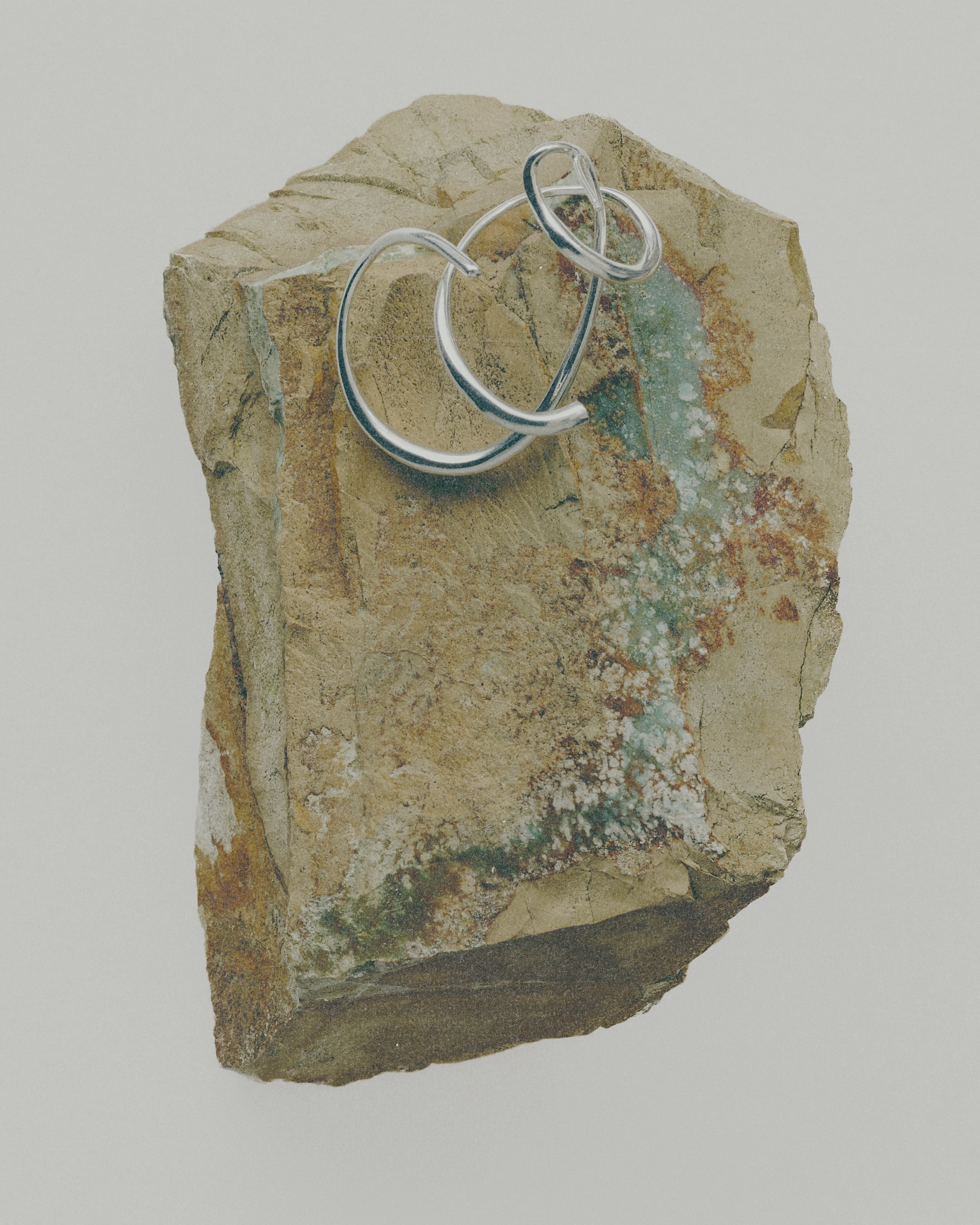
I’m currently excited to pursue more still-life work. I’m also keen to build an analogue printing process that I can incorporate into my workflow for select jobs.