Yik Keat Lee
Singapore-based photographer and videographer Yik Keat Lee finds patterns others miss and elevates everyday details in small gestures, routines, and beauty in hidden corners. A self-taught creative who left aerospace engineering for a career behind the lens, YK shares in this conversation his formative six months shooting only in black and white, touring internationally with Lauv, further high-profile work with global artists including Jungkook of BTS, growing a million-strong audience built on sharing his craft, and his evolving practice of mindful, intentional image-making.

You gradually transitioned into a career in photography from an aerospace engineering background. While you were seeking to build both technical skill and visual taste, what helped you learn and grow as a photographer and artist? For example, did you consciously build your own reference library for inspiration, research, and self-education?
I think what really helped me build my foundation was the curiosity I had, paired with the abundance of beautiful work already in the media space. I taught myself everything, so the internet and social media were my tools, and being new to the industry 10 years ago, I was a sponge, absorbing everything I could.


You once spent about six months shooting only in black and white, which is a fascinating creative experiment! As you were developing your visual eye, why was stripping away colour so important, and what did you start seeing differently when you brought colour back into your work?
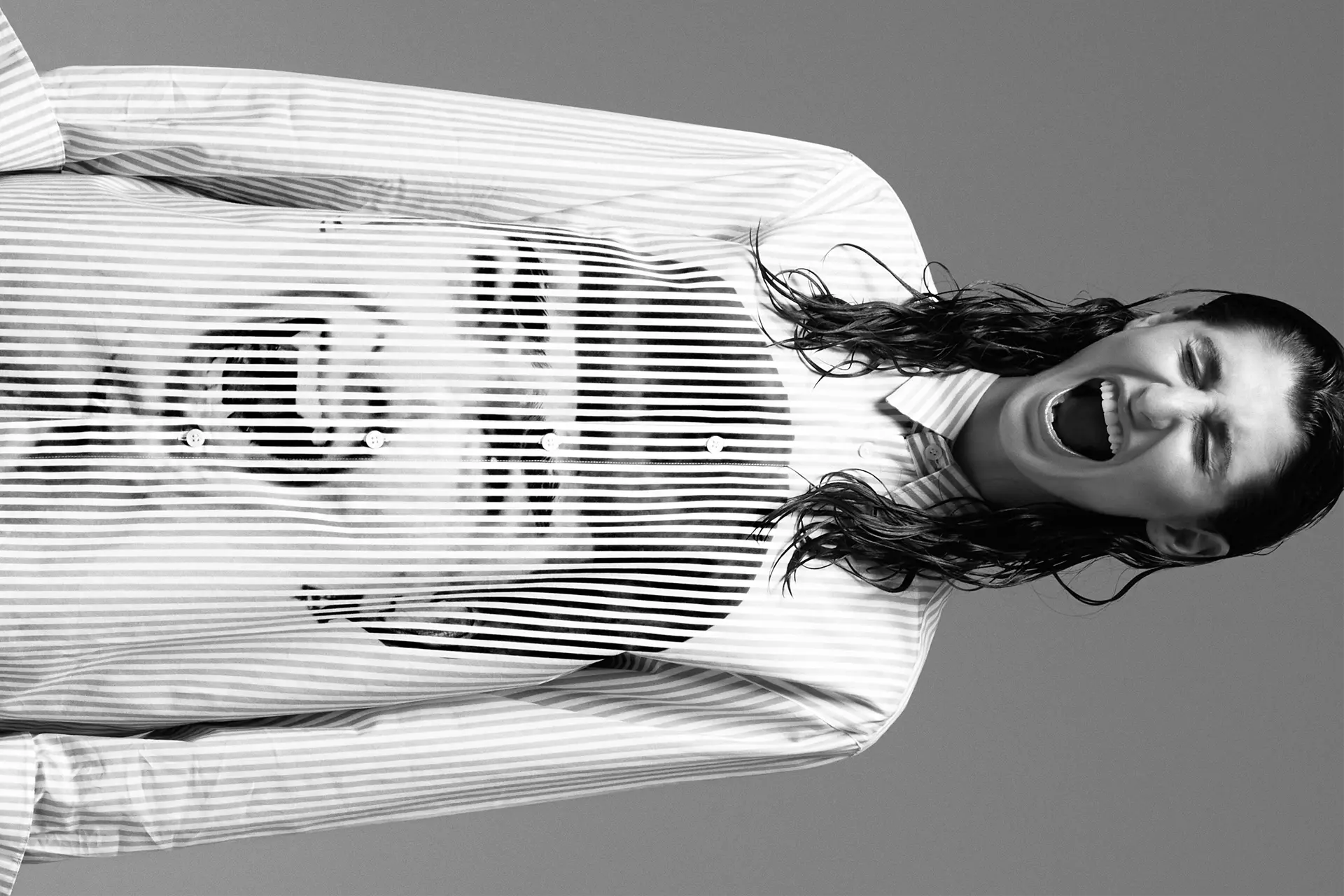
I did not intentionally start out shooting in black and white, but I stuck with it almost immediately after. I feel that having colour stripped away allows everything else to be enhanced – you can’t hide from bad framing, composition, or storytelling. This allowed me to grow and focus on all of those elements that are usually a little distracted by colour.
Your work often finds beauty in the overlooked rather than the obvious – the things in between, small gestures, everyday routines, and the textures of a place or object. What trains your eye to notice those details? How do you know when a moment or corner holds something worth framing?
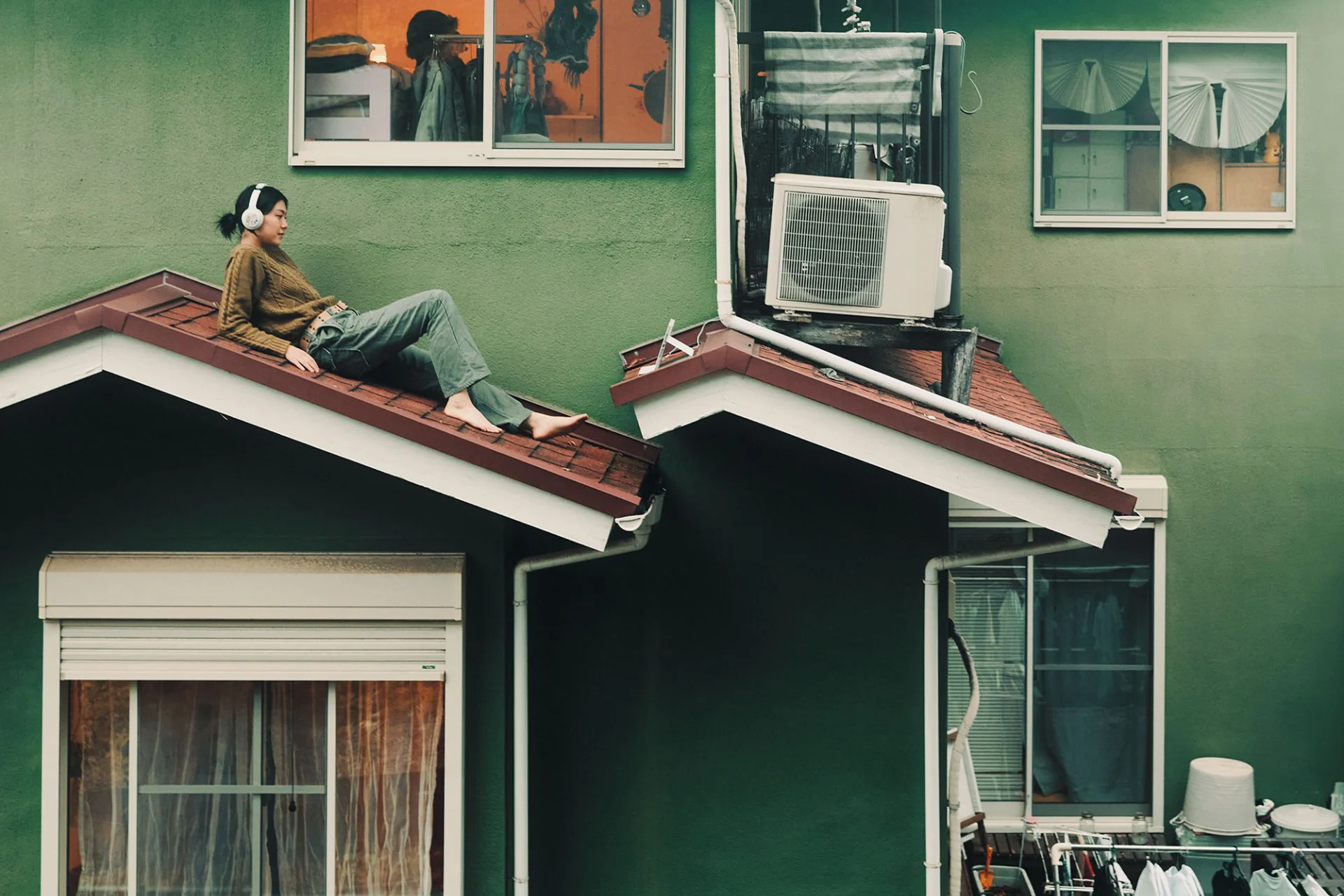
Singapore is a really small place, so the visual playground is also limited. Not to say there is nothing on a large scale that is beautiful to capture, but after roaming around, you get back to the same spot more quickly than in other countries. And so my deep dive into human interaction begins with how people interact with one another, and how they interact with the environment they are in. These are all things we often overlook. I usually examine a scene and find patterns. Those that are not acting according to the pattern stand out, so to me that is an opportunity worth capturing. For example, a colourful lady amidst a suit-and-tie business district.

How has being raised in Singapore shaped the way you notice details here that others might overlook, and given you the cultural context to create richer, more nuanced work?
We have a lot of things that are very local and unique, which make our home feel like home. Bus drivers taking a quick break. Drinking coffee at a coffee shop. Hawker centres, and the stall owners interacting with one another. Kids playing along the corridors of our public housing, with flags all around during National Day.

Does being based in Singapore put you in a convenient position to travel more and open you up to regional commercial work and projects, as well as global jobs and opportunities?
Definitely! I am very lucky to be based here, and it really allows me to go anywhere quite easily. After all, Singapore is a travel hub and a great mix of East and West. So being in the centre of it all really helps.


What is your current creative process when working in other cities and new locations in particular? How do you research and prepare so that the work goes beyond the surface and reveals something more compelling about a place?
I like to have a balance in my plan. Usually, I’ll research locations that are landmarks or touristy spots, and give myself a skeleton of places to “hit”. Once I’m there, I give myself a blank slate to wander around aimlessly, soak in the atmosphere, and capture what I find. Conversations with people based there are really important too. They highlight things and cultures to look out for that I wouldn’t have noticed, and I then take note of these and observe them in real life.


Your Stillness in Hangzhou project feels like a deliberate departure from the idea that every frame needs to be dramatic or high-energy. What drew you to quietness as a subject, and how do you make the moments of stillness you capture feel alive?
It aligns really well with my vision of noticing the mundane, small details amidst the chaos. Sometimes a scene does not need to have a really big moment, and as humans, we cherish the little things a lot, so these visuals are representative of that. I try to add elements like the raw sound of birds chirping or a single movement to elevate it.You’ve continued sharing landscape-format images even though platforms like Instagram typically favour vertical content. What are the strengths of horizontal photography, and when and why do you choose to work in that format?
Horizontal photography has always been a foundation of photography. The rise of social media and the way we consume media on our phones has made it much more vertical-heavy over the last 10 years. However, there are scenes that vertical simply can’t do justice to – a vast expanse of hills and mountains, for example. I choose to highlight these raw moments in landscape format because that’s how our eyes naturally frame the environment.
You share photography tutorials, tips, and behind-the-scenes content with your audience of over a million followers on social media. What made you decide to share more openly? And how do you decide what is worth teaching and sharing?
It was around Covid that I had a lot of time to reflect on what I was doing and what the next step in my career would be. During my time at home, I did a deep dive into my own work and experimented a lot in my house using random tools like cups and paper for photography. I wanted to share my creative process behind these shots and initially only made a few videos about it, but slowly they went really viral, and I also fell in love with the process of educating my audience. So this became a passion within my passion.

With such a large following on social media, do you think that gives you a unique perspective when it comes to understanding bigger brands and creating great work with their concerns or reservations in mind? You’re operating at a level of visibility where virality and public response can pile on quickly, and there's the risk of something not landing as intended or coming across as tone-deaf.
I feel that when working with brands, it’s always a handshake. They come to you with their campaign and brief in mind, and you come in with your vision and creativity. No matter how big or small an artist you are, your identity and creative execution are key. Regarding the issue of content coming across as tone-deaf, I always double-check, ask myself, and also ask the people around me if there is even the slightest hesitation about that particular piece of work.
You’ve worked with major global brands, toured internationally with Lauv, and photographed major international artists and public figures, including Jungkook from BTS. What have those high-profile experiences taught you about working under pressure, managing time constraints, and navigating the industry as a creative?
I think removing the fact that they are huge actually helps. It’s difficult, of course, since some of these people have so much influence that your brain has to comprehend how that is even possible. But for me, when I’m focused just on the craft, everything becomes silent. I reach a flow state and, paired with being as professional as possible, that has helped a lot. I always let the result and output I want to achieve guide me, even under pressure or time constraints.
_1788_2680.webp)


In this chapter of your career, you seem to have evolved your practice and approach to be more mindful and intentional. What does working with greater intention look like in practice, day to day, in the way you choose projects, make work, and show up online?
I journal, read a lot, and have been practising being present. It’s one of the hardest things to do, but very rewarding for the soul. Often, our mind and heart wander into the future or dwell in the past, but by staying present in the moment, your senses start to heighten. You start to witness patterns unfold in front of you and hear sounds you often missed, like a bicycle bell ringing or raindrops on rooftops. This will realign you creatively as well. When you understand yourself more, you know what you want or don’t want, and this has naturally helped me in choosing work that represents me.

How do you engage with causes you care about, such as sustainability, through your work? Is that something you’d like to do more of in the near future – working with companies and organisations that align with your values and making a positive impact?
As I love seeing beauty in little details and educating people about photography, I feel I can also take part in more projects that support causes which reflect this, in both direct and indirect ways. For example, climate change and the ethical use of fabrics and materials in everyday items. It would definitely take more of a storytelling form, either through talking or visuals, and could exist as short- or long-form video.