Riley Hart
Riley Hart is a director and cinematographer based between Melbourne/Naarm and Paris, with a practice spanning documentaries, brand films, and editorial storytelling. His work is characterised by a beautiful observational tone and tactile sensitivity to landscape, atmosphere, and movement. Informed by a love of cinema, he shoots on film where possible, balancing visual discipline with instinct. In this conversation, Riley chats about finding artistic expression via his former career as a professional cyclist, how cinematography sharpens his eye as a director, creating distinctive work for the Australian, European, and Chinese markets, and taking on incredible creative challenges, such as shooting a salt lake racing documentary in 50-degree outback heat.

You came to filmmaking and photography after a formative chapter in cycling. What drew you towards this creative path, and how has your background as a cyclist influenced the energy, perspective, and sense of adventure you bring to film, from what you’re interested in exploring to the way you shoot and direct?
To me, photography was an outlet. I was very young and living alone on the other side of the world, and I picked up the camera in an effort to document that time. Initially, it was a way to just collect generic travel photos, but quite quickly, I realised I was more interested in capturing people and the many landscapes I was riding through.
I was on the verge of what felt, at the time, like a dream – to race my bike professionally and go to the Olympics. But after a bad crash, I was left unable to pedal for an extended period of time. It became clear that my injury was going to be difficult to overcome, and after a failed surgery, my career in cycling felt like it was slipping out of reach.
The camera was there in this confusing time. It was motivation, it was expression, and through the tone of my images, I felt like I could reflect my feelings. More than anything, the camera, and film in general, was something I could pour myself into when my world felt upside down.
When did you realise that sport was a form of artistic expression for you? How did you explore that unexpected connection between cycling and art in your short film Because of In Spite of, through the film’s visuals, symbolism, design, and the different mediums you incorporated?
This concept only began to crystallise quite late in my cycling journey, and it’s the one thing I wish I could have explored further as an athlete. I grew more and more disenfranchised by the direction sport was going. Even in my few years in the sports institute program, it had morphed from something that felt connected to history, culture, and emotion into a program that discouraged individuality and lauded numbers. Numbers weren’t what sport was about for me.
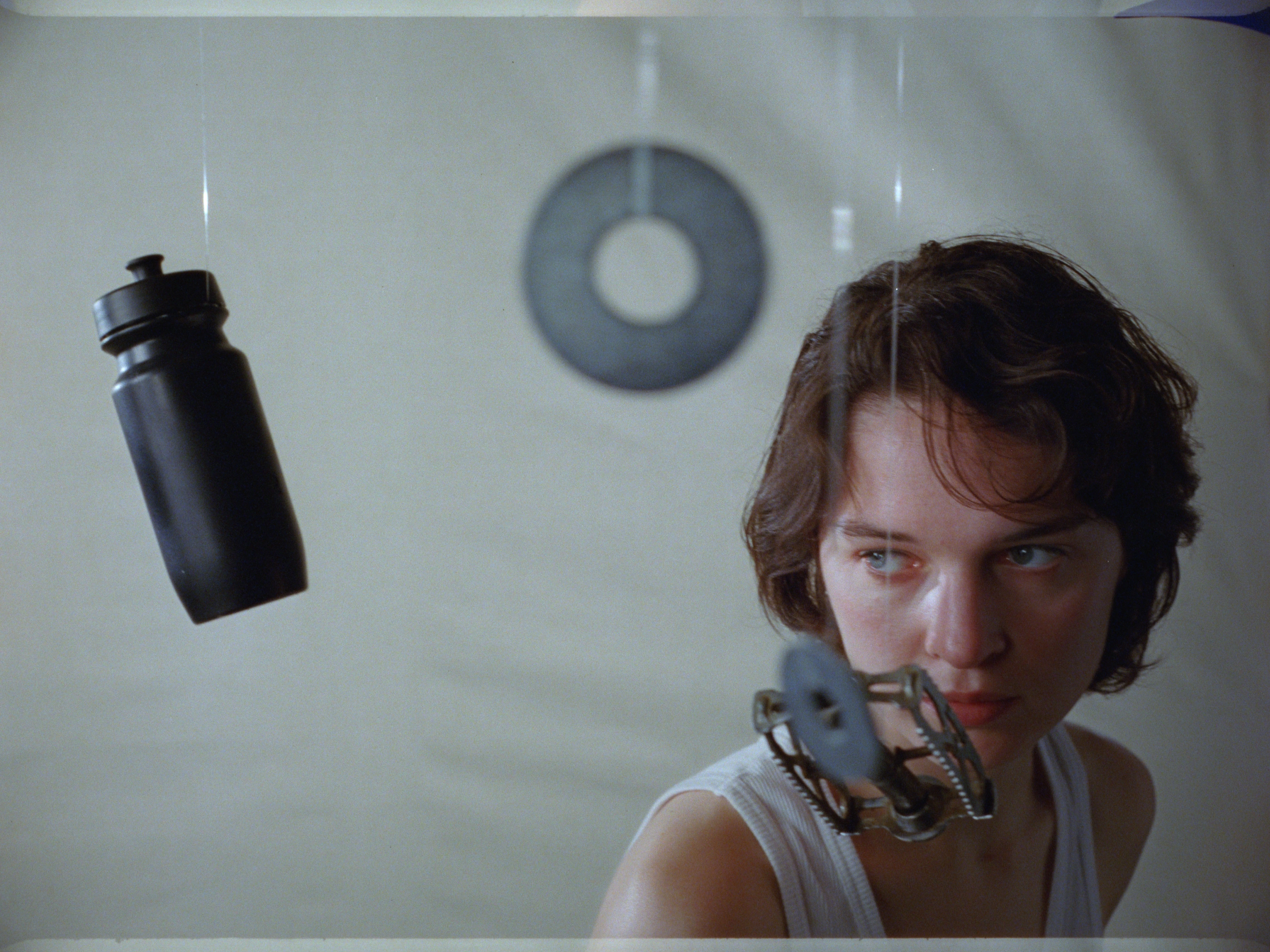
I had a moment while I was out on a long training ride in the mountains in Colorado where I felt as though I was floating. Every movement felt deliberate but effortless, and with full clarity, I could see myself from above. When you spend 20+ hours a week on the bike, the way you move becomes your ultimate, and more or less only, form of expression. Through training and racing, I was regularly in significant amounts of pain. This pain, I realised, felt like a shortcut to a form of mindfulness.
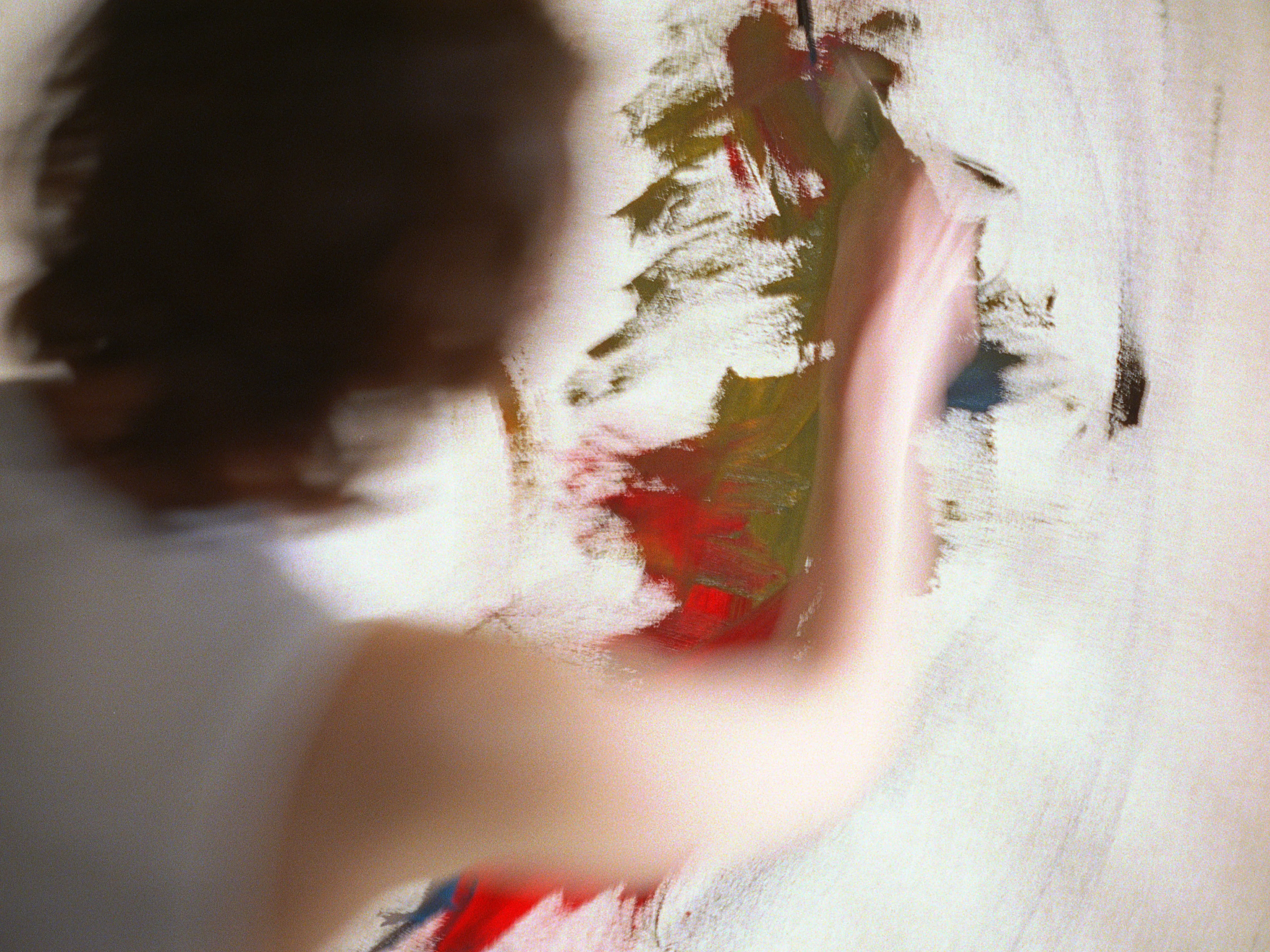
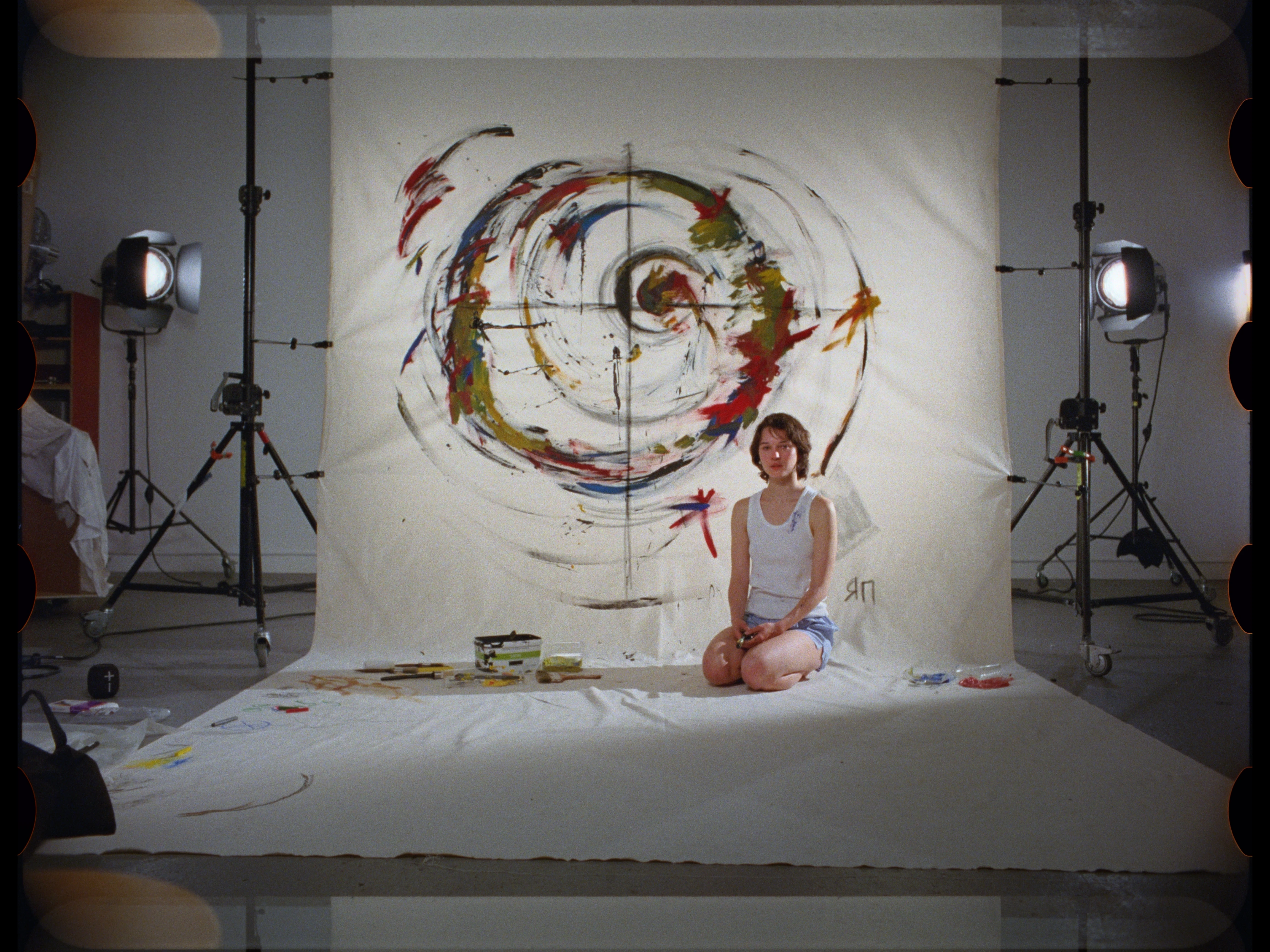
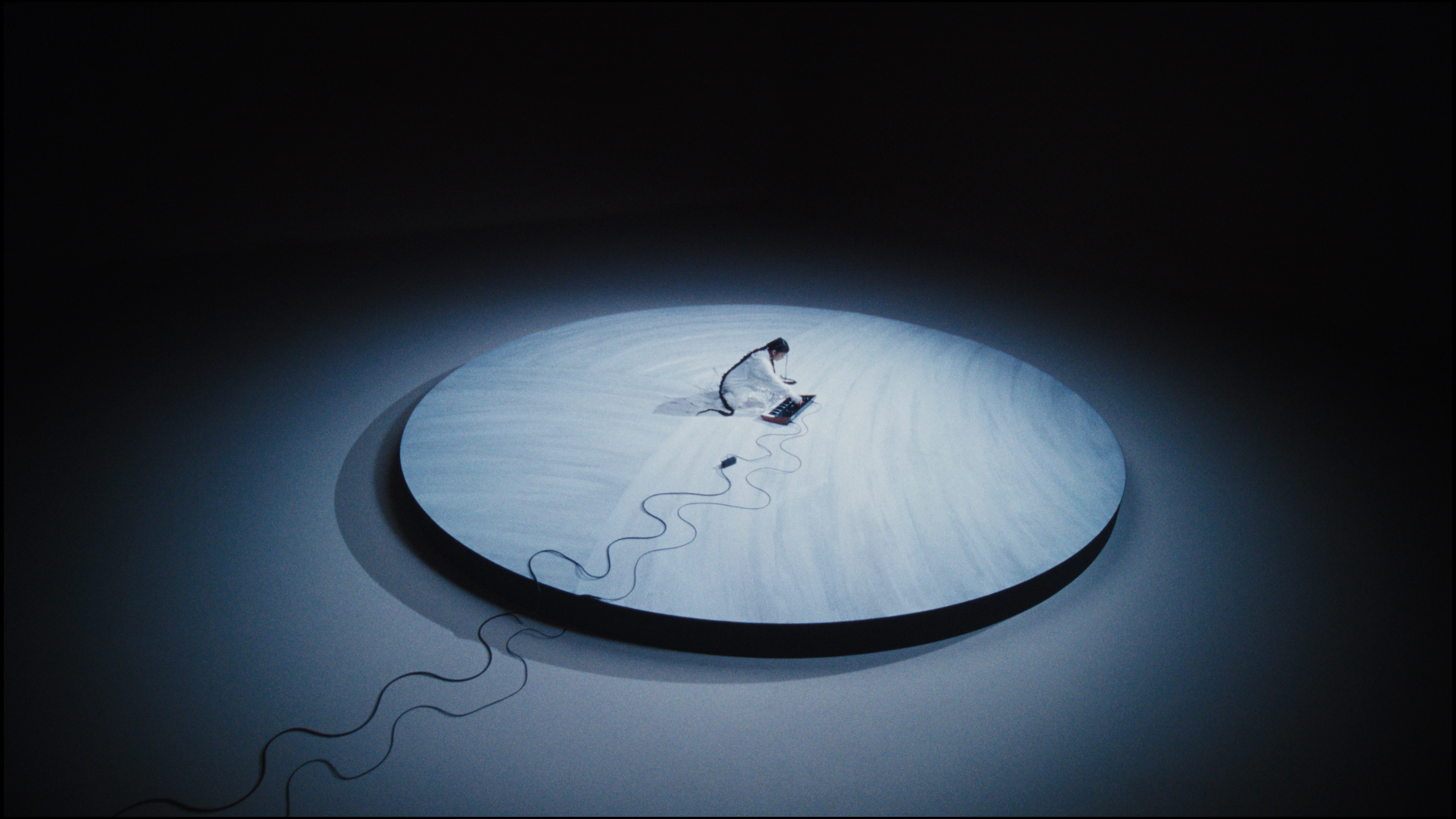
This was the jumping-off point for that film, I suppose. I loved both the feelings the bike evoked at times and the symbolism around the sport’s history. I wanted to try and represent these things without actually ever showing a bike or cyclist. It was a formal exercise that then turned into a beautiful collaboration. Yana, who is the “cyclist” in the film, has a similar relationship with painting as I did with cycling, so we decided to try and represent these feelings and work through them in a new medium.
As you’ve moved further into directing from cinematography, how has seeing through the camera informed your process as a director, both creatively and technically?
The thing I love about cinematography is the way it helps you to trust and develop your eyes. I like to walk into a space and take a second to just look and see what my eyes are drawn to. This is a skill that I believe is honed through years of thinking in images, as is required in cinematography. Whenever possible, I like to shoot on film because it forces you to use your eyes in an active way. Shooting on digital adds a layer of artifice in this way. You default to looking at an image through a screen, rather than being in a scene with all of your senses.
I think this is what I am most thankful for. I trust my eyes, and I know how I like to work. The other great benefit of having been a cinematographer is that the conversation around formats and lenses, for example, becomes one that is natural and exciting. I have shot with lots of lenses and cameras as a cinematographer, so I can take these preferences into my images as a director. The other thing is just the practical skill set. When directing, you always have to be considerate of budget and schedule, and knowing how much things cost, how long setups might take, and the best times of day to achieve certain shots is a huge help on every single project.
You directed a memorable branded short film with The Audition for Armani Beauty in collaboration with to Be Magazine. What excited you about this concept of actors finding solidarity at an audition? What aspects did you choose to focus on and bring out through your direction?
I think when watching any film, I am always thinking about what I respond to in a particular performance. Why do we like one line reading and not another? This was the thing I was most interested in exploring in the direction of the film. What happens when three actresses read the same line from the same spot in the same frame? What do you like about one intonation over another?
We set the room up to feel as much like a real audition as possible. Jana, Lucy, and Grace all had their time to interact with Ange and Anne, our director and casting director in the film, and to try to impress in only a couple of lines and looks. The scene wasn’t really overly directed. We just talked about tone so that each performance felt a little different, but overall, I tried to keep it feeling as much like a real audition as possible, so as to capture the real tension of the room.
Acting requires a lot of vulnerability – the actors amaze me! I hoped the film created an environment where we could capture this vulnerability without exploiting it. I feel so lucky to have got to make the film, as it is not necessarily a traditional make-up commercial, but at every step along the way, everyone was on board with the vision and stayed true to it.
How do you approach building a compelling cinematic world for branded film projects through story, performance, and atmosphere, while keeping it feeling natural and aligned with the brand?
This is something I am definitely learning, and I feel like I am always looking for guidance from producers and creatives I look up to. I think the goal is to always be exploring the themes, tones, and techniques that interest you in personal work and research, and staying true to these directions in branded projects.
The spectrum of branded film is wide, and I think you need to find your own place on that spectrum. I wear my influences and interests on my sleeve – I know I can create a compelling world within that band. The last thing I want to be is a chameleon. If a brand wants to work with me, I hope it’s because they like the worlds I create, and that is the test for alignment. Make work that feels like your own, and then a brand knows where it stands when they hire you. I believe it’s very important to say no if something doesn’t fit within your interests or aesthetic.
Practically, when working with a brand, it’s all about knowing what you want to make and being very active with sharing the vision. Be clear with influences, references, music, and tone. Research it all and communicate your interests. That is what I have found works best. The more a brand understands the motivation behind the direction, the more buy-in you will have. I am still developing my process, but this is what I have learned so far.
You’ve worked on fashion and editorial projects with major fashion houses and Chinese actors, including the Numero China x Chanel couture cover story with Xin Zhilei and The Meaning of Travels for Prada with Bai Yufan. What did you enjoy about these projects, and what was it like working with brands you’re familiar with but in a different cultural context, for a different audience?
I have shot or directed a few projects for the Chinese market. I especially enjoyed another couple: one with Eddie Peng for Port Magazine at Cannes Film Festival, and another for Vogue China with Dior, starring Zhang Ziyi. I found it incredibly interesting to understand the value of celebrity in that market. The extravagance of some of those films, and particularly the clothing, really was a sight to behold.
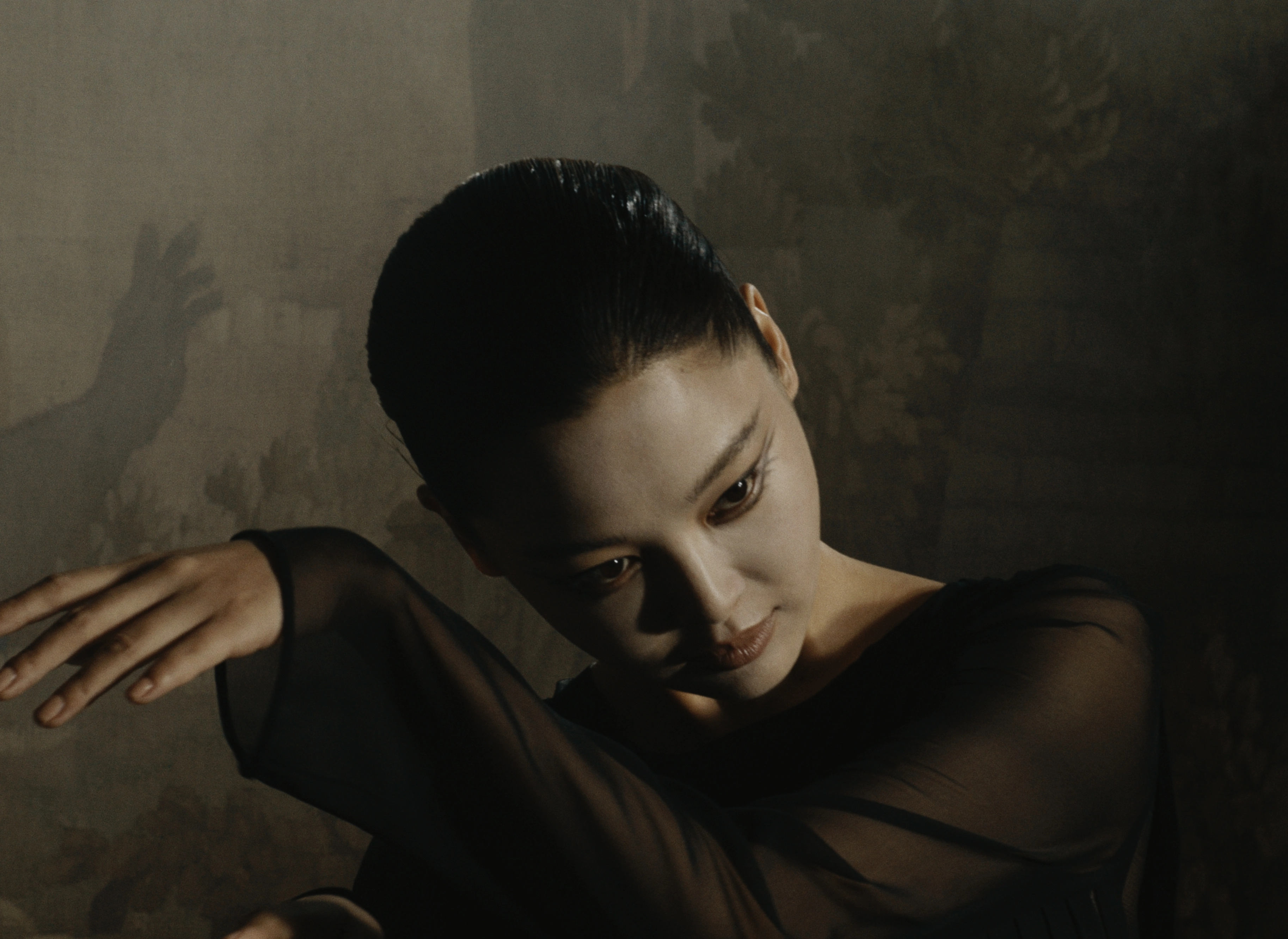
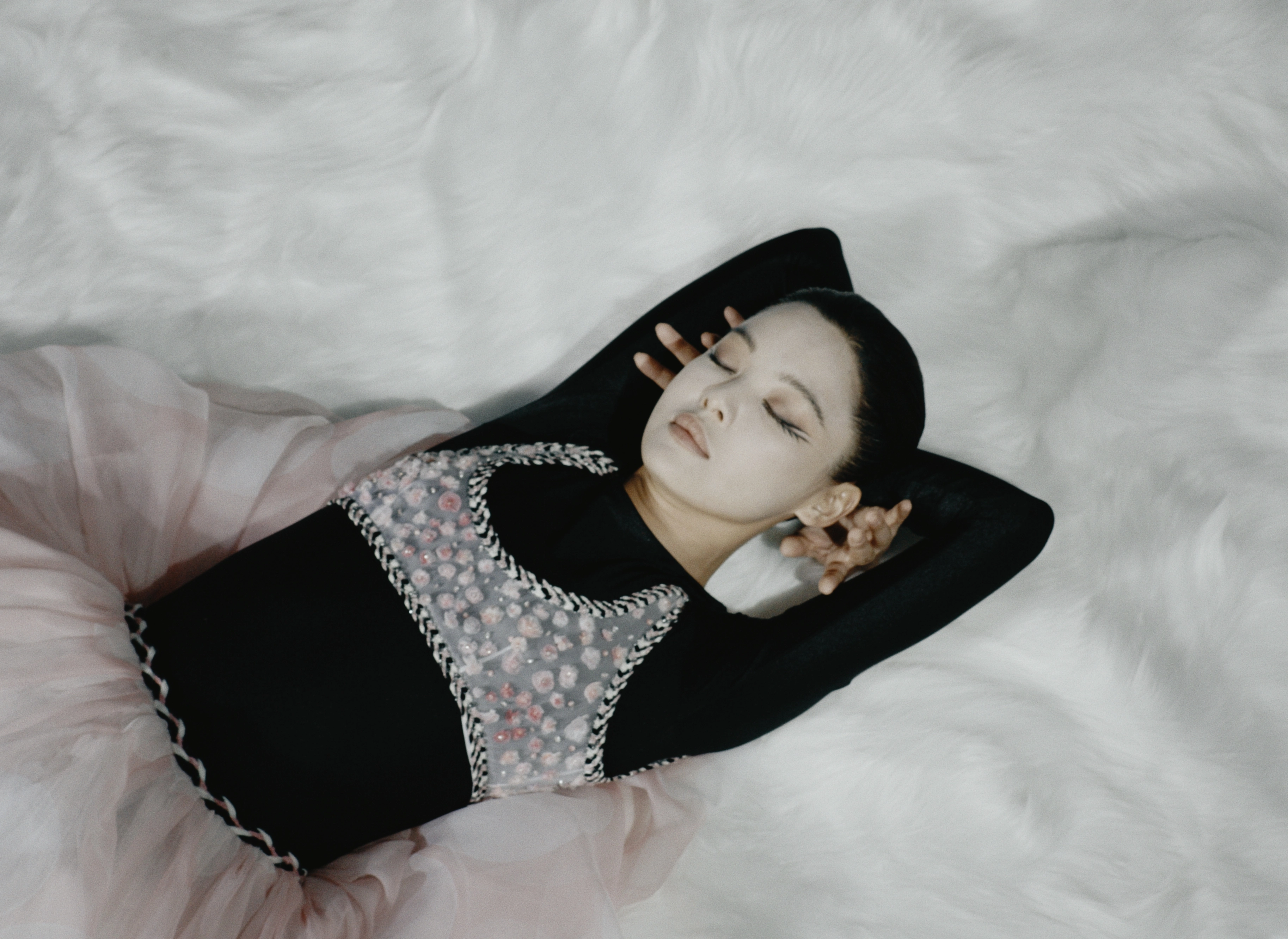

I found the productions themselves to be a challenge, as they tended to be stills-first and the celebrities had very little time actually on set, but I feel I learned a great deal about how to get the best stuff possible in that environment. Trust is obviously a big thing, and if you can just have one little moment with whoever you are filming, it can minimise the extractive nature of the relationship and create some understanding.
You’ve also done some more experimental projects, including Where the Grass Don’t Grow, a fascinating documentary about salt lake racing in Australia. How did this project come together, and how did you assemble the right team for it? What did collaborators like camera operator William Forsyth and composer Alex Albrecht bring to the film, from capturing the intensity of a physically demanding and remote environment to shaping its emotional energy through the score?
My real love in film is experimental and ethnographic documentary. I am interested in how landscapes inform culture and industry, and in particular, how we can read the history of a place through its land. I have been shooting stills in outback NSW and SA for the last few years, working on a series, and in this time I have come across some amazing stories. I was in a pub in Glendambo when the bartender told me there was a salt lake not so far away where they test jet cars once a year. I had missed it by only a week, but the seed was planted. That was maybe in 2021, and the film took shape in my mind from that point forward.
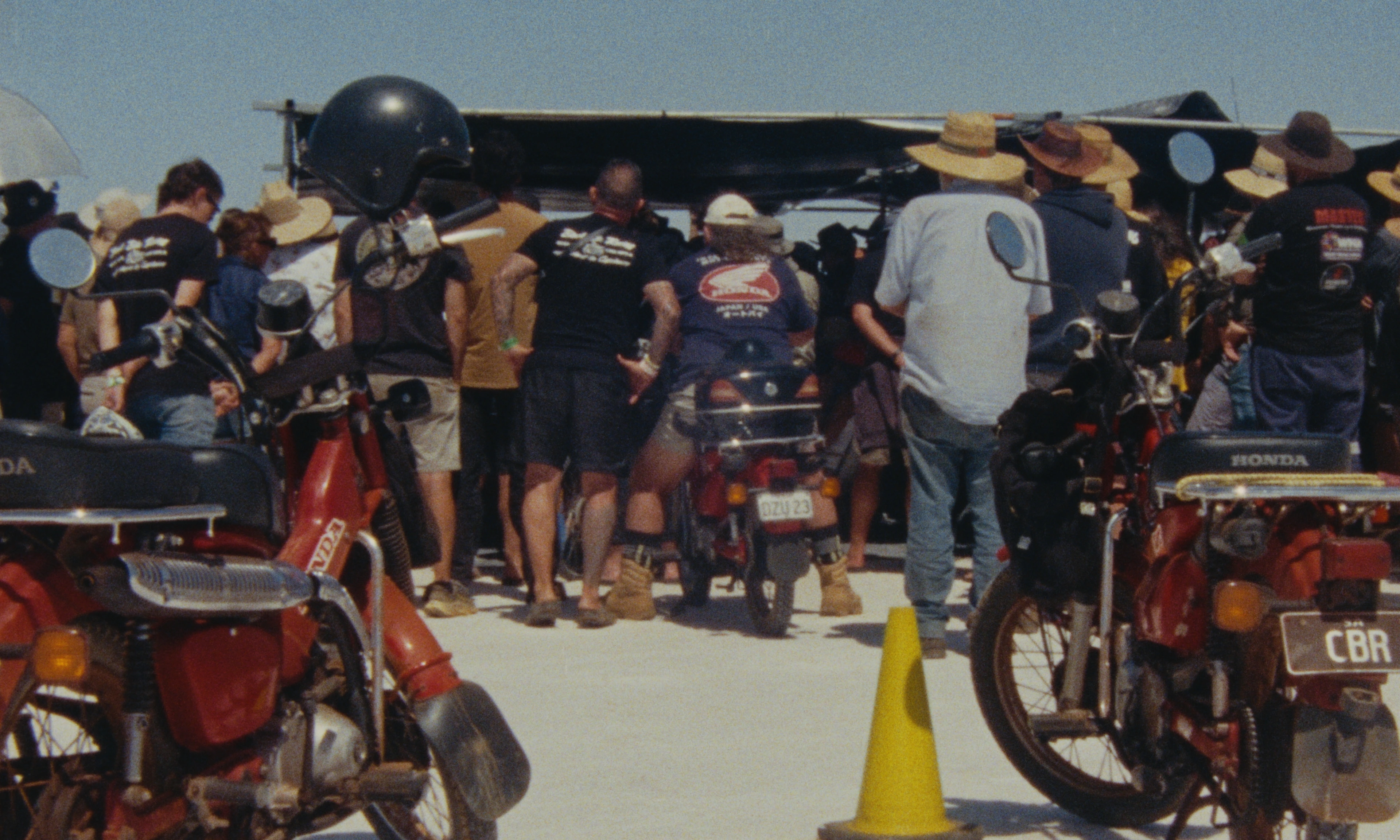
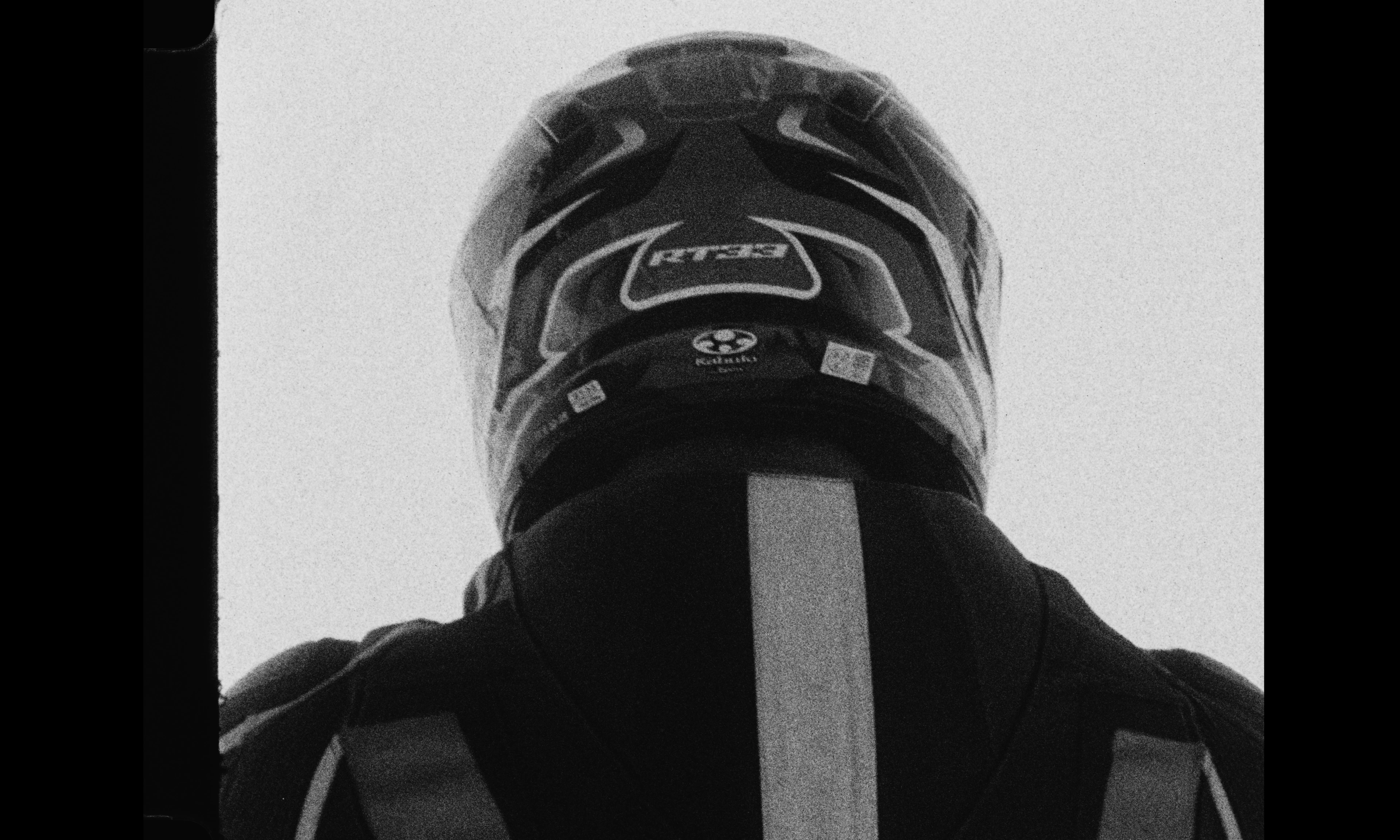
After being overseas, and then subsequent editions being rained out, all the stars aligned for 2025. It was an incredibly harsh shooting environment, and because of how much gear I was taking, I only had room for one person. I knew Will would be game. He understood the style of film I was hoping to make, and more than that, I knew he would be down for an adventure that would involve 3,000 kilometres of driving, 50-degree shooting temperatures, and an unknown timeframe.
I knew I could trust Will to get the shots we wanted, as there were lots of moments where he was at the start line operating there, while I was operating on a long lens a few kilometres down the lake. I guess it’s about trust, ultimately.
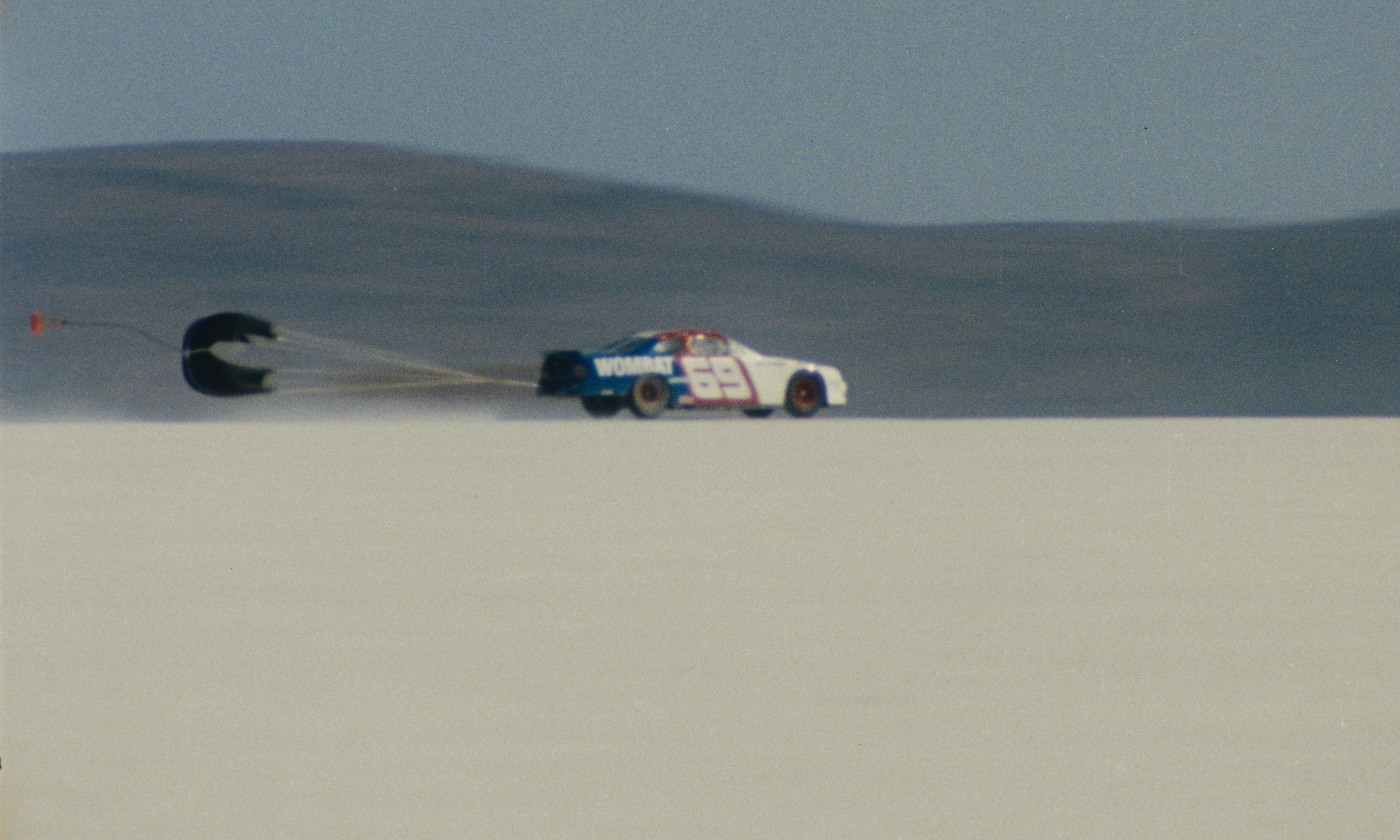
The same was true for Alex. I have always loved him as a musician, and I think his sound captures the essence of a location in a unique way. I told him about the project, and he understood it straight away. I don’t really have any musical knowledge or training, so we talked about the sound in very conceptual terms. I told him I wanted one track to feel like aliens trying to understand a strange human religious ritual, and the next track to feel like the aliens were taking off to their home planet, having successfully understood the religion. Not the clearest brief, but a brief that he understood.
How have you developed your visual style and preferences over the years? What do you do to keep learning and growing as a filmmaker and creative?
I am an avid film watcher and am constantly researching. Both the practice of photography and photo books are also a huge part of my process. Interrogating what you respond to in a photograph is, to me, the ultimate way to understand your preferences. I have a large collection of photo books, and they are normally the jumping-off point for every project.
I think the number one thing that helped me develop my style and taste was the limitations and structures I set upon myself early in my career. The first limitation was around photography. For three years, I said I was only allowed to shoot on one camera, with one lens, and always the same film stock. I bought 100 rolls of Ilford HP5 and a 35mm lens. My belief was that you shouldn’t move to colour or lenses that distort reality in any way until you have become comfortable understanding light and composition. How can I take the most generic tools available to me and, at the other end, have an image that feels unique to me? This was a dogma, and I’d say after two to three years of this, I began to recognise myself in my images.
The other way I keep growing is to “eat my vegetables” – study history, study arts outside of just film, and collate a wide source of references. I make projects out of trying to understand different movements and filmographies, normally devoting one month to a particular director, for example, then moving on to the next. I try to remain curious and keep my references broad.
What are some of your cinematic inspirations? Do you also find inspiration in places people might not expect?
My inspiration cinematically is very much in its form. Film is obviously a very young art form, but recently I have been thinking about the idea that maybe it is as fully developed as it needs to be. It feels like we have all the tools to tell a story, and it’s about deciding which tool to use. Sometimes I watch old Soviet films and have the feeling that all of the “language” has been established since the early days of cinema, so it’s about working out how to speak with it.
I find this incredibly inspiring, knowing that we have access to, and knowledge of, this language, and it’s up to us to work out how to use that language to say what we want to say. I always ask myself what tools I have at my disposal to deliver my message or create my tone in the most truthful and resonant way.
I am mainly inspired by place. What is the feeling we get in a certain space or landscape? How does that align cinematically with what I’m trying to make? I don’t like artifice or sets very much. I like being in real-world locations and capturing how people respond to them. I often find myself researching location first, then retrofitting a film into a place I am interested in. Recently, a couple of films I’ve been inspired by have been Samsara by Lois Patiño (2023) and Godland by Hlynur Pálmason (2022). Both are films that are completely rooted in place, folklore, tradition, and religion. They both have a transcendental quality that means they have stayed with me. I love that both of the films feel intensely made by humans. The handmade nature of both creates a warmth and generosity that kind of counteracts the density of the themes. Both films also just look stunning.
I guess, in terms of places people might not expect, I have to go back to photos. I always find it interesting to think about what is going on outside a frame.
You’re currently based between Paris and Melbourne. What does each city give you creatively, and what do you appreciate and find exciting about the creative culture and community in each place?
To me, there is a great deal of excitement and perspective in changing environments. I feel inspired by the Australian land when I am away, and I feel like I miss the way Paris pushes me when I’m in Australia. I think regardless of where you go, new people, challenges, and landscapes force you to challenge and reconsider your taste and interests. I think you have to always just chase what interests you. I’m currently developing a feature documentary in Australia, which is keeping me thinking about the land even whilst not there, and likewise, I am developing a documentary project in Europe that I hope to shoot later this year, which keeps me tapped into a community here.
Both places interest me. As far as fashion directing work goes, the possibilities that the budgets in Paris allow for are very interesting to me. I have lots of images in my head that I’d love to one day create, and an amazing thing about Europe is the amount of work that gets made, and the number of brands making work that I am truly inspired by.