Indiana Roma Voss
Indiana Roma Voss is a creative director and stylist based between the United States and Europe who builds bold, evocative, and charged visual worlds that make the viewer do a double takeShortlisted as a director for PhotoVogue Festival and a Dutch Creativity Award winner, Indiana’s journey has taken her from styling to creative direction. In this conversation, Indiana unpacks how she does her best work under pressure and constraints, pitches unexpected ideas to commercial clients, draws from Greek mythology beyond the obvious, and reflects on her longtime creative collaborations.

Your background in styling feels like an important foundation for the work you do in creative direction. How has your experience as a stylist shaped the way you develop concepts and make decisions as a creative director?
Styling was my way into the industry. Over the past ten years, working with photographers, directors, and other creatives has really shaped how I work, but more than anything, it has taught me how to collaborate.
It trained my eye for culture, taste, and texture – things that are hard to define, but you know when they’re right or wrong. That instinct still guides how I develop concepts and make decisions as a creative director.


The stylist’s role in a production can sometimes be under-recognised. How have you used styling as a powerful tool for expression, storytelling, and the creation of meaning?
Styling is hugely undervalued. It’s an essential element of each shoot, and yet there is never enough budget or time allotted. If the styling is off, the whole project is off.
Anyway, no matter what project I am working on, there is one question I ask myself before shooting a look, and that is, “Do I believe this?”
Believing something can mean many different things, but if the answer isn’t yes, I don’t shoot it.

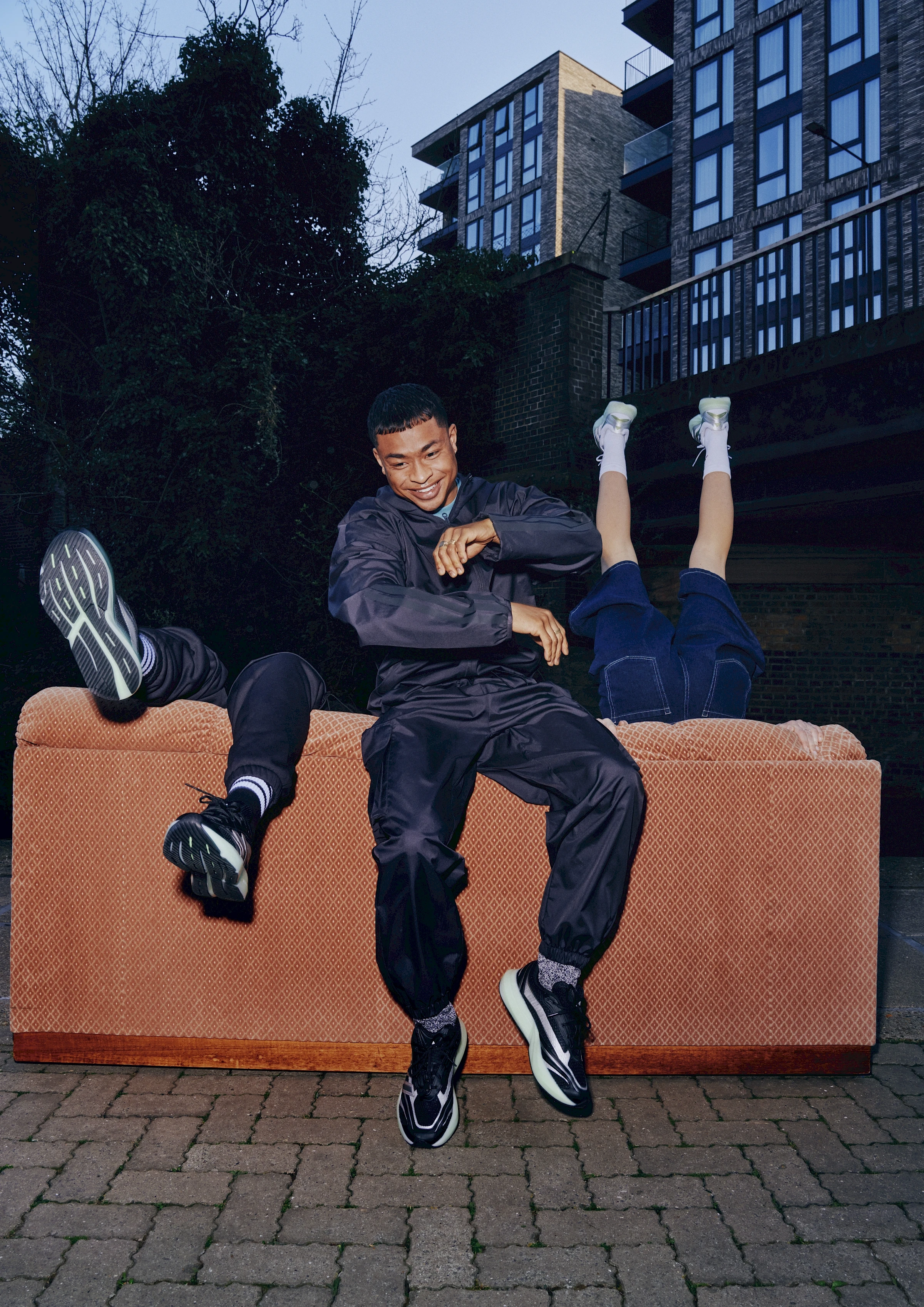
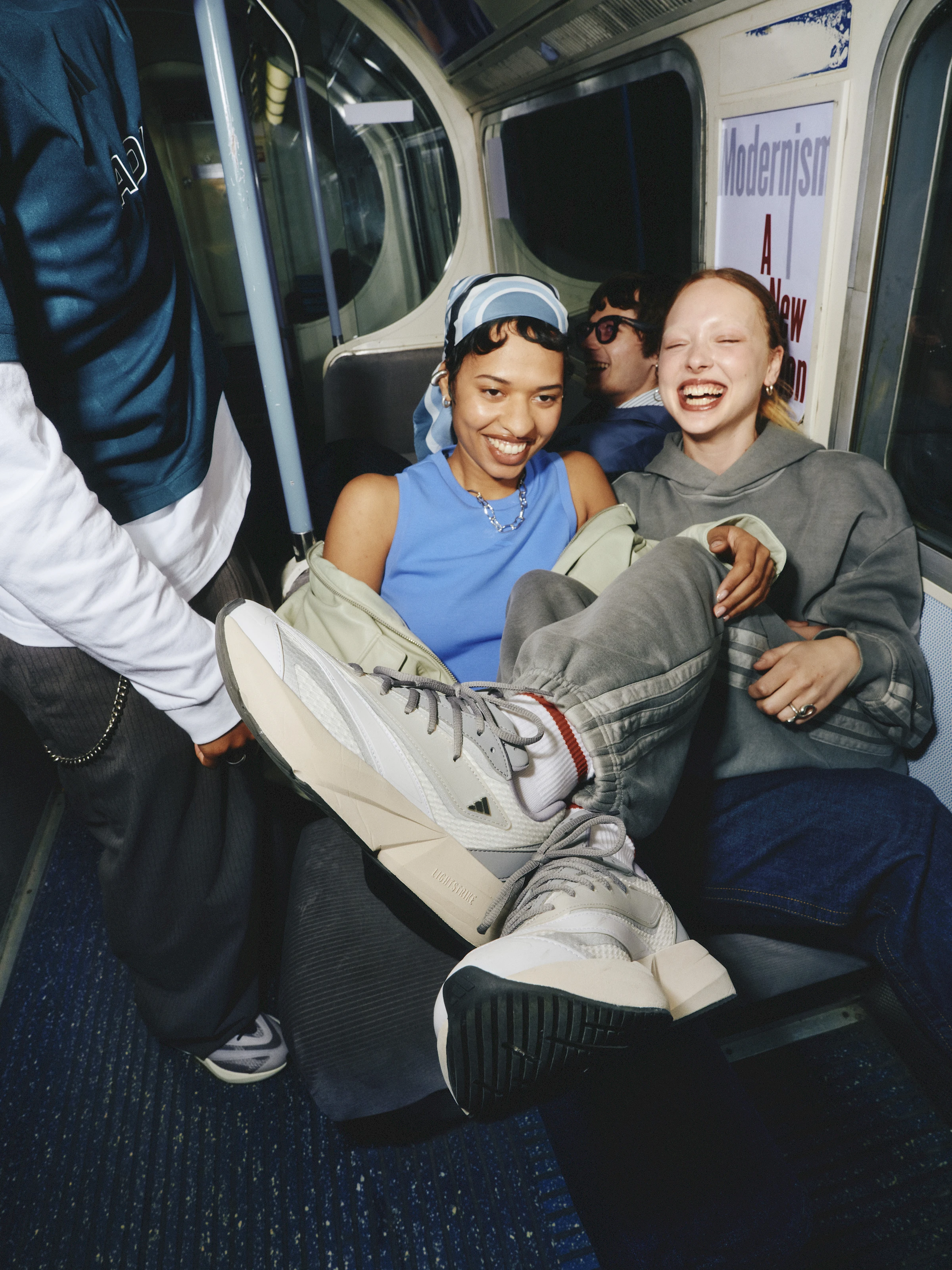
How do you stay actively engaged with visual and youth culture to keep growing and sharpening your eye, and how do you bring inspiration from film, books, art, music, and life into your work?
You need to leave the house and experience the world and the people in it. I get out there, visiting galleries, museums, and theatre. Film is very important to me. I am lucky enough to be able to travel more than most people.
It’s very important to get out of your comfort zone, and to see, watch, eat, and smell new things. People-watching is also big for me.


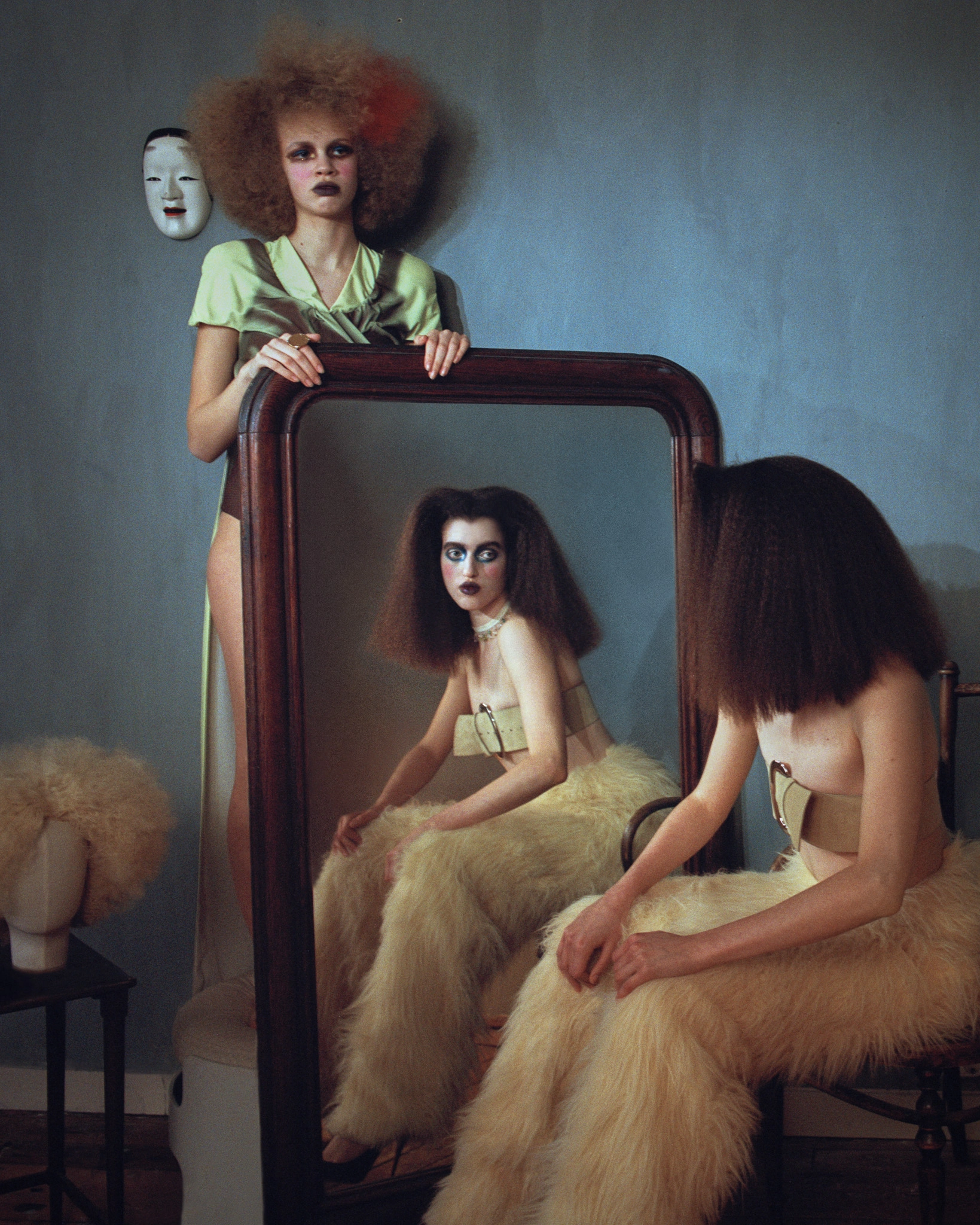
Has living and working in the US and the Netherlands, and navigating different cultural contexts, shaped your visual style and the perspective you bring to your work?
I think so, for sure. Commercial style in the US can feel a bit behind compared to Europe, but then the US has such strong iconography, so the two really hold hands for me.

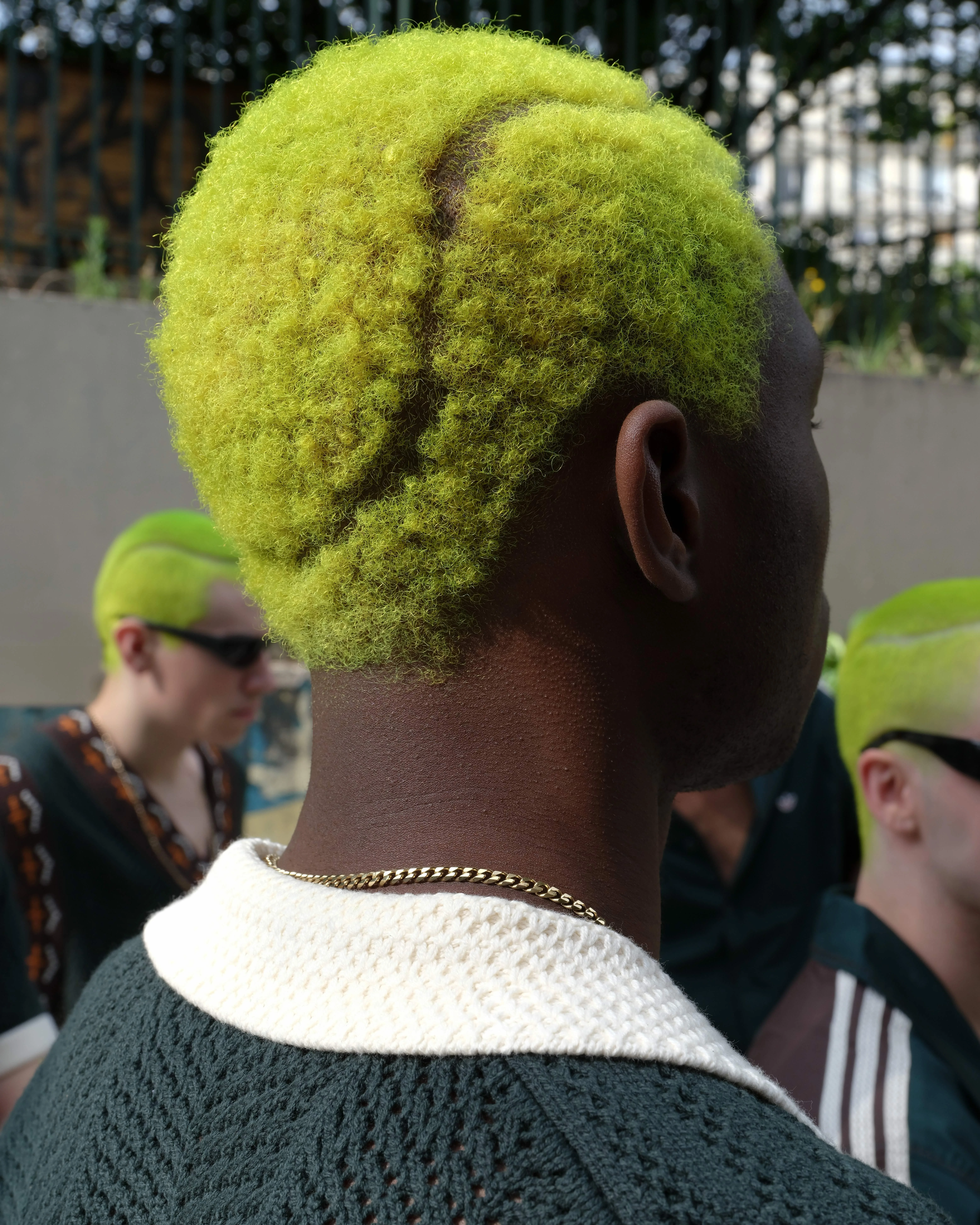
Can you take us through your current creative direction process? How do you take an initial spark, feeling, or reference and build it into a visual world that can be brought to life collaboratively with the wider team?
I work very well under pressure and with limitations. So first things first, I need to set the boundaries, and then I can figure out how to colour within them. Those boundaries can be publishing platform, budget, timeline, et cetera.
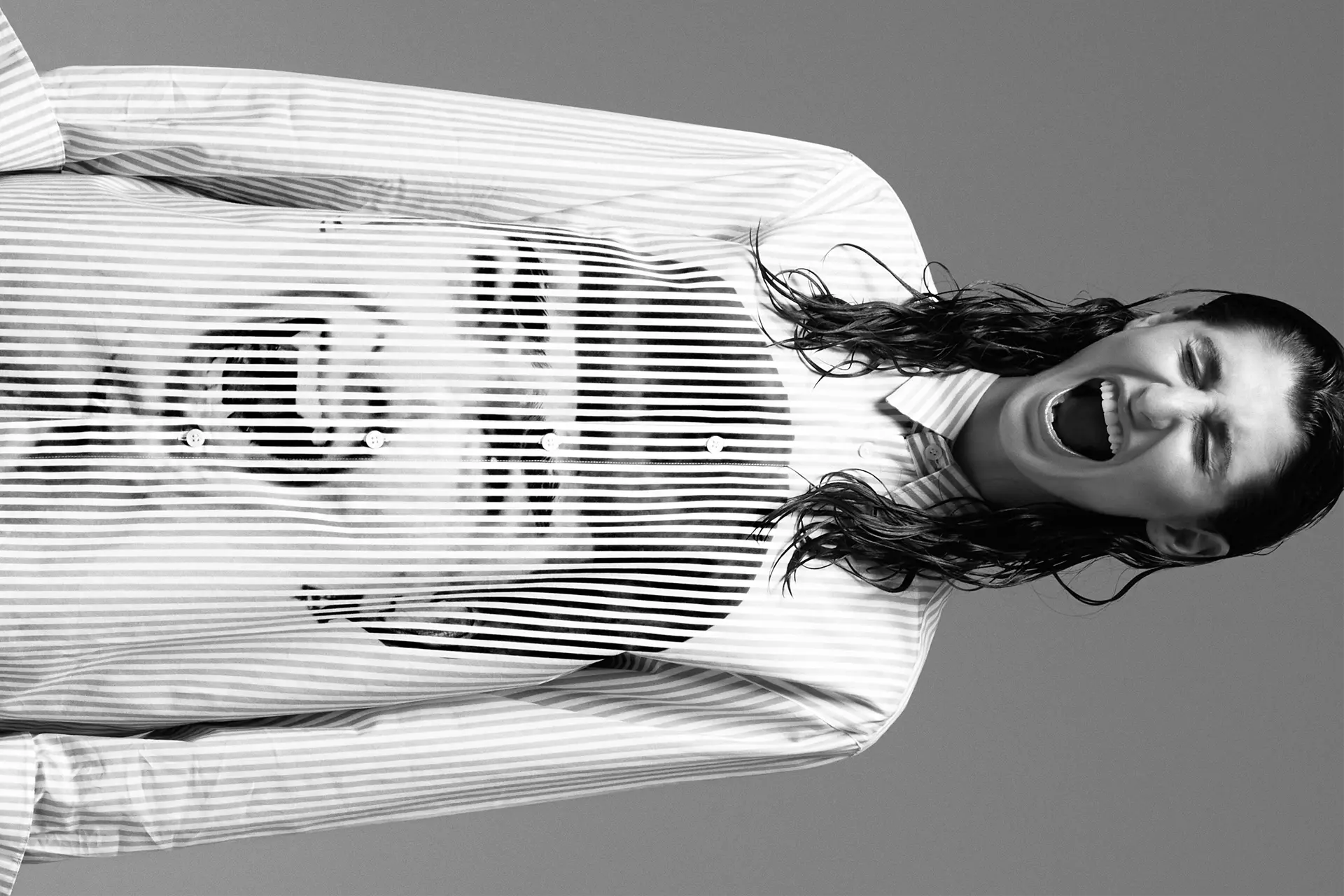
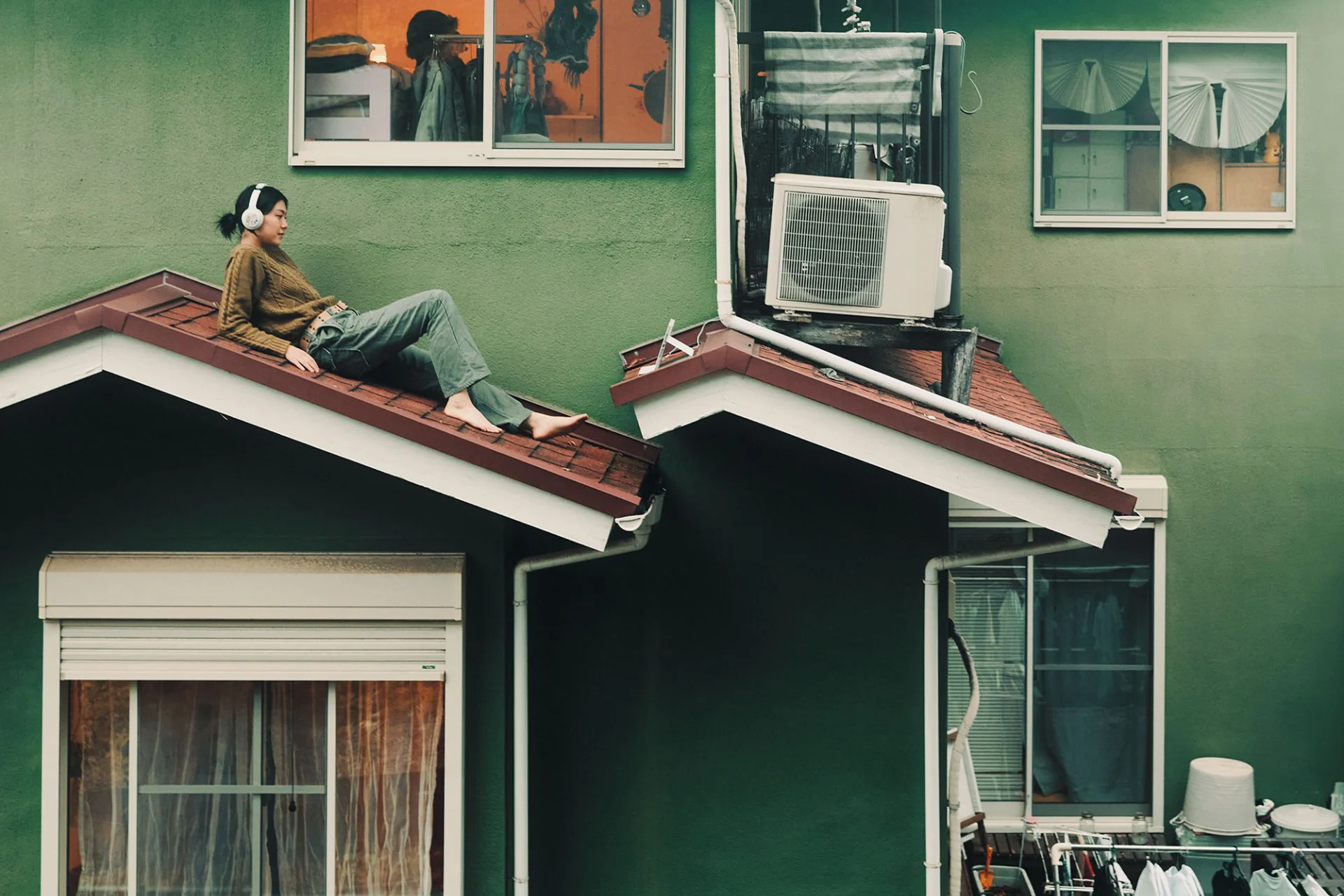
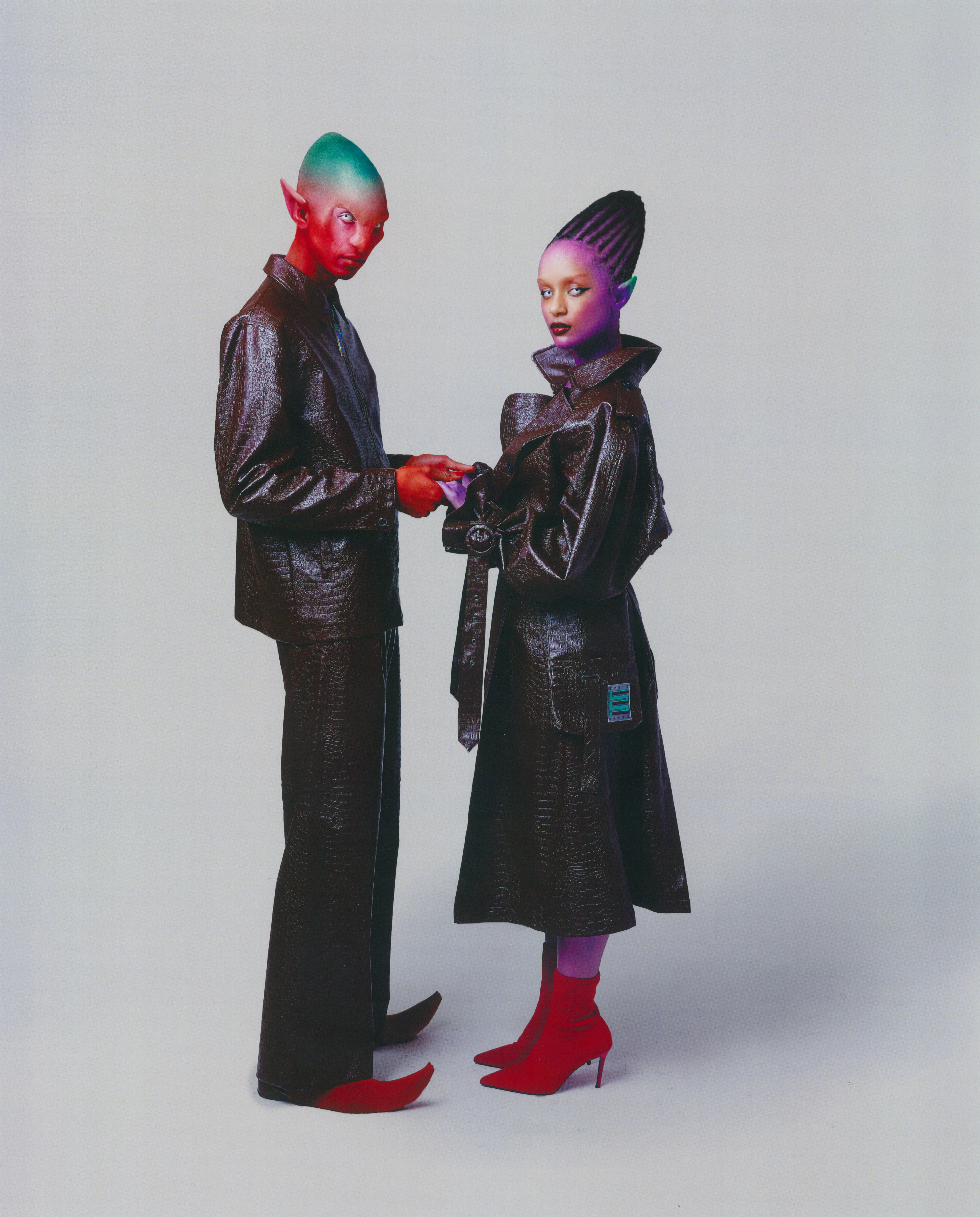
Generally, I want to make work that makes people do a double take, so there are a few things that I go back to, one of which is my fascination with uncontrolled human behaviour. Be it a shout, a cry, sadness, hysteria, anything. Maybe because the world we live in now is so conservative, and people seem to have such apathetic reactions, we can’t help but want to watch when someone is really emoting. Also, I really like bad taste and camp, but only when done right, which is a fine line that can’t quite be explained, I don’t think.
When I’m working and brainstorming or researching, I hope to get to a point where there is a little spark of imagination, usually triggered by humour, and when I feel that, I know I’m on the right track.
How do you think about choosing commercial and editorial work that feels aligned with your values, vision, and the way you want to work?
Commercial clients that morally or ethically don’t align with my values are a no-brainer. It’s just a NO.
I haven’t really experienced clients that don’t fit within the spectrum of what I do, or else they wouldn’t approach me, or I wouldn’t approach them. It’s all about balance, but I’m more than happy to jump into commercial projects, just as much as I love working on passion or editorial projects.
Once that alignment is there, how do you build trust and communicate with clients in a way that brings them into ideas that may be a fresh direction or feel unexpected at first?
Preparation is key. You need to be able to articulate your ideas well in order to have anyone believe in them. For a client to trust you, I think you just need to be consistently prepared, do your research, and be reliable.
It also helps if you really love the idea you are pitching. If you believe in the vision, they will get on board. Whoever or whatever the client may be, I try to think about what I want to make and what I like, and then mould that to fit the client. Thinking client-first usually causes creative block.

You’ve developed a bold, evocative, and confident visual language across your work. How do you approach a commercial brief to build a compelling world for the brand, drawing on cultural references, symbolism, and storytelling?
Always cultural references, but I find that my references are usually quite subversive. So, depending on the client, I might leave out parts of the context so they don’t get freaked out, and instead focus on the isolated element that inspired me.
It’s also about the way you create a deck. The graphic design is equally important as the idea. If you’re pitching, you want it to look professional and expensive. You don’t want to overwhelm or overcrowd it with too many visual references.
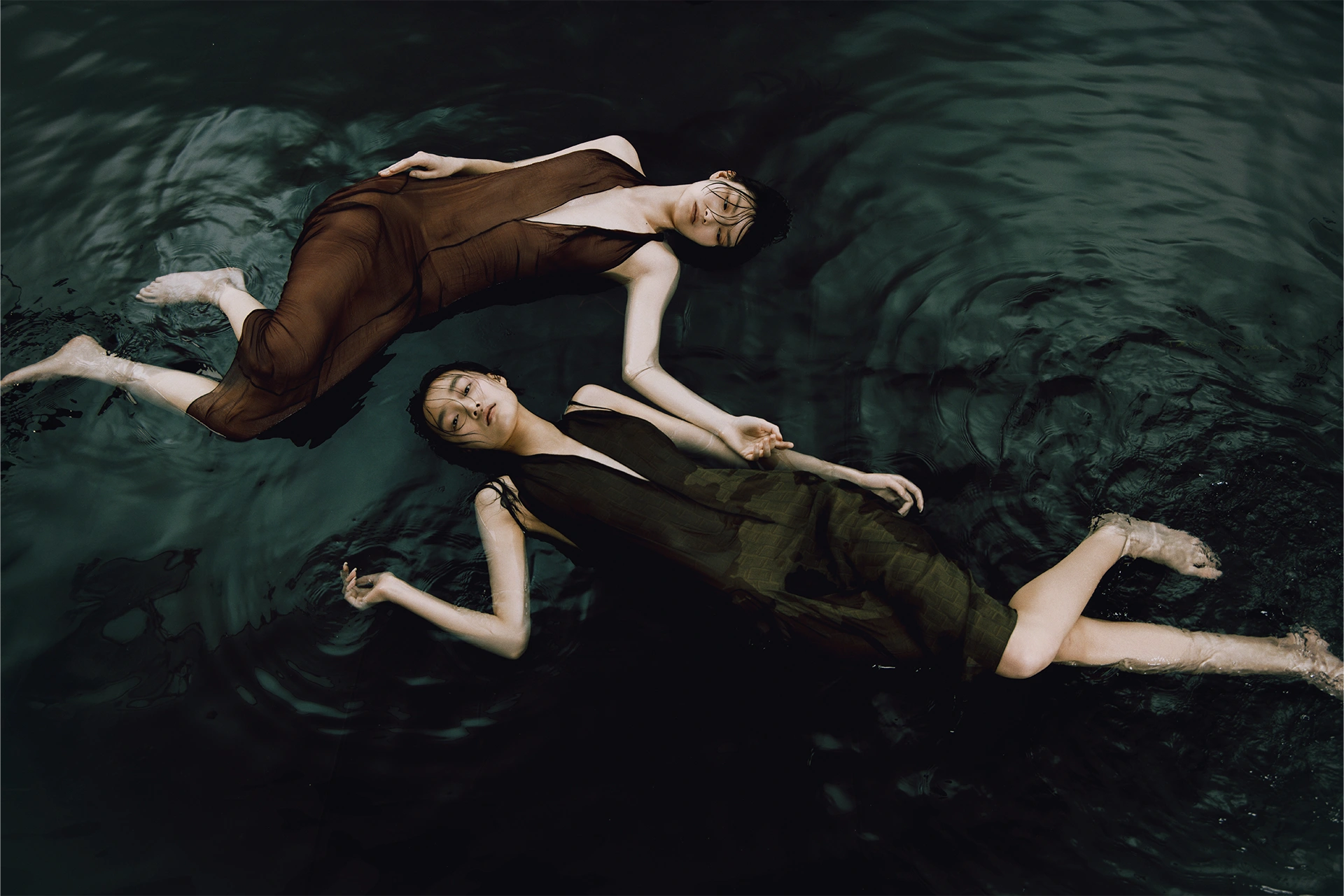
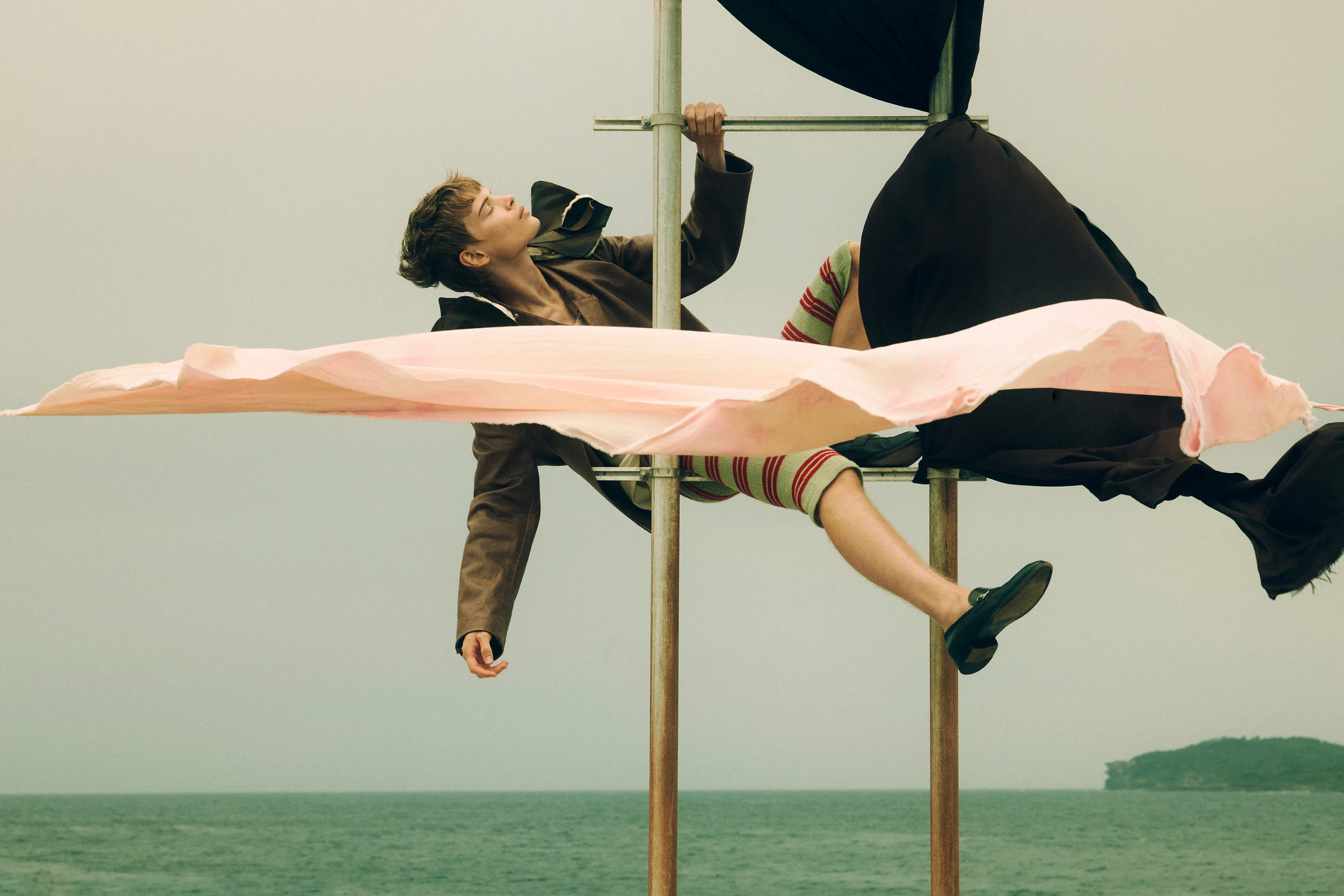
Let’s take a closer look at your work with fashion label Songs of Siren in particular, from the first campaign through to more recent work like The Siren Call. How did you help establish the concept and visual language for the brand, and how have you continued to build out that world through mythology and symbolism?
The choice to go into mythology was already in the name, Songs of Siren. I just happen to be a huge Greek mythology fan, so I understood the context of the myth of the siren.
I didn’t want to make something that screamed Greek mythology, with oceans and white flowing fabric and long hair like The Birth of Venus. You can’t really go anywhere from there, you know? You will always have the same type of imagery, and that felt boring to me.

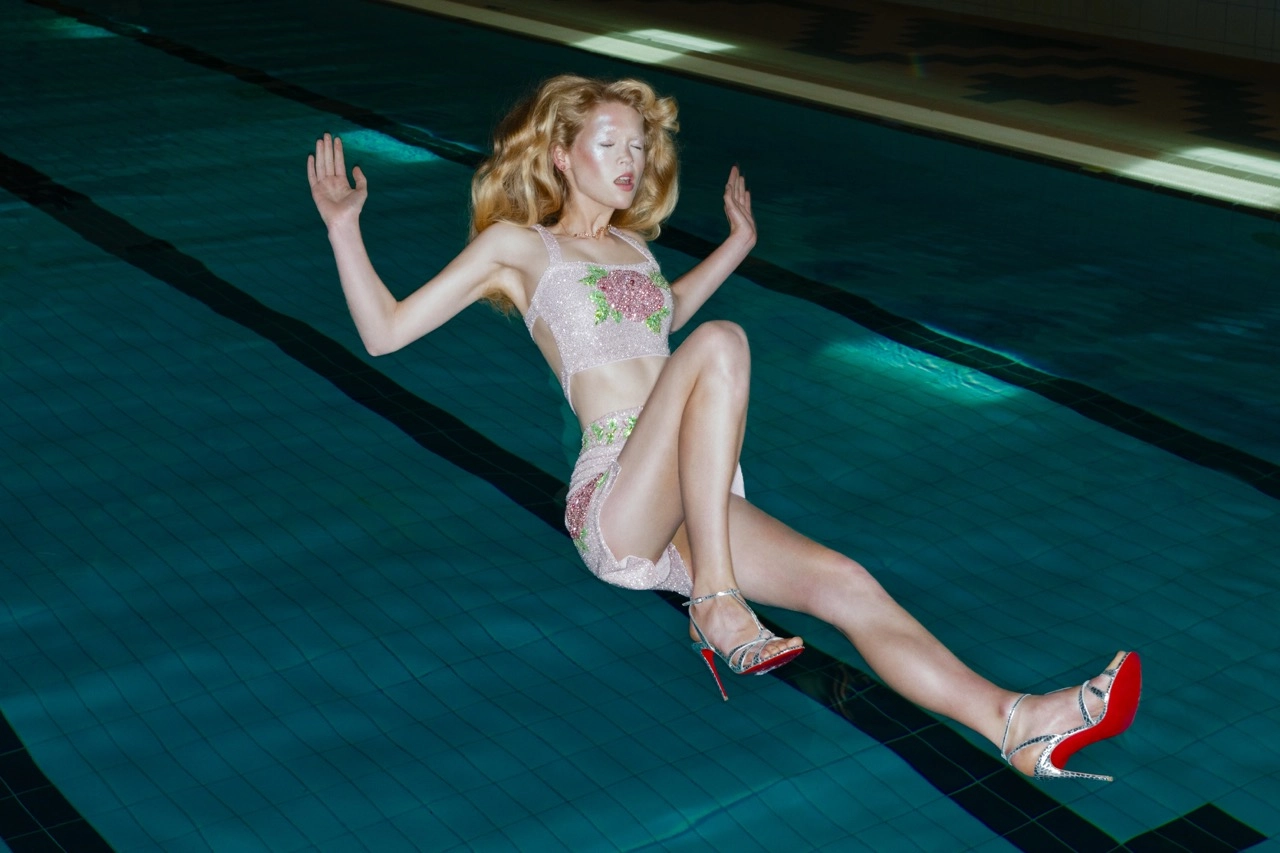
I started by taking the archetype of the siren, researching that, and placing it into modern culture, making a connection to feminism and the female gaze. For instance, the logo for SOS I designed with a tattoo artist, highlighting the siren’s rebellious side. But then, in the second campaign, we see an island and models perched as a nod to Greek myth. So I try to push and pull around the mythology.
You have a lovely creative partnership with photographer and creative director Lois Cohen, and together you’ve been making a really striking body of work. What do you think each of you brings to the collaboration in terms of strengths, instincts, and sensibility, and how do your respective qualities complement one another?
Lois and I have many of the same references and visual taste, which is quite unique. I think we also share a similar sense of humour, which has played a really big part in the work.
There’s a natural understanding, and after years of working together, there is a lot of trust.
How are you navigating an industry that is changing so quickly, from new technologies and shifting trends to the ways creative work is evolving?
In terms of trends, you need to be aware of them and embrace them to a certain extent, but not live or die by them.
New technologies like AI are a bit annoying, because a lot of people think my work has been made with AI, which it hasn’t. I was interested in learning it and tried to force myself to get into it, but it just didn’t inspire or motivate me at all. I prefer working with real people.


What feels most exciting to you creatively right now, and what kinds of projects would you love to explore next?
I really want to continue working within motion, really hone my style as a director, and collaborate with more brands and artists.