Grace Tan
Grace Tan is an award-winning writer and director based in Sydney/Gadigal. Her short films have screened at festivals worldwide, including Melbourne International Film Festival, NewFest New York LGBTQ+ Film Festival, Atlanta Film Festival, BFI Flare London LGBTQIA+ Film Festival, and more. Grace’s work is intuitive, poetic, and explorative, deeply attentive to the interplay of image, sound, memory, and emotion. In this conversation, Grace discusses finding inspiration across art forms, short film as a space for creative experimentation, honing her craft and instinct, and the community that makes a filmmaking career both meaningful and sustainable.
You’ve been building a compelling body of work in short films, while also gradually exploring documentary, episodic series, and long-form narrative. What inspired you to become a filmmaker?
I feel like the idea of becoming a filmmaker took a bit of time for me to warm up to. I grew up in a family where watching films wasn’t really a regular occurrence, and pursuing something artistic wasn’t ever really discussed. Looking back, however, I do have an early core memory of watching Titanic (1997) for the first time in the cinema. I remember being in complete awe of the scale of it and feeling something fundamentally shift within me as a kid, even though I didn’t fully comprehend it at the time. I think this, coupled with my teenage years of scouring the video store for films, is where I truly discovered the beauty of being transported into another person’s life through cinema. I think this curiosity and desire to inhabit other worlds was a feeling that never really left me, and it wasn’t until much later in life that I realised you could actually find a way to live a life making films.
What do you enjoy most about writing and about directing? What inspires and motivates you to keep going despite the countless challenges and setbacks that come with bringing a project to life?
For me, the start of an idea usually comes from a place of trying to understand a certain dynamic, a question, or trying to process a feeling. While it can often feel like a big mountain to climb each time you start a new project and go through the motions of getting it to the finish line, the level of creative satisfaction that emerges during the process, and from working with like-minded people, makes it all worthwhile.
There’s a real joy in getting to inhabit a space where you can ask the bigger questions about life, how we relate to one another, and what makes us tick. While the process is not without sacrifice, there’s something equal parts beautiful and terrifying about creating something out of nothing, putting it out into the world, and seeing where it lands.

What do you think is powerful and unique about short film as a format, and how can filmmakers make the most of its strengths?
A lot of people use short films as a calling card towards making a feature film, or as a way to showcase their voice to an audience. While I definitely think the short film format allows this, I also feel like a short film gives you a space to experiment or play with an idea, style, or character. I think, as the scale is smaller, the risk isn’t as big as a longer-form project, and this alone means filmmakers should see it as a place to try something and be okay with it not being perfect. It’s also a really great way to keep practising your craft, work with people, and better understand how you like to work.
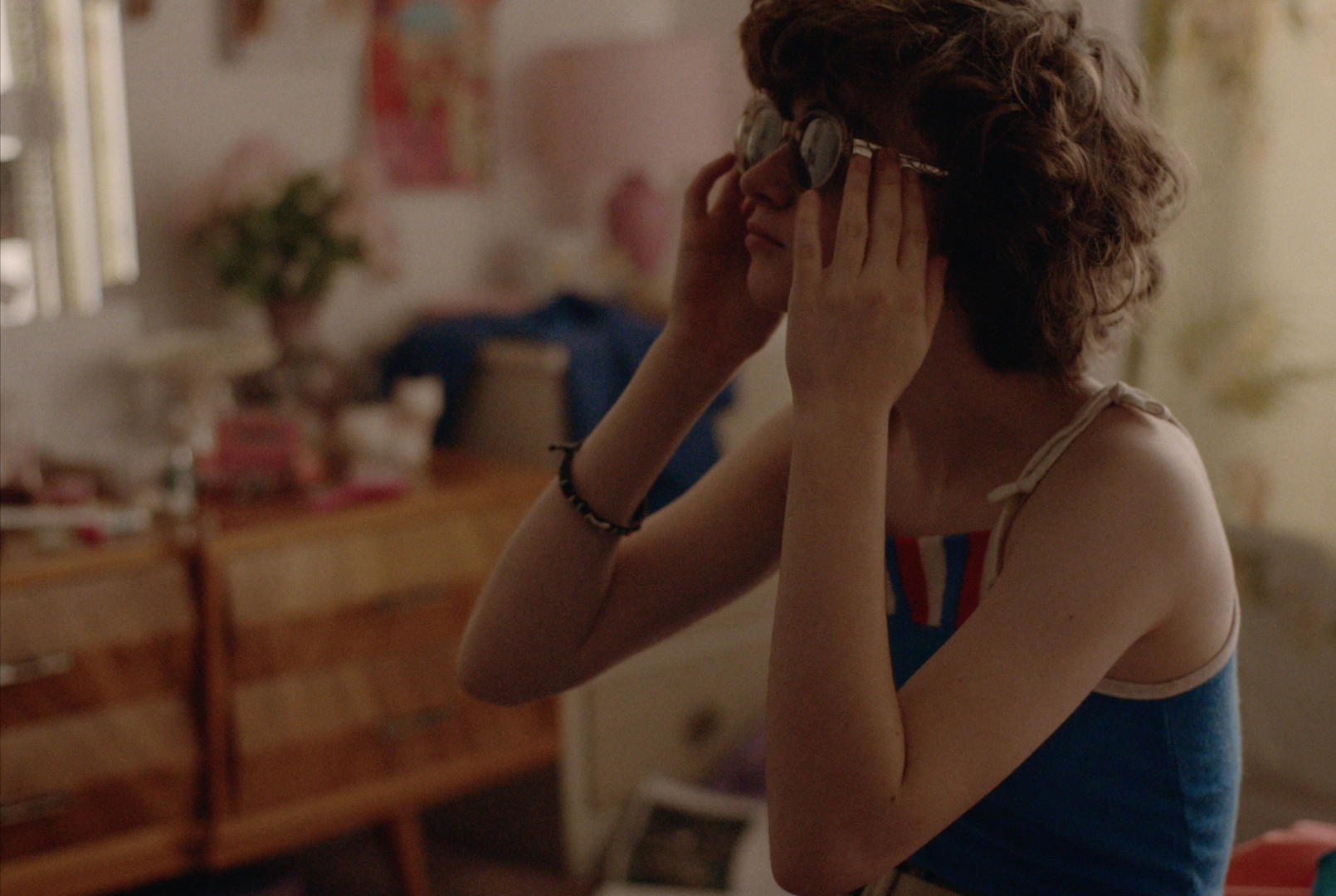
Thinking about your favourite short films, what makes a short film stand out and really stay with you?
I think what really resonates with me when I watch a short film is if I can feel it accessing or touching something truthful about a moment or an idea, and if it allows me to be completely pulled in for that short amount of runtime. I think there’s a real strength in short films that are simple, which is, of course, easier said than done. If a film makes me feel something or makes me question something bigger, I always feel like it’s succeeded in some way by making an impression on me on a deeper level.

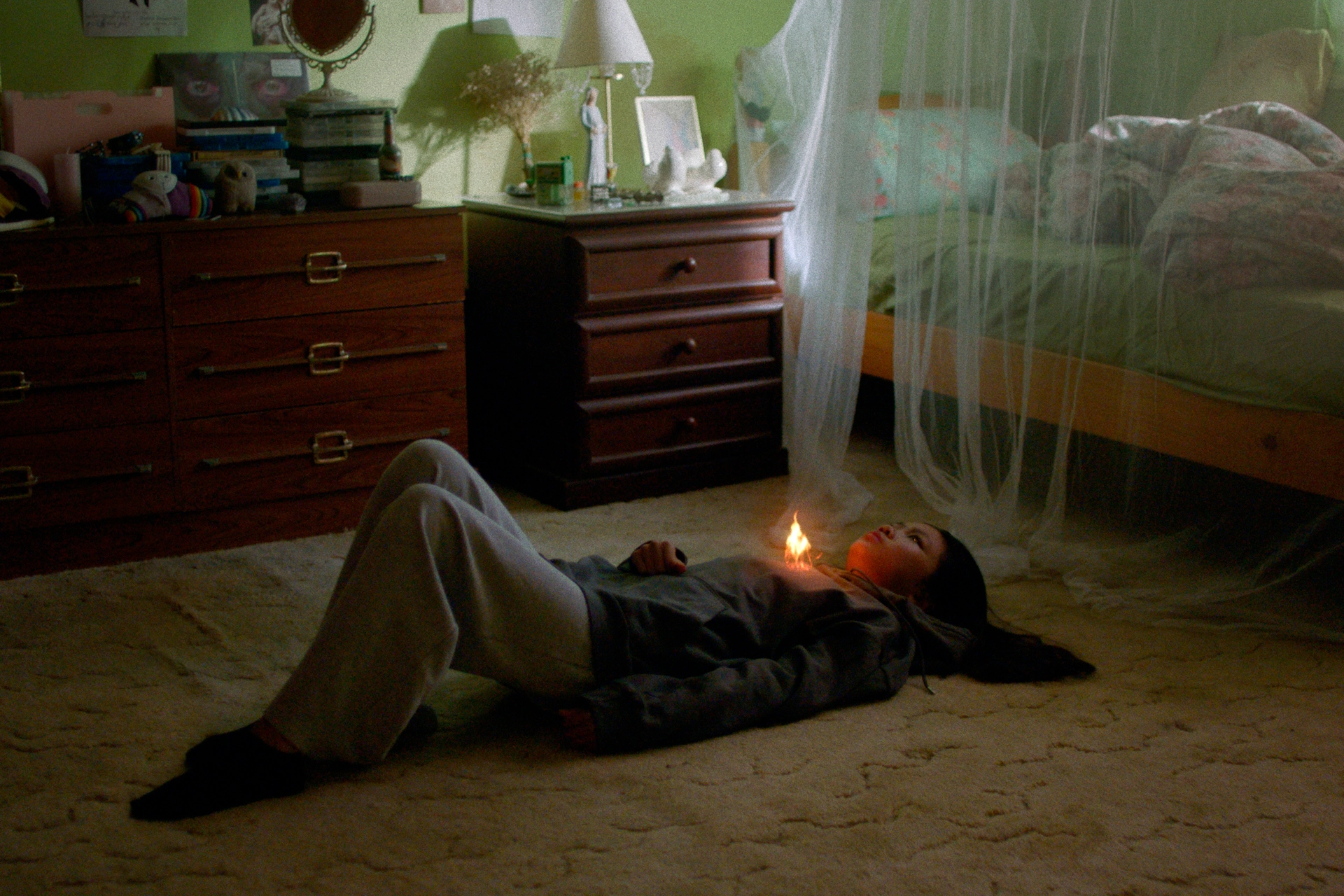
Your films draw beautifully and profoundly from other art forms, from Gregory Crewdson’s photographic series Twilight in your short film Lucky Peach, to Madison Godfrey’s poetry in Spiders On My Lashline. Do you have a process for finding and exploring inspiration from other art forms? How do you approach understanding the original work, bringing in your own interpretation, and giving it new life through film?
I think it’s always been my natural inclination to find inspiration from other art forms or the world around me. I think this just stems from a place of being open, curious, and a lover of art in all its forms. It’s really only when something moves me in a way that sparks an idea that I’ll feel compelled to create something further. Usually, when I’m working in this way and channelling my own personal interpretation or lens, I think it’s about honing in on what fundamentally touched me on a deeper level, and seeing where that leads me and how it can evolve into something new.
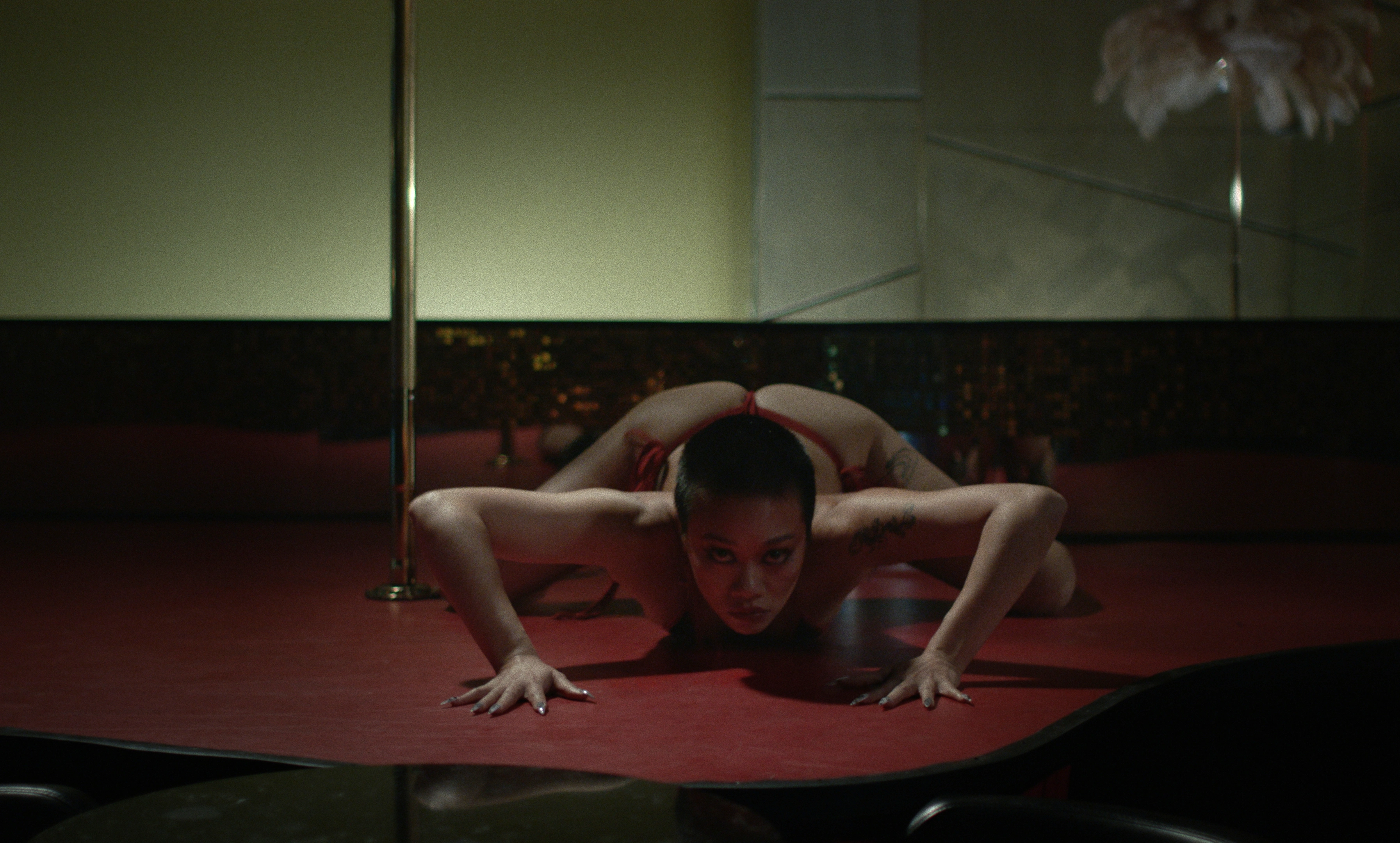

When you are exploring a community, practice, or experience that is different from yours, how do you find common ground, learn from your collaborators, and portray that world with nuance and authenticity?
If I’m exploring a community that is outside of my own individual experience, I do feel that extra level of responsibility, as it can feel like the camera creates a power dynamic. It’s something that I try to approach with as much nuance, care, and consideration as possible. With any conversation, I’ve always approached it by meeting someone at a very basic level and connecting with them as another human being. When having those creative conversations and collaborating with people, I think mutual respect is key to approaching the conversation. I feel any other approach quickly reduces any sense of authenticity and truthfulness.
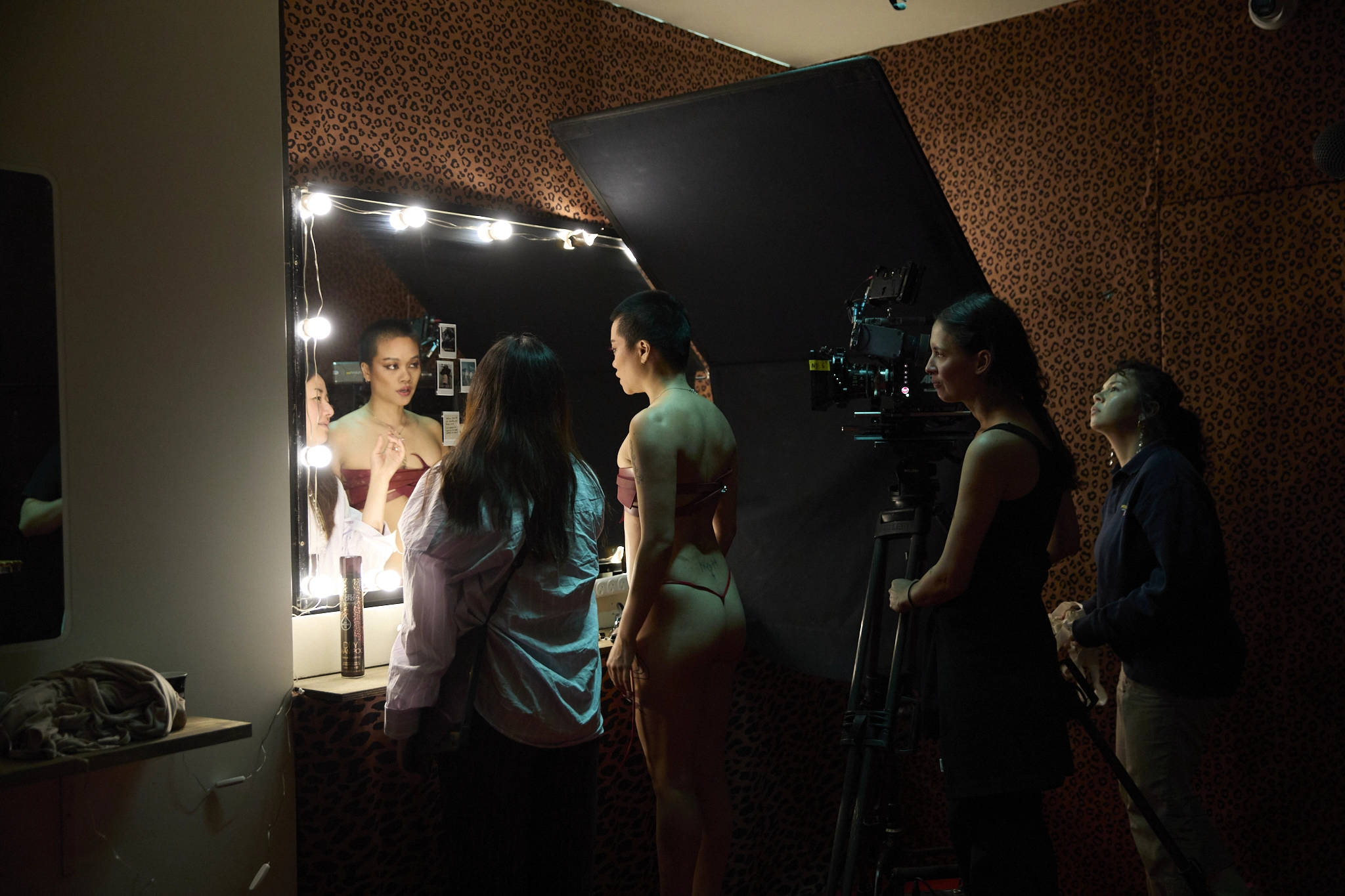
You have worn many hats across your projects, including writing, directing, producing, cinematography, and editing, particularly on smaller-budget films. What has solo filmmaking or small-crew filmmaking taught you, and are there skills, instincts, or ways of working from those experiences that continue to give you an edge?
While film is such a collaborative medium, having experienced a more solo style of filmmaking, there’s an ease in being able to move through the motions without having to communicate your ideas to another person. I think one big value in working this way is that you can really rely on intuition and what feels right to you in that moment. As film, and the process of making a film, is often out of your control, despite our best attempts to rein it in, I think all we really have at the end of the day is our intuition, and it’s important to recognise it and listen to it, as you don’t know what you might be missing out on if you’re not attuned to it.


Sound seems central to building the mood and atmosphere in your film A Daydream with Fini. How did you conceptualise and develop the sound for this project, and what role did it play in shaping the film’s emotional world?
The beauty of this project was that I came in without any idea of how the final project would come together. Relying heavily on my instincts, I allowed myself to lean into “play” rather than any formal or rigid ideas of what the film should be. While I was at the film lab, I would record sound as I walked around the towns, capturing the general atmosphere of the place and hoping I could capture what it felt like to be there. As the film started to take shape, I realised that these recordings would be an integral part of capturing the mood and atmosphere within the film. As well, when you allow yourself to try to capture a feeling state, I feel like the sound of a place will often send me immediately back to where I was, as it has such a strong connection to memory and emotion.
What has the collaborative nature of film come to mean to you, especially through the film family and community you have found along the way? How has staying connected with other filmmakers and collaborators supported you through the ups and downs of building a filmmaking career?
For me, it’s one of the best parts of filmmaking. Not only do you get to work with some really talented artists, each an expert in their craft, but you also get to really bond with people who all share their love of storytelling.
I think, as I’ve gotten older, this has become incredibly important in ensuring you have a sustainable film career, particularly in having a person to bounce ideas off, a place to vent when you’re tired, seek advice, and continue to be challenged and inspired along the way. I think when you start to meet other people who are pursuing filmmaking as passionately as you feel it, you can’t help but feel inspired to keep going. As well, you immediately feel a sense of camaraderie, that you’re not alone and there are other people to lean on.
I think this becomes even clearer once you start extending your filmmaking community to an overseas community. As cheesy as it might sound, it truly starts to feel like, despite all your differences, and even though you might have lived a very different life and speak a different language, there’s a beautiful common ground in the language of film.

You’ve taken part in several filmmaking development labs and accelerators over the years, including the Australians In Film Untapped Development Lab, the Playlab Film Lab in Mexico with Apichatpong Weerasethakul, and MIFF Accelerator Lab. What have you learned from these experiences, and how have they helped you grow as a writer and director? Were there any workshops, activities, mentors, or moments that were especially memorable?
I think keeping myself engaged and learning through film labs has really been an invaluable part of my filmmaking growth and development. Each lab and accelerator has touched on and focused on something different, whether that may be understanding the specifics of how to pitch a certain project, how to move from shorts to features, or how to really lean into the process and the ‘play’ part of filmmaking.
One piece of advice that writer and director Apichatpong Weerasethakul gave us was that whenever you feel like you’re lost, or perhaps like an outsider while working on a film, find a way to bring the personal into the film. For him, it meant including a shot of a banana leaf tree growing outside a window to help reconnect him to his home of Thailand while he was filming in Colombia.
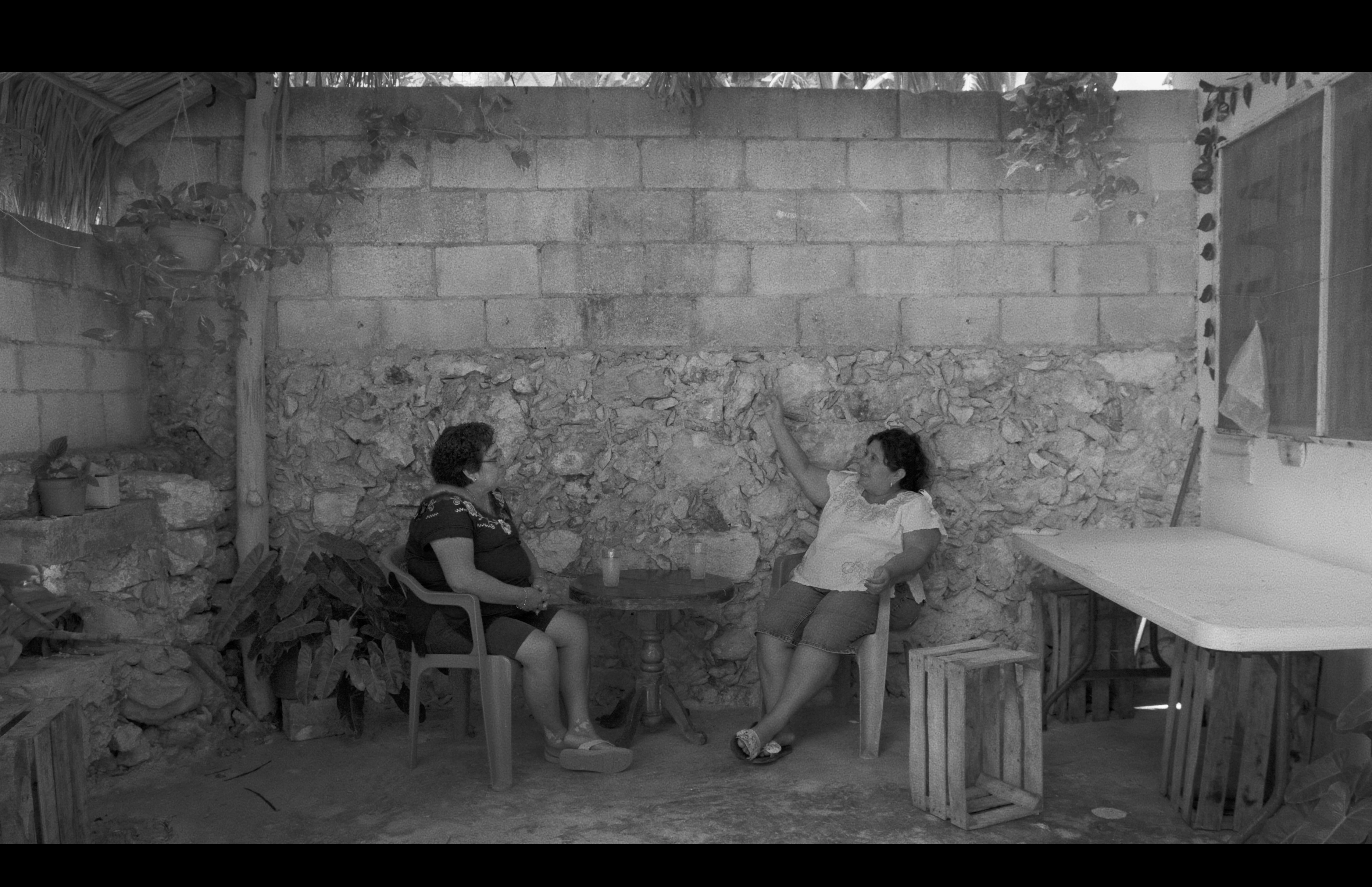
You’re in the process of writing and developing episodic and long-form narrative projects. What kinds of worlds, characters, and ideas are on your mind now, and what are you excited to explore with more time and space on screen?
Funnily enough, two particular projects that I’m currently deep in development on are closely related to twins. One of them is a feature film about twin sisters and the seismic shifts that occur when one of them returns after years apart. The other film I am co-writing with a good friend of mine, who happens to be a twin. Both of these projects draw from bigger personal themes of family dynamics, and the lengths people go to stay true to who they are against a larger force.