Stephanie Cammarano
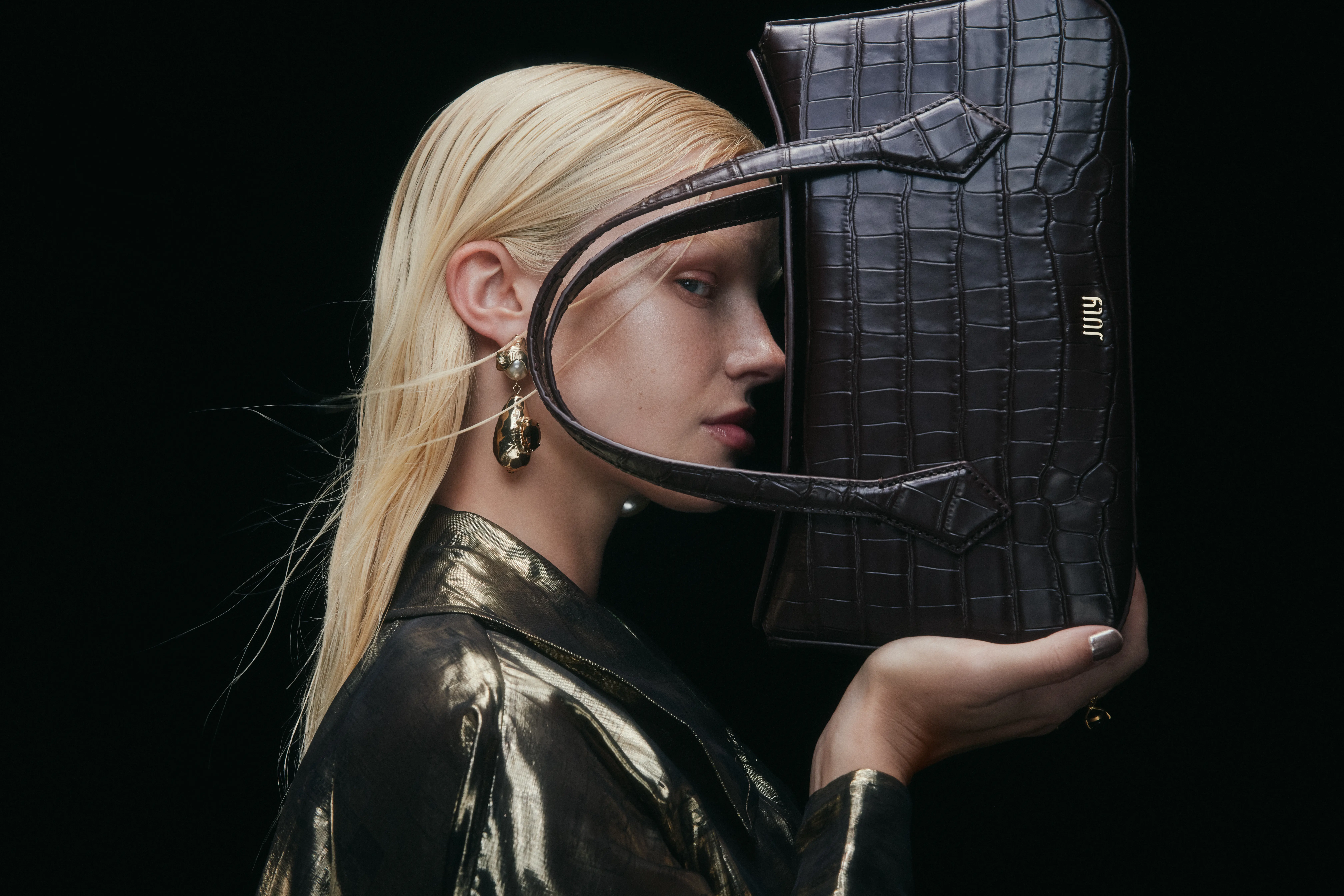
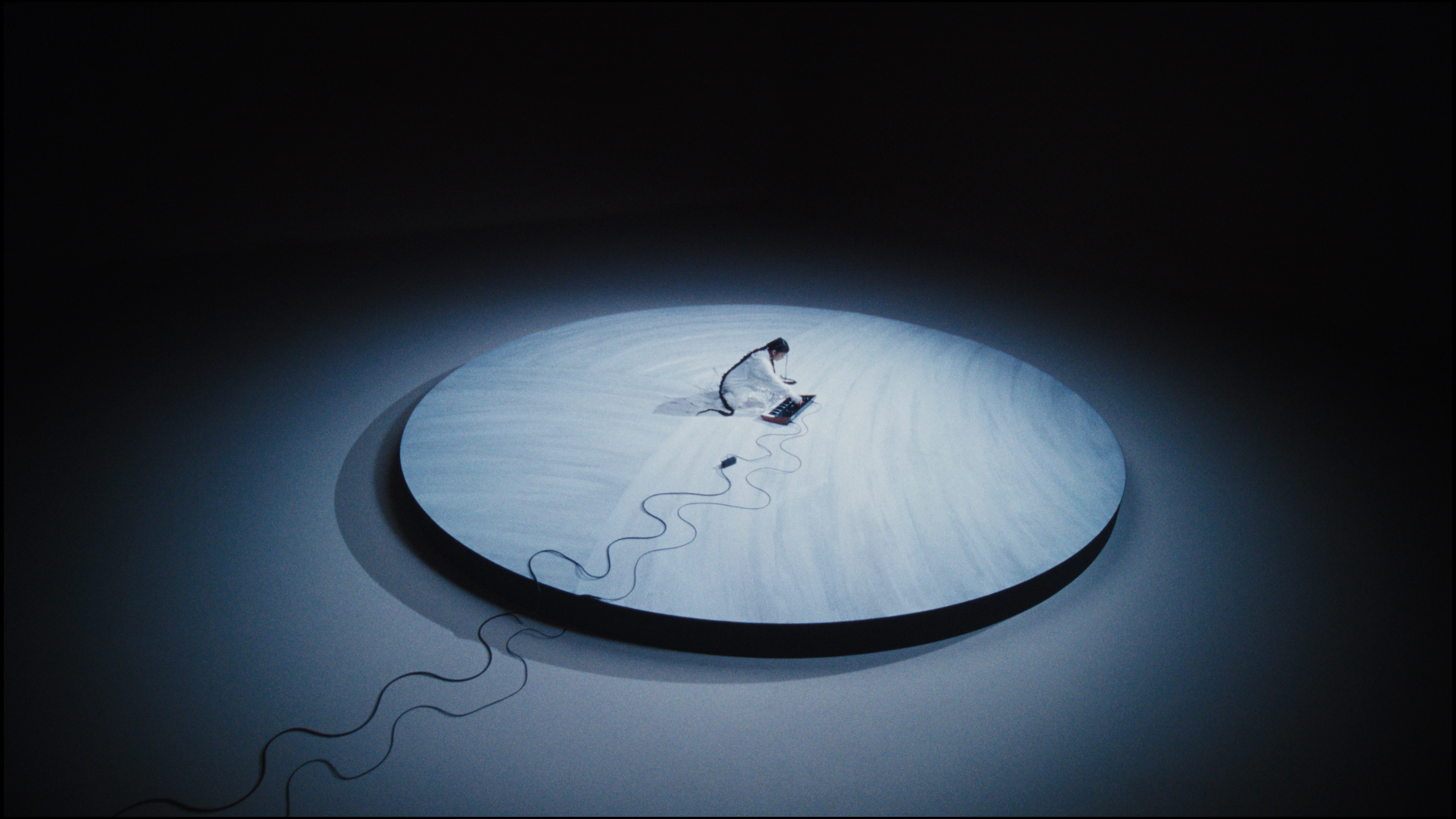
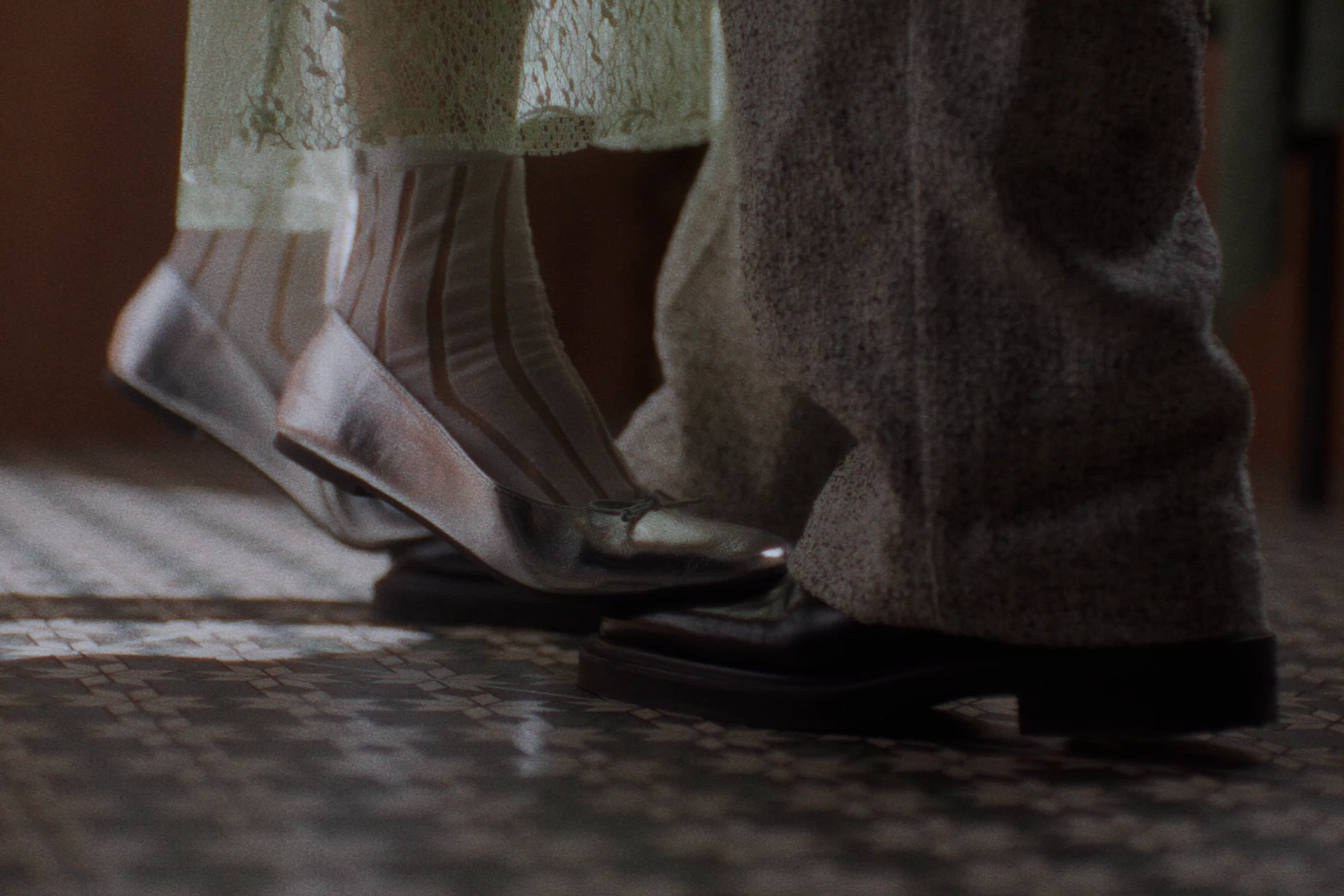
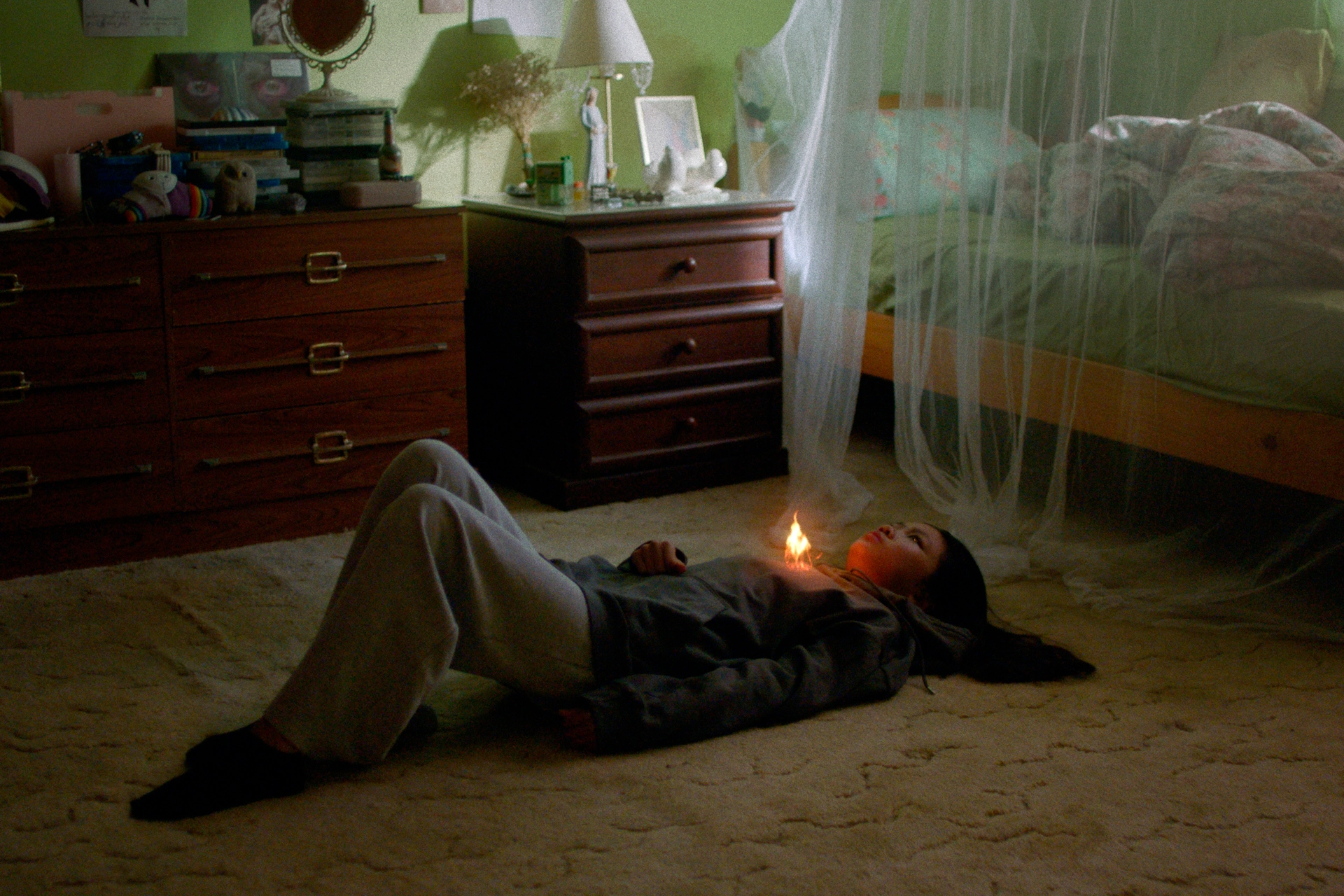
Stephanie Cammarano is a photographer based in Melbourne/Naarm, creating images with a sharp directorial eye across fashion, editorial, portraiture, and commercial photography for local and international brands and publications. Her images are instinctive and dynamic, treated with a signature muted grade that gives her body of work a distinctive tonal cohesion. In this conversation, Stephanie discusses the balance between preparation and spontaneity in her creative process, building collaborative energy on set, her experience photographing tennis champion Naomi Osaka, and what a work trip to Seoul revealed about creative culture and connection.
What do you most enjoy about being a photographer? What keeps you excited and motivated in this industry?
Aside from making images, it’s really the human connection I enjoy most. Being around like-minded creative people, documenting something together, and carving out a bit of space from the chaos of the world to make photographs just for the love of it.
What makes Melbourne’s creative community and culture special to you?
I think my favourite part of Melbourne is how supportive the creative community is. If you believe in what you’re doing and have a strong visual point of view, people will usually give you a shot. Some might disagree when I say this, but compared to other places I’ve worked, I don’t find Melbourne overly cliquey. I find Melbourne’s culture tends to value the work and the attitude behind the artist above anything superficial.
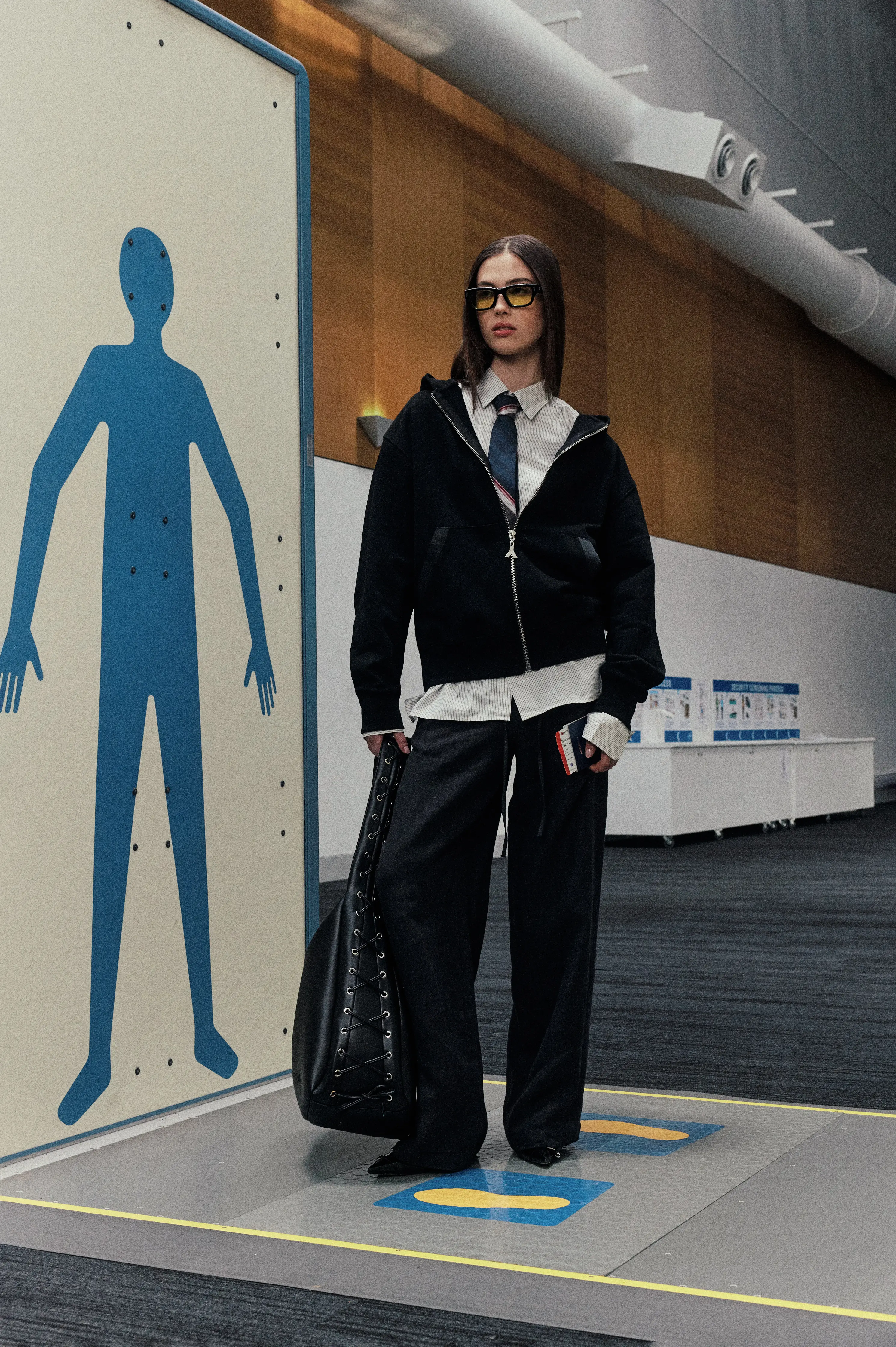
Do you like to collect inspiration constantly? How have you developed your visual sense and style over time?
Yes, all the time! I’ll still go out of my way to buy magazines and books from my favourite photographers, artists, and directors. There’s just something about seeing work on paper that resonates more, and I absorb it in a way I don’t think you can digitally. I watch a lot of films for inspiration too.
When it comes to visual style, over time, like any creative, it’s been a heap of trial and error – following what interests me, experimenting, and then probably over-analysing it all a bit too much. But through that, you start to notice patterns. You’ll look at what you’re consistently drawn to, what works, and what doesn’t. That’s really what helps refine your eye. I realised pretty early on that I’m drawn to things that feel stripped back, raw, and emotive. I respect the polished and glossy stuff, but it’s always the grittier, more honest imagery that sticks with me.
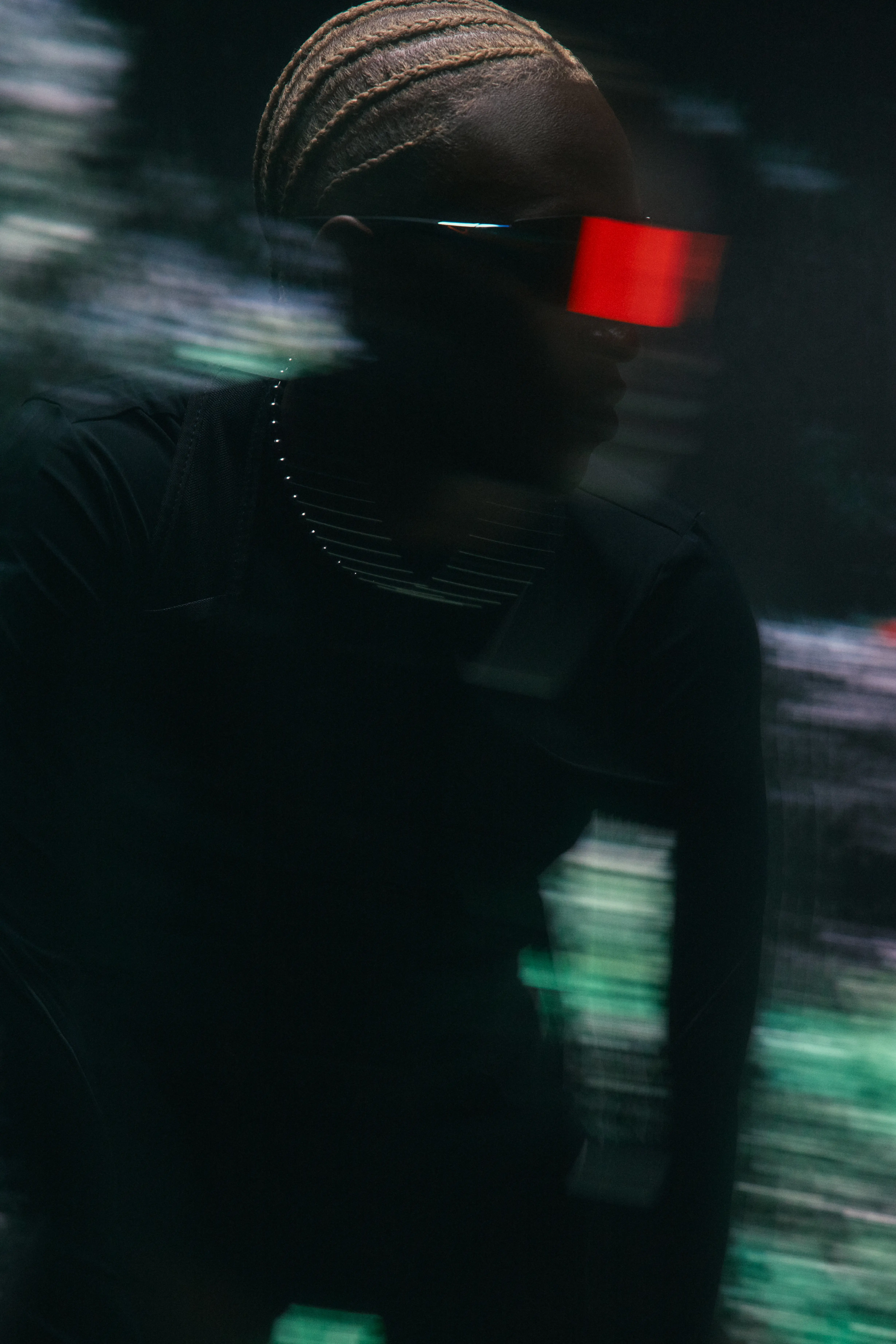
A big part of my style also comes through in how I treat an image after it’s captured. I’m a bit obsessive when it comes to pushing the grade and treating colour in a monochromatic and muted way. I can’t really put something out unless it’s gone through that process. I think that’s part of what keeps the work feeling cohesive overall.
Take us inside your process before a shoot. How do you prepare, and does that preparation free you up to be more instinctive and present on set?
If it’s a creative shoot, usually editorial or personal, I start by bringing together a team who genuinely connect with the direction. It’s important to me that those shoots feel collaborative rather than controlled, because the right team will always elevate the work beyond what you initially imagined.
I’ll come in with a clear idea, and then open it up for the team to bring their own perspective. Having worked commercially for a while, there’s also a producer side to it: building decks, pulling references, casting across various agencies, and so on.
Then on the day, I like to be prepared, but never rigid. It’s about having a strong foundation while still leaving space for everyone to respond instinctively and experiment.
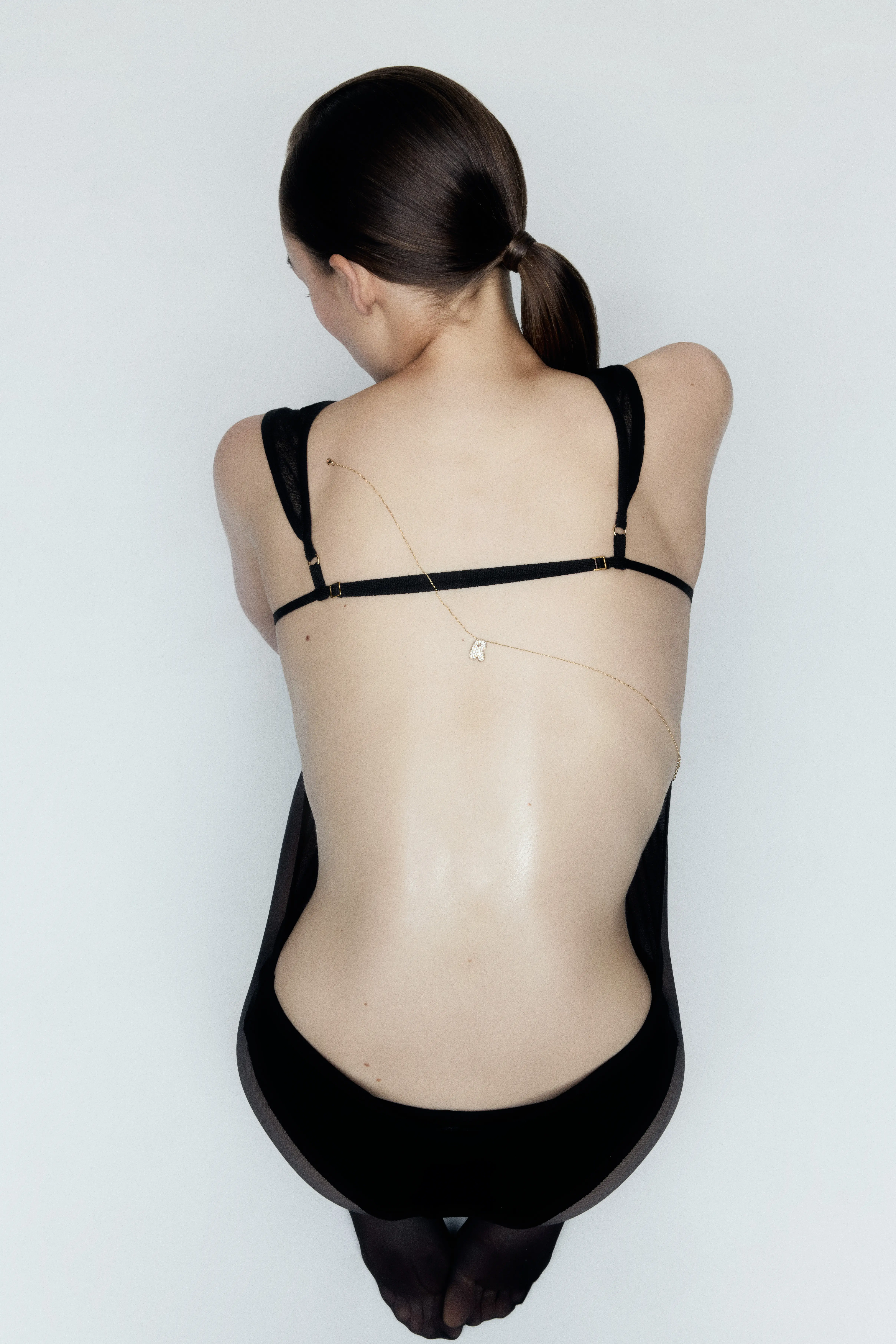
A big part of it is knowing when something isn’t working and being willing to move on too. Protecting the energy of the shoot is the most important thing to me. As the photographer, you’re there to keep things moving, but also to create an environment where everyone on set feels heard and can contribute.
What do you most appreciate about the teams you’ve built around you? And what do you need from your collaborators to do your best work?
The first thing I appreciate is just how exceptionally brilliant these people are. Their eye, years of experience, finesse, approach, passion, and care. From makeup artists to stylists and lighting technicians, when you bring the right team onto a set, you can feel people genuinely excited about what they do, and it’s infectious. I am so appreciative of the level of skill creatives have, and of being able to walk onto a set knowing that our models will be taken care of and feel safe with a team who know exactly what they’re doing. That’s how I can do my best work.
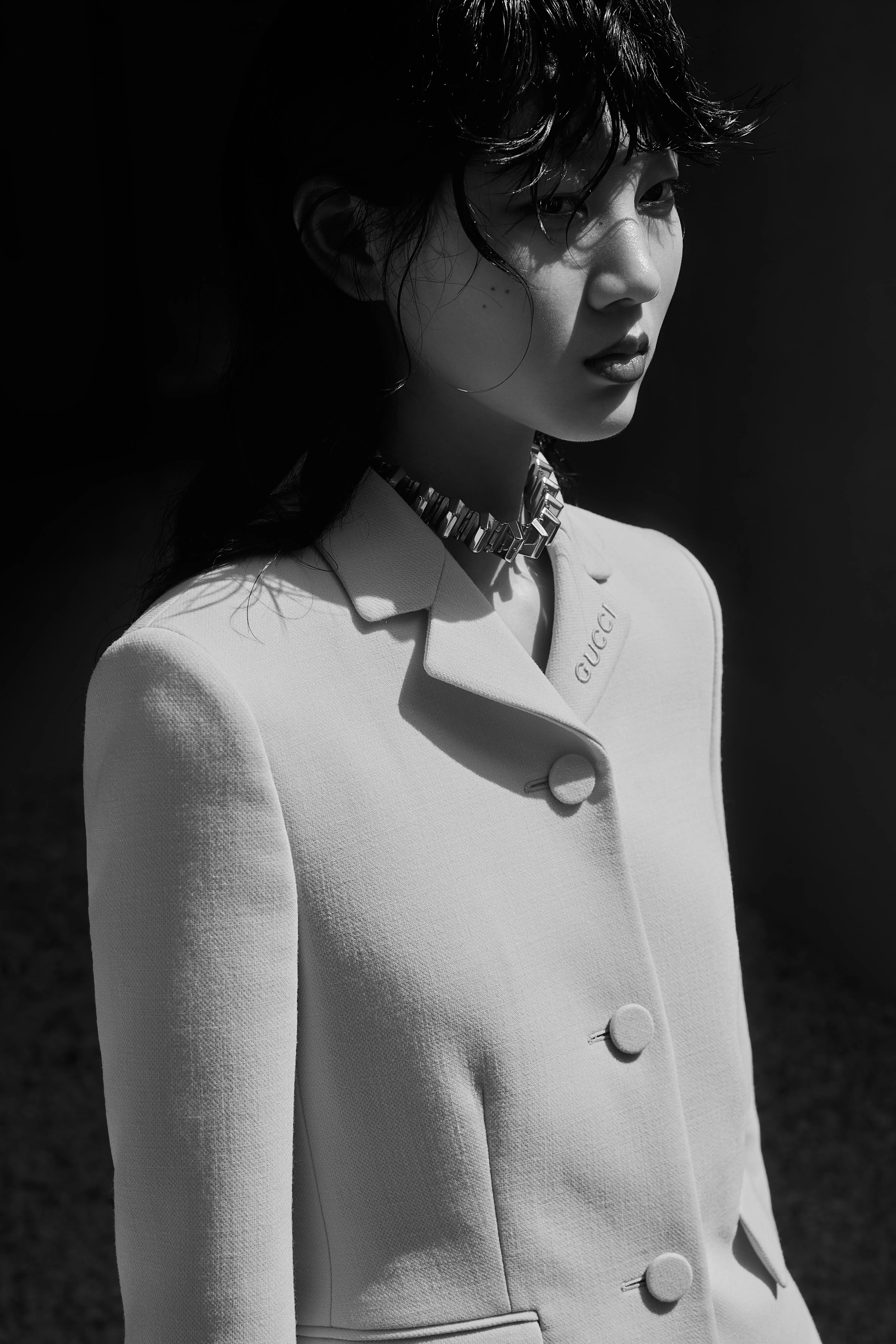
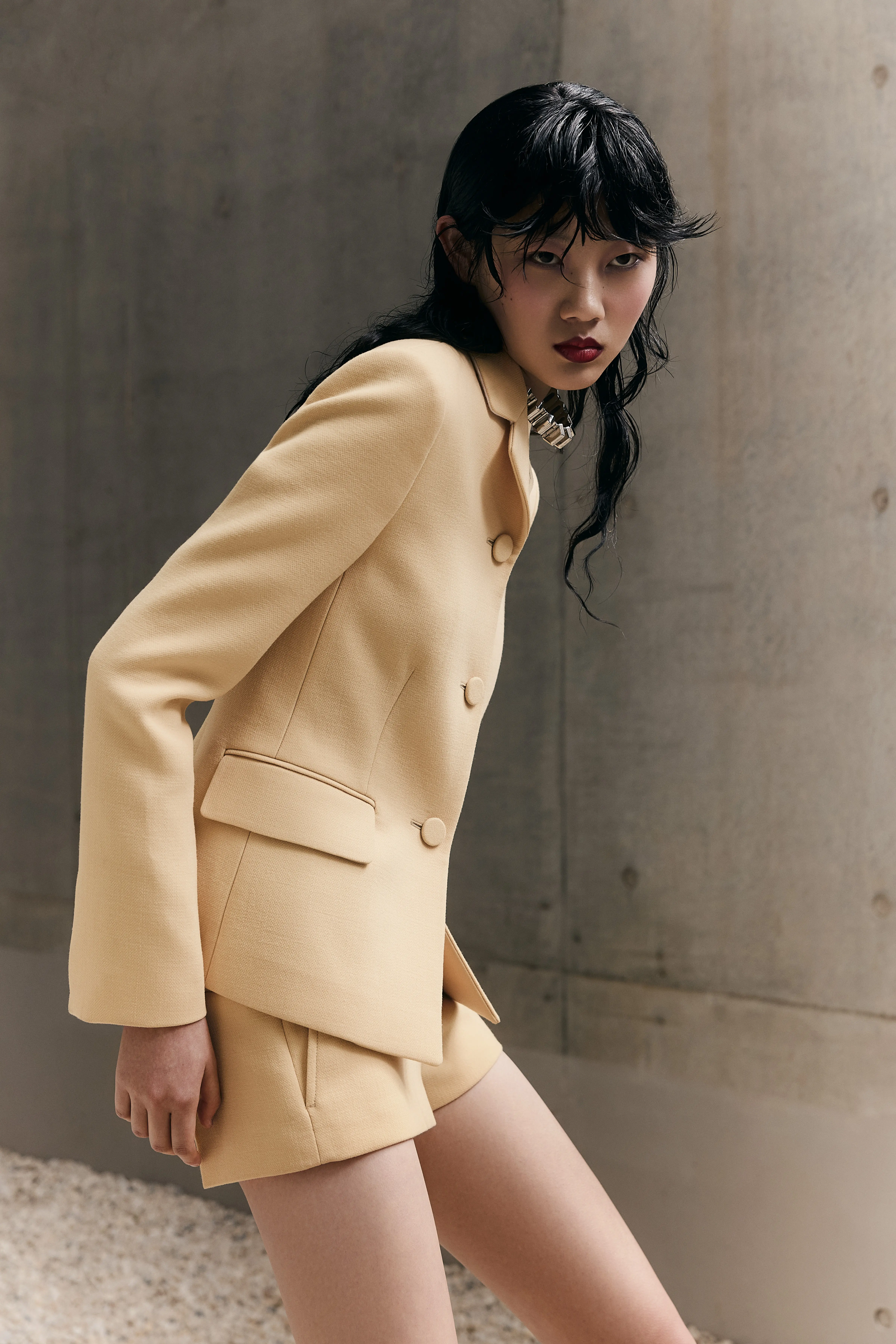
You capture an incredible, dynamic energy in your images. What do you look for and focus on to make an image feel alive?
That is really kind, thank you! I can’t take full credit when you’ve got an entire team making that happen. It is sincerely just an energy thing. I try to build a genuine connection with the talent in the time we have, making sure they feel comfortable, understand the direction, and can bring their own personality to it. I’ll usually take a moment to understand their strengths as well – their interests, past work, or something in their background that informs their movement on set.
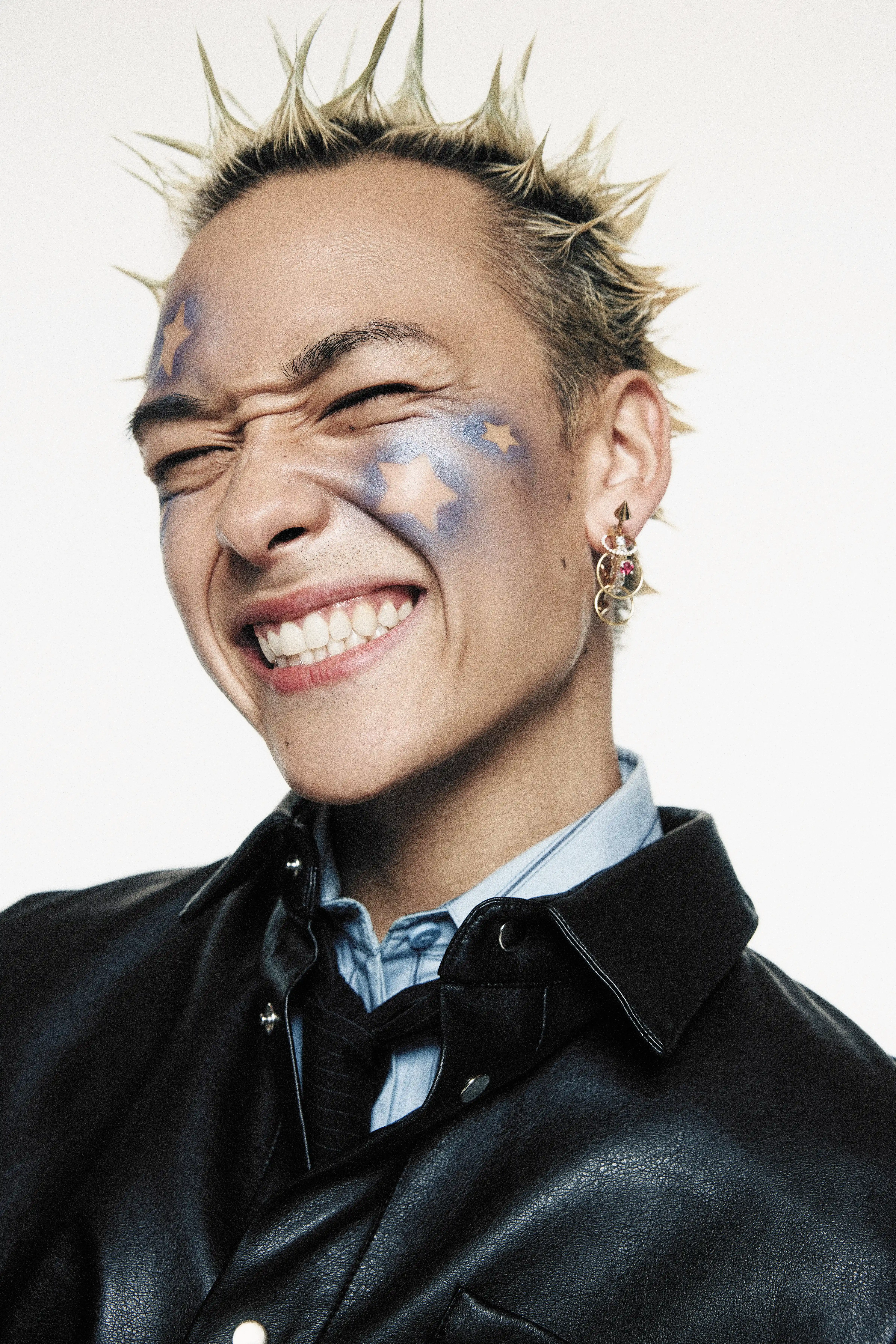
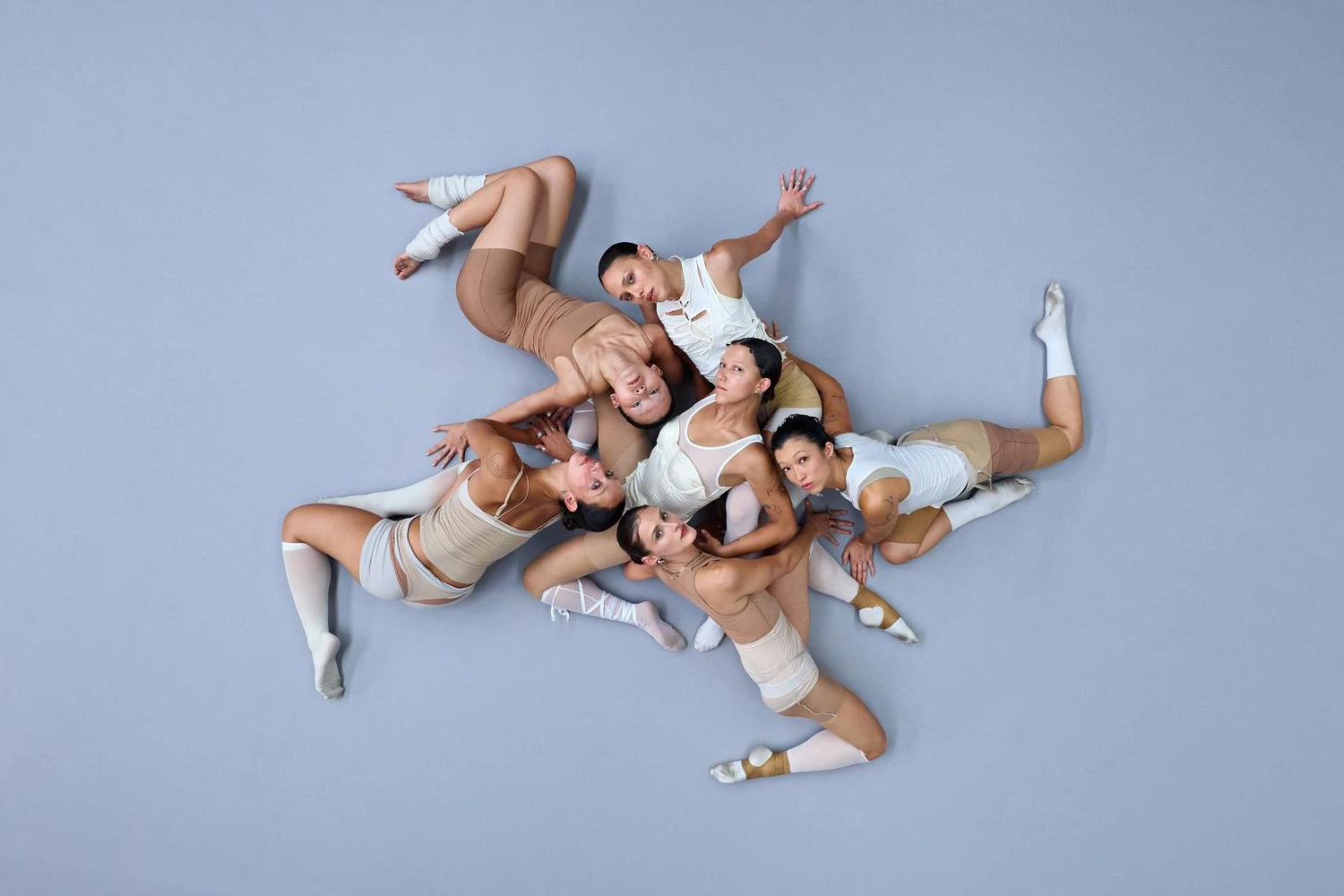
From there, it’s about the atmosphere on set: good music, open communication, and keeping things collaborative. I’m quite vocal as we shoot, and we’ll often review things together and check in as a team. I focus on working with the talent and encouraging their movement. I try not to overdirect, but just guide at the beginning. Often, the image that becomes “the one” is created by allowing space for the model to do their thing and find their rhythm. And once we have it, I make sure we move on rather than overshoot.
And in a similar vein, how do you keep commercial work feeling distinctive rather than generic?
If I’m being honest, sometimes you’re working to a fairly rigid brief, and your job is simply to deliver what the client needs without any ego. That said, they’ve still come to you for your eye and your approach, whether that’s your overall aesthetic, how you engage with talent, your treatment choices, and so on.
To keep it from feeling generic, I look for ways to elevate it through lighting, the final grade, or small creative choices that make it feel punchier. In pre-production, I’ll often make suggestions around approach, casting, and so on. I’m always happy to do what I can to treat a commercial project as if it were my own, with the same amount of care, while finding enough flexibility to still fulfil what the client needs.
So it’s really about finding that balance – delivering on the brief while still bringing your “handwriting” to it.
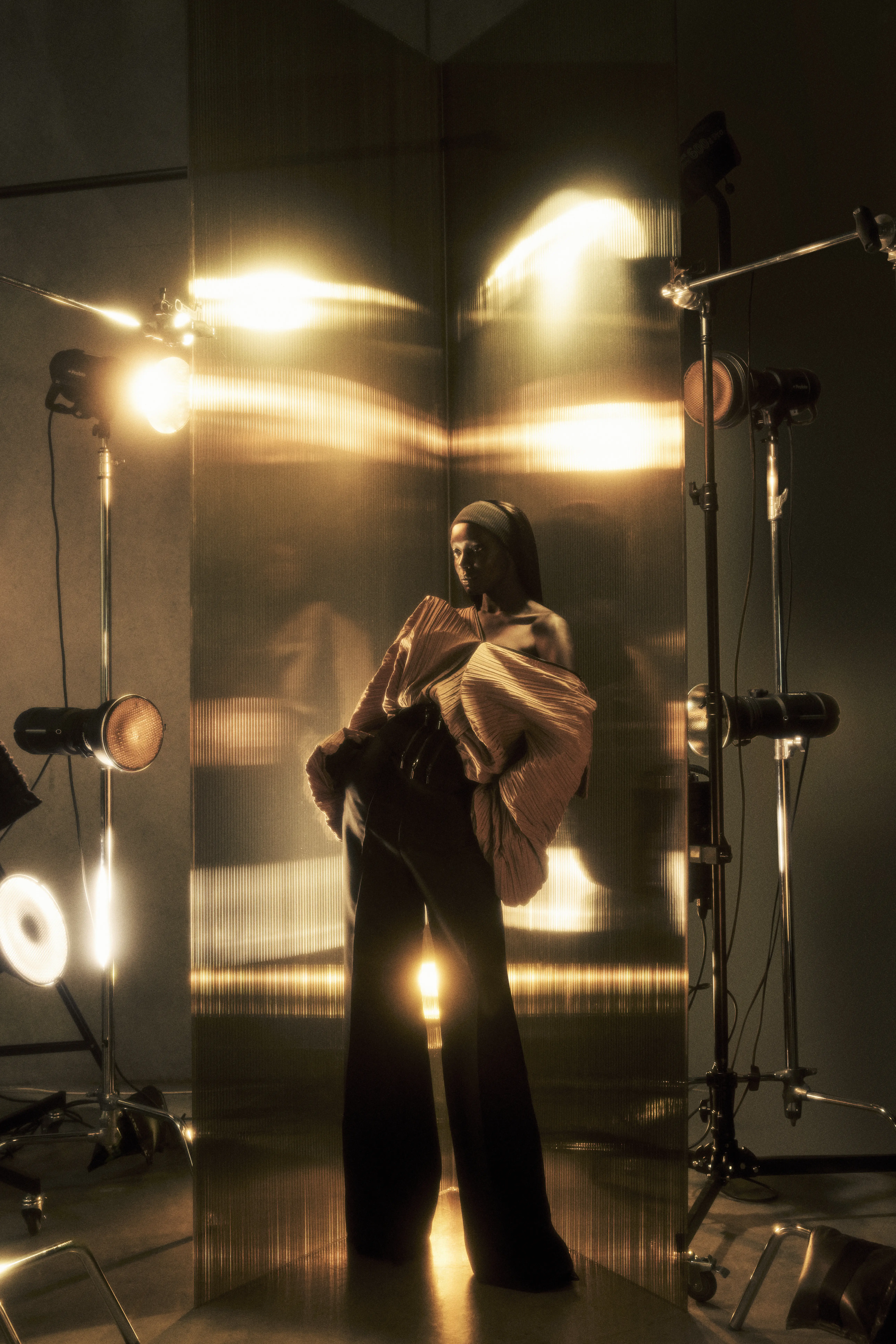
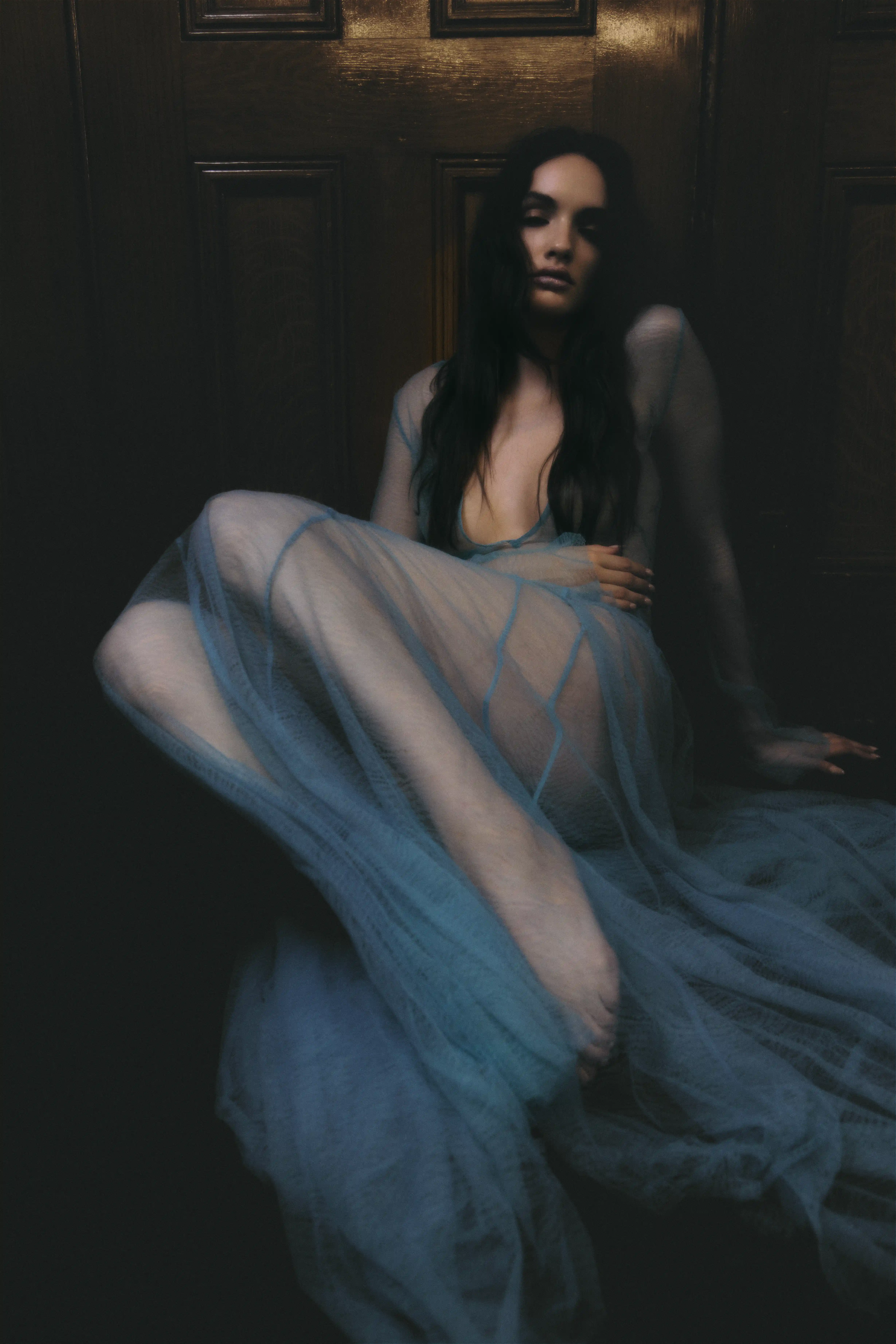
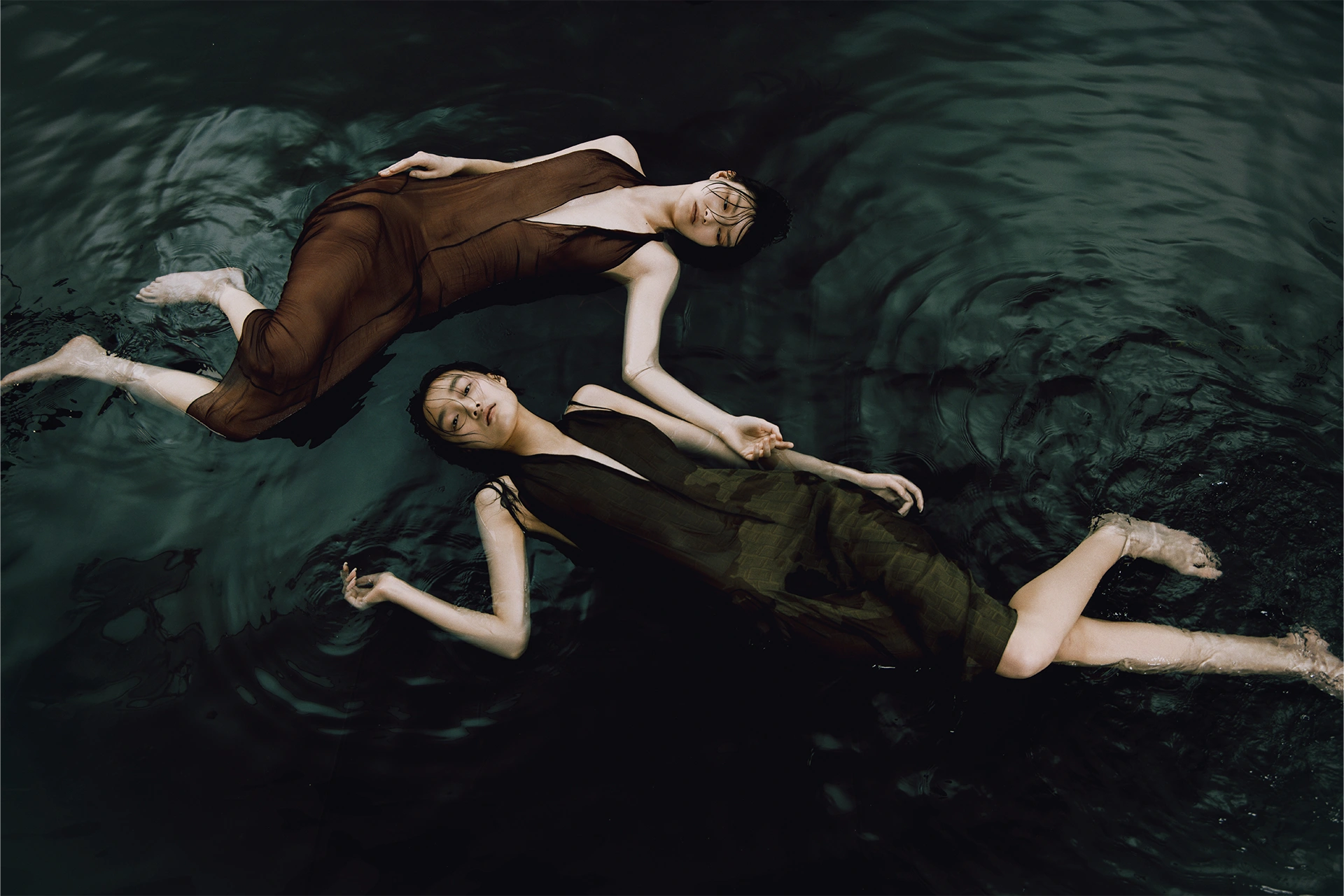
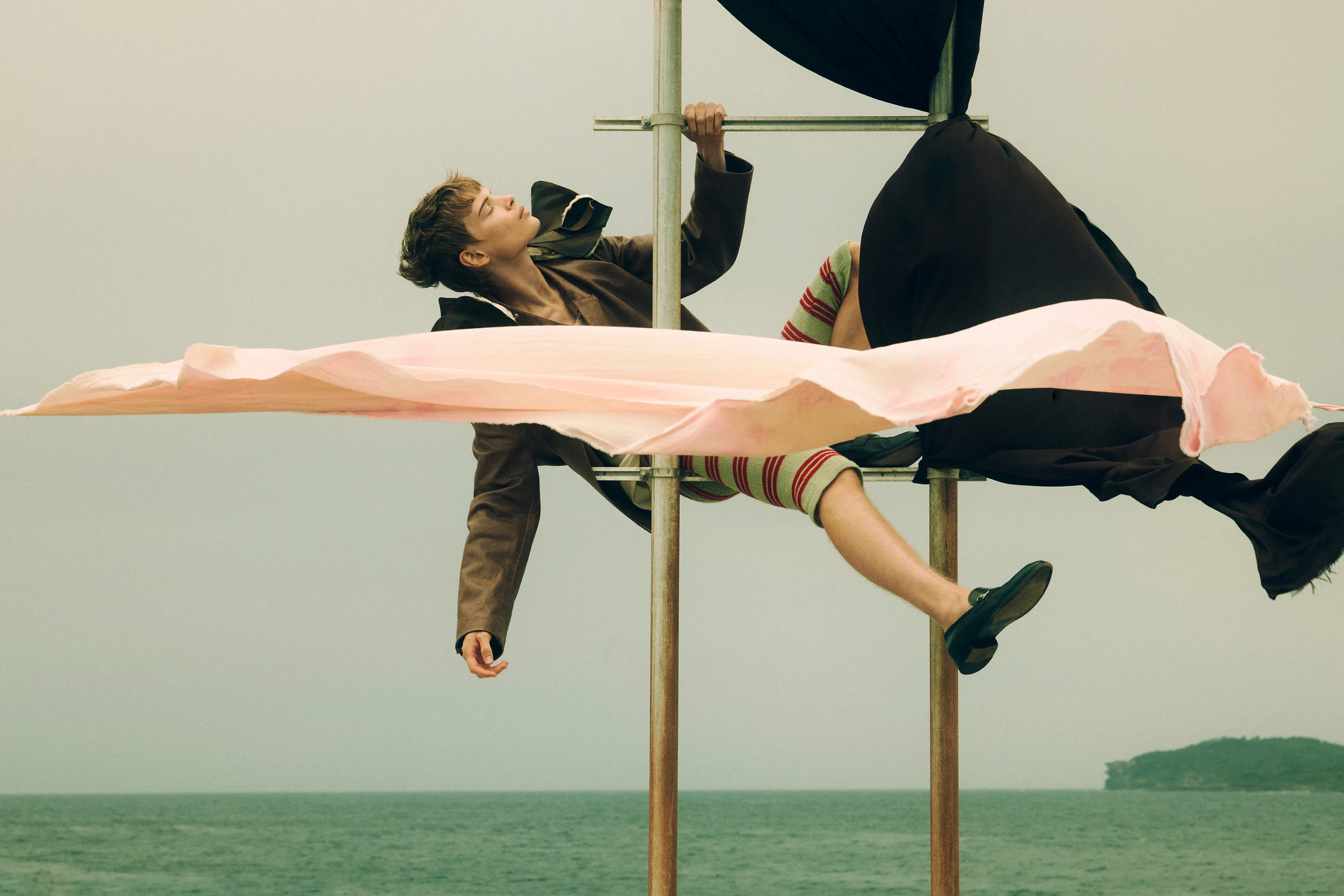
What was it like shooting in Seoul for Cover Three’s Scenic Route editorial? What did you get from this experience, and what did the city bring out in you creatively?
Seoul was an incredible place to shoot. There’s a real sense of calm and respect in how people move through the city. Everyone is kind, but very much keeps to themselves. It was also my first time really feeling a language barrier on set, so having our model Lim there to translate was invaluable. She made the whole process feel effortless.
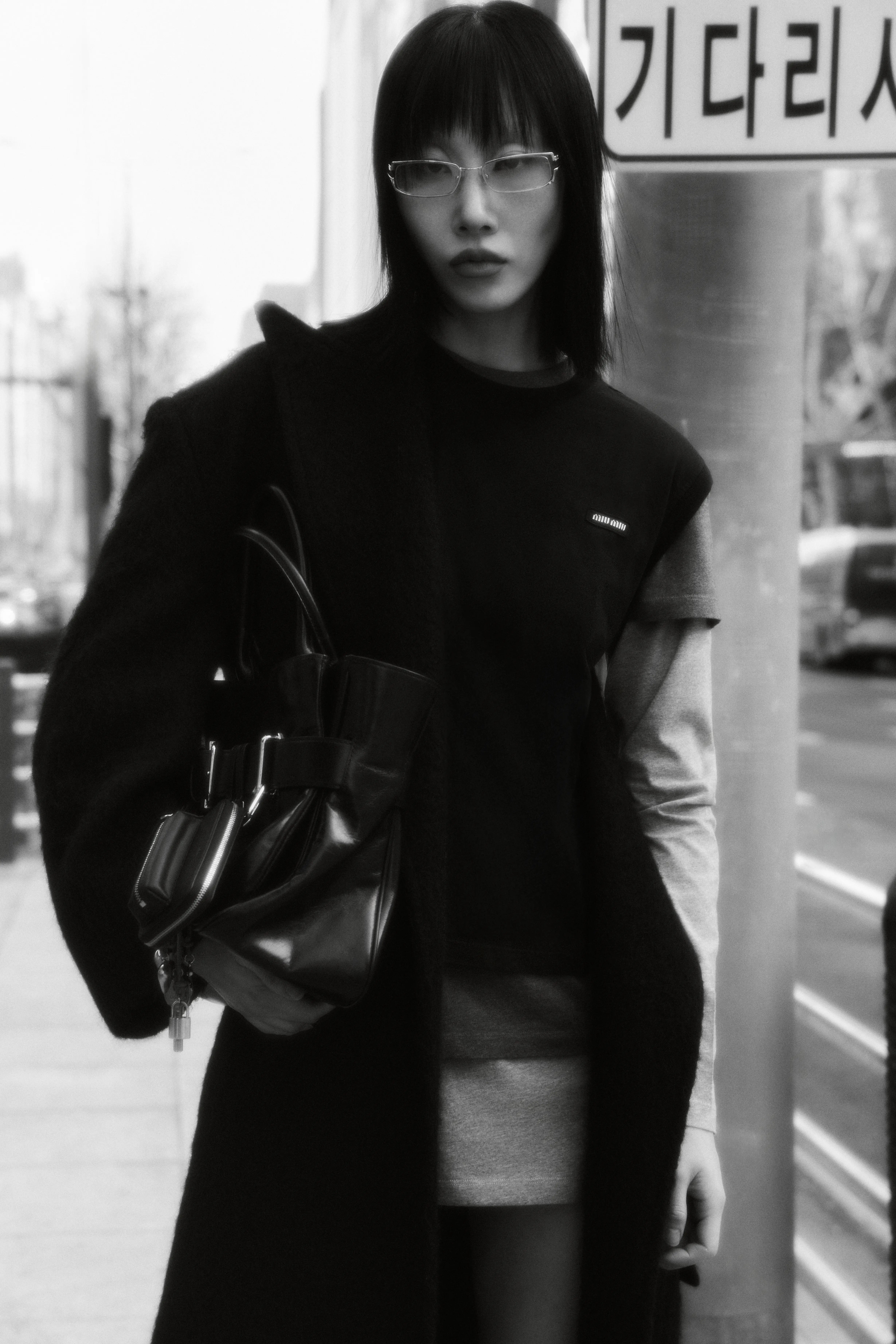
A highlight was connecting with Gentle Monster. We reached out on a bit of a whim and ended up meeting some of their global team around their Margiela collaboration. Experiences like that reminded me how important it is to be open and fearless when working in a new environment.
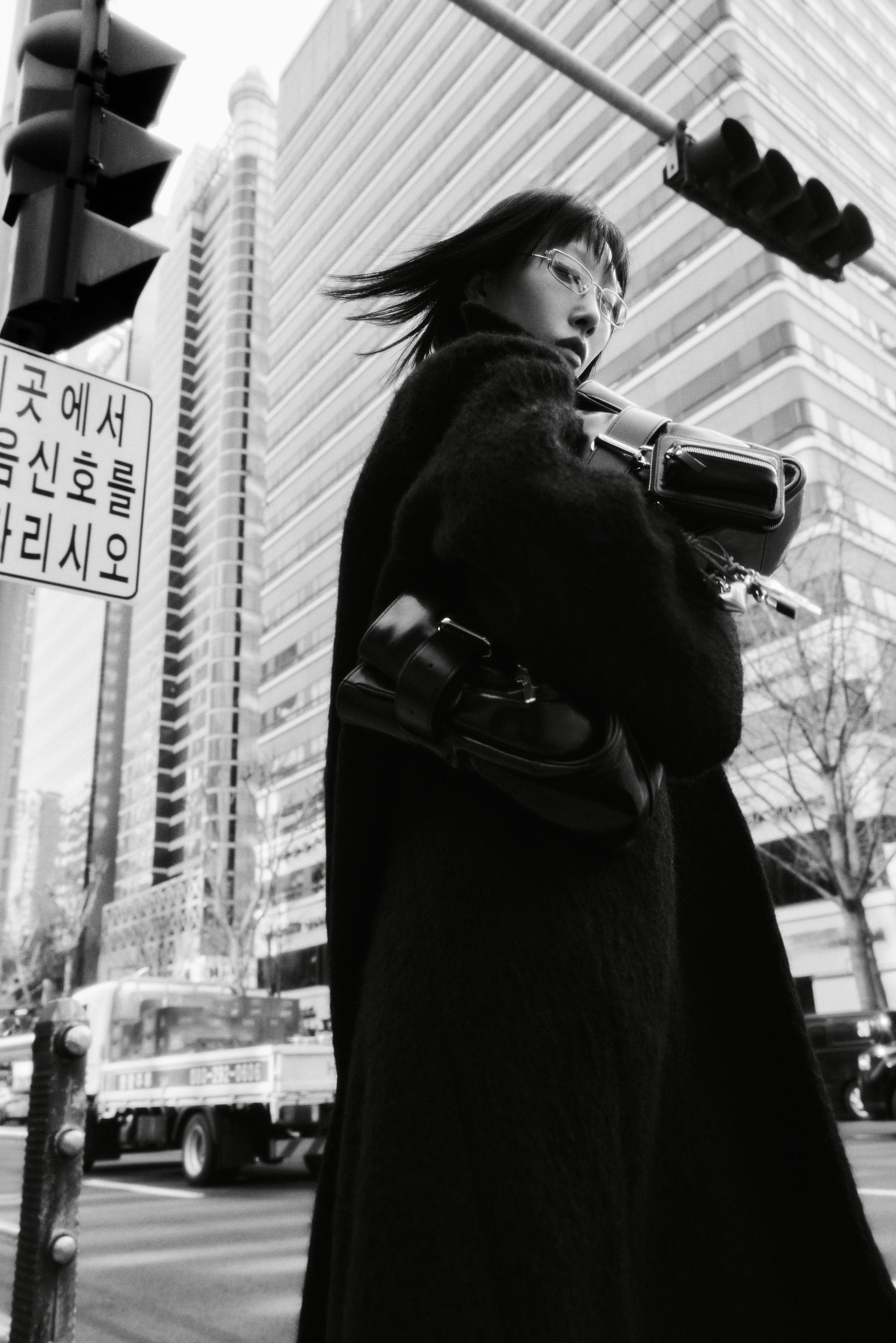
Creatively, I felt really aligned with Seoul. There’s a strong, forward-thinking energy, especially among designers and creatives. In a way, it reminded me of Melbourne in that people are open, supportive, and willing to back you, even if you’re not a big name.
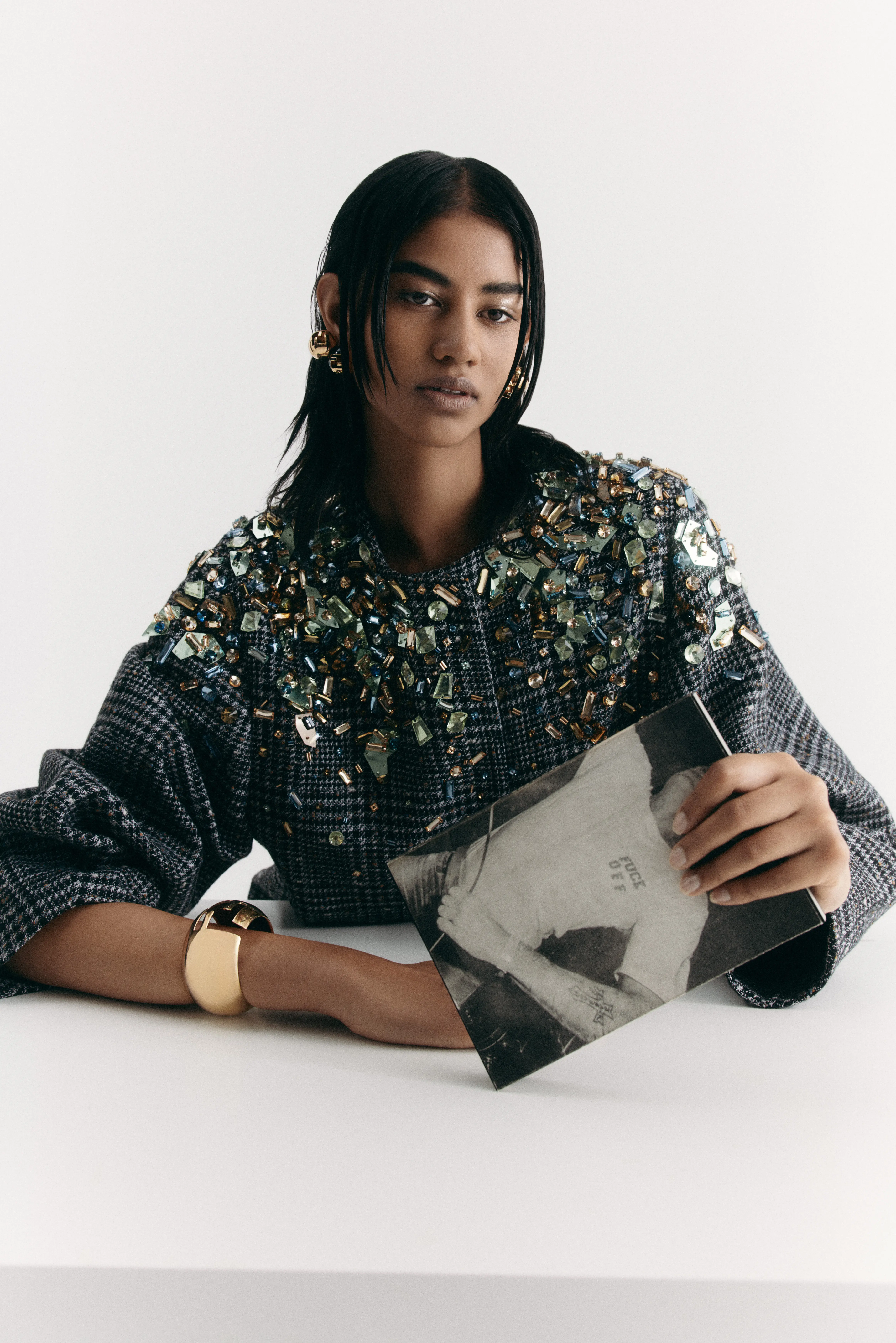
Your Finders Keepers portraits for Coat Magazine x Kult Australia have such a compelling premise – photographing people alongside the things that hold them. What drew you to this concept, and what excites you about inviting people to bring something of themselves into the image?
The idea came from wanting to bring a more personal element into what began as a go-see day. While researching my favourite portraits, I remembered the incredible image of Alexander McQueen on a tabletop with a skull by Tim Walker, and that’s where the approach came from. Inviting people to bring something meaningful to set was a way of bringing more individuality to the shoot, which we then pitched to Coat Magazine. The magazine then fleshed it out into a really special question-and-answer session with each model, and I will always remember the stories and laughs we had on the day.
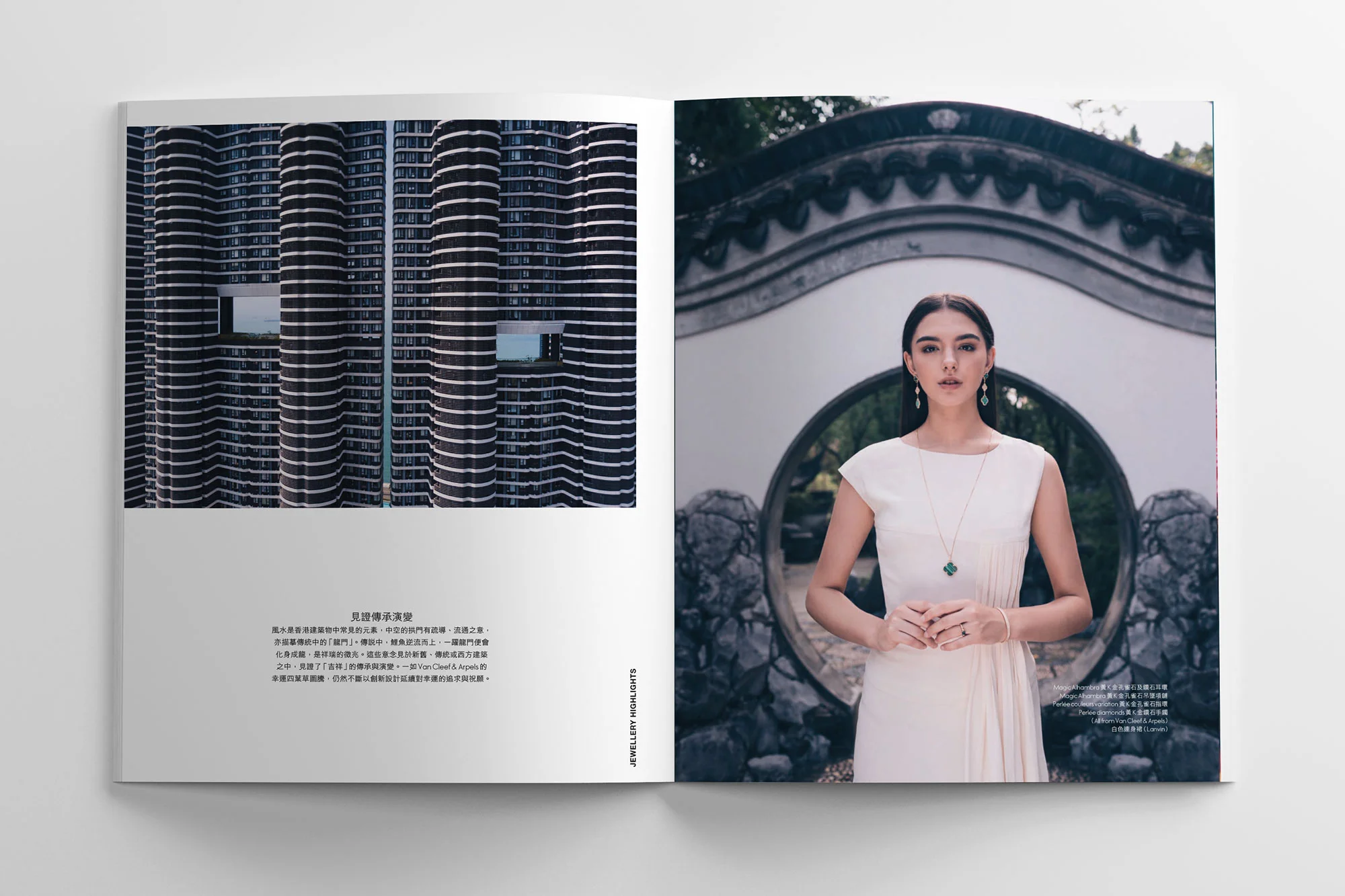
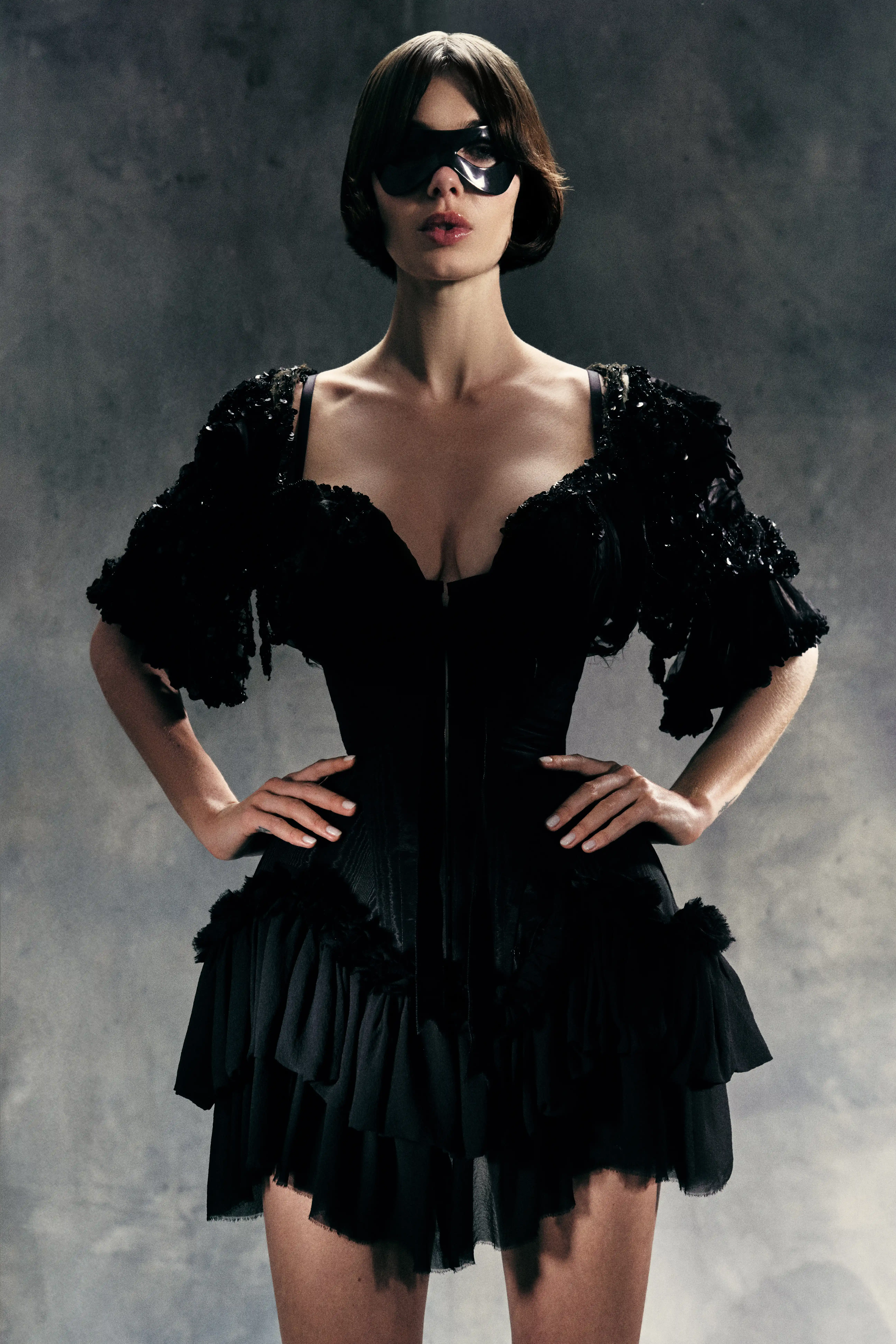
When you’re working with a brand or a designer with their own strong voice and point of view, how do you honour their vision while still bringing your own perspective, as you did with the Samuel Lewis editorial for Vogue Hong Kong?
It always comes back to them. I know how I like to shoot and approach an image, but the priority is honouring the creative vision and doing justice to their work. It starts with a lot of research, understanding their inspirations and sensibilities, then shaping a creative direction that hopefully resonates. I understood how much Sam is inspired by art history and intricate corsetry in his designs, so I invited Henry King, our set designer, who I knew would add beautiful set pieces to enrich the shoot even further. Sam and his sister Jacqueline were an absolute pleasure to work with and were so aesthetically aligned with us that it was a dream day.
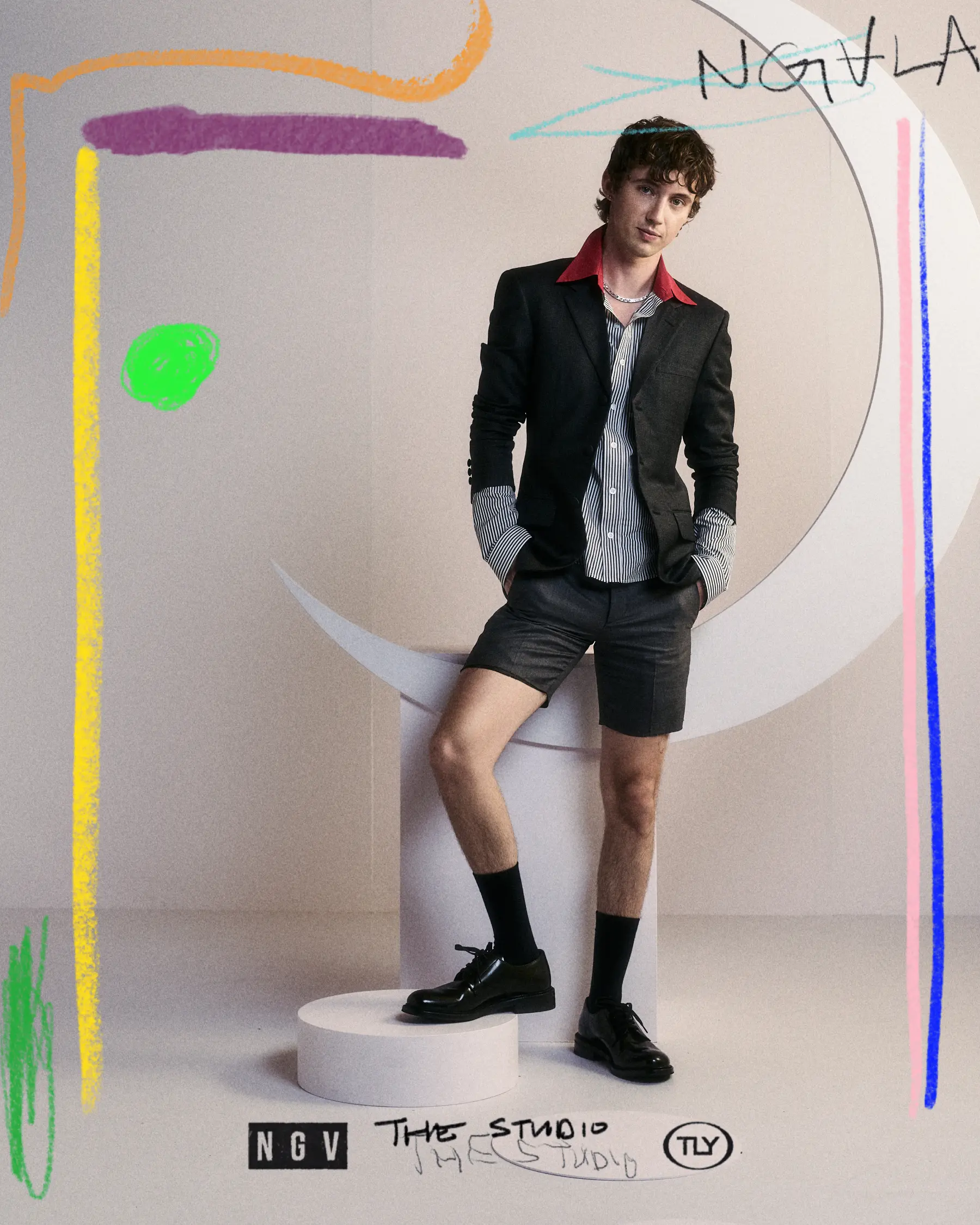
You shot such a cool and creative Hypebeast cover with Naomi Osaka during the Australian Open. Having worked with quite a few international stars and public figures over the years, how do you approach connecting with the person in front of the camera, especially when time is limited?
It can definitely be tricky when time is tight. For Naomi’s shoot, it was essential that the space immediately felt right for her and her team. Our crew were on set hours ahead to get the studio set up, music playing, food on the table. It’s all about being intuitive, reading the room quickly, and creating a space everyone feels relaxed in.

For a shoot of that nature, there are several pre-production meetings, which give you an opportunity to gather as much intel as you can. Naomi’s agent and the Hypebeast team were amazing in supporting us remotely.
I’ll always advise, no matter the nerves, asking as many questions as you can during the pre-production process – reading up on their story, asking their team all the questions you may have, and even finding out what music they’re into. From there, I put together a team I trust. I was lucky to have Luke, Ash, Copper, Rubin, and Sam producing on the day, all of them patient, thoughtful, and treating people with so much care and kindness.
After years of experience shooting for major brands and international publications, how do you keep your skills and visual instincts sharp and continue to learn and grow?
I think it’s just about not being stubborn and staying open and perceptive to the shifts in the creative world. So much has already changed and expanded in the last six months alone, and you’ve got to be willing to ride the wave of change and find ways to integrate your work into evolving processes and technology.
To keep myself sharp, I just try my best to always look for inspiration on the days when I’m not working. I’ll go and see an exhibition, try to hunt down some fresh publications, and, wherever possible, take myself out of Melbourne. No matter how busy I get, I will always find time to test and shoot personal projects. They’re a way to meet new talent and new creatives, reflect on my work, learn, and spark ideas for future projects.
I think self-reflection and critique are essential to staying sharp and continuing to grow.