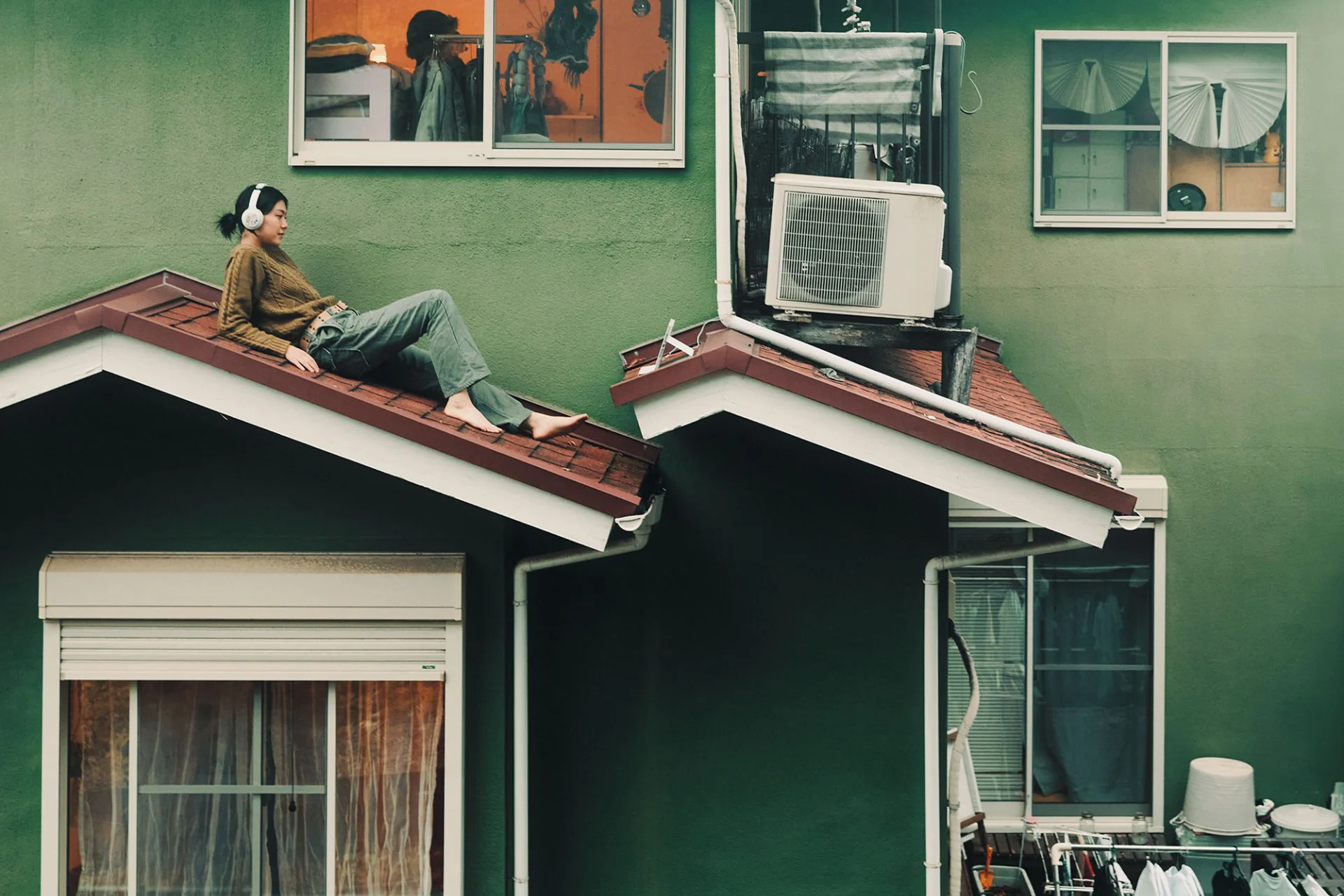
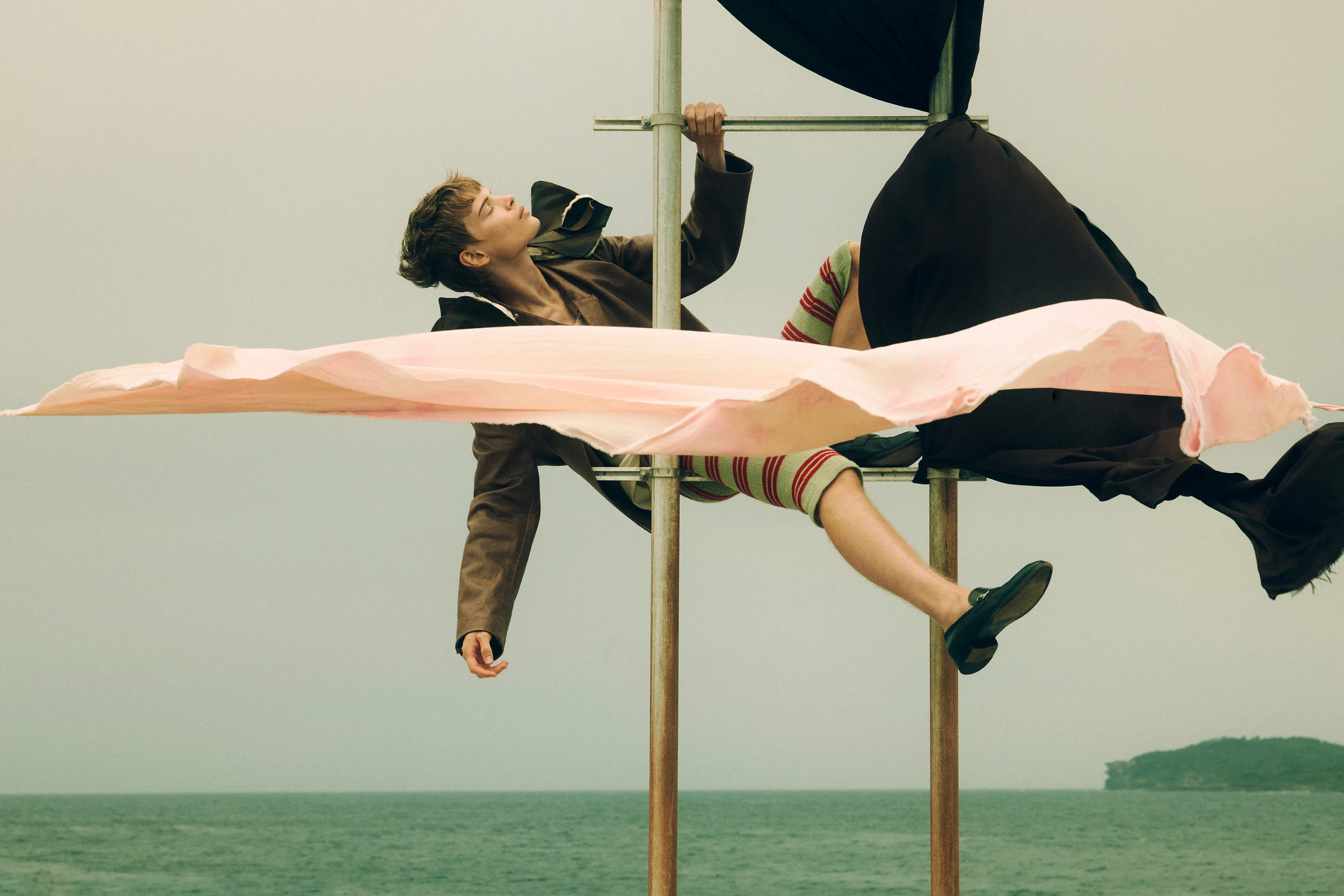
Andrei Kostromskikh
Andrei Kostromskikh, also known as @kosnio, is a Paris-based photographer and videographer who has spent years living and travelling around the world, documenting life and culture across Asia, Europe, and beyond. His street and travel work is atmospheric, unhurried, and emotionally resonant. In this conversation, Andrei shares insights on cultivating the art of seeing, building frames around light and colour, unexpected connections between different places and cultures, creative experiments with a community of photographers, and maintaining a sustainable rhythm that prioritises craft over feeding the algorithm.

How did you first get into photography, and what has the journey been like turning an initial interest into a sustainable creative path?
It started before I really had a camera of my own. I must have been around five when I first got curious about cameras, but my parents wouldn’t let me near theirs, so I’d follow my brother around telling him where to point his. That’s probably my earliest memory of how I think about photography now. I was already framing things, just through someone else.
At school, I got a phone. The image quality was awful, but the idea that I could carry something in my pocket and shoot anything I wanted felt enormous. I shot constantly. Most of it was nothing, but it was the first time I could actually act on the impulse.
At the end of school, my mum gave me my first DSLR. Those years were mostly technical. Figuring out settings, experimenting, shooting friends at parties and gatherings. It wasn’t serious yet. Photography stayed a side thing until around 2015, when I started travelling more. That’s when I began to notice what I was actually drawn to: quiet streets, certain kinds of light, people doing nothing in particular. Once you see that pattern in your own work, it’s hard to unsee it.
The shift from a hobby to something sustainable happened slowly. I never really made a decision to become a photographer. I just kept shooting, kept sharing, and at some point, the work started doing its own thing.

What has photography taught you about the importance of slowing down and paying attention as a creative? How does cultivating the art of noticing help you do your best work?
Photography is almost entirely about that. The moment you start looking for a frame, you stop being a passenger in the city and actually start being in it. It pulls you in completely. I’d call it a form of meditation. I dissolve into the process and become very sensitive to everything around me. You stop just looking and start actually seeing.
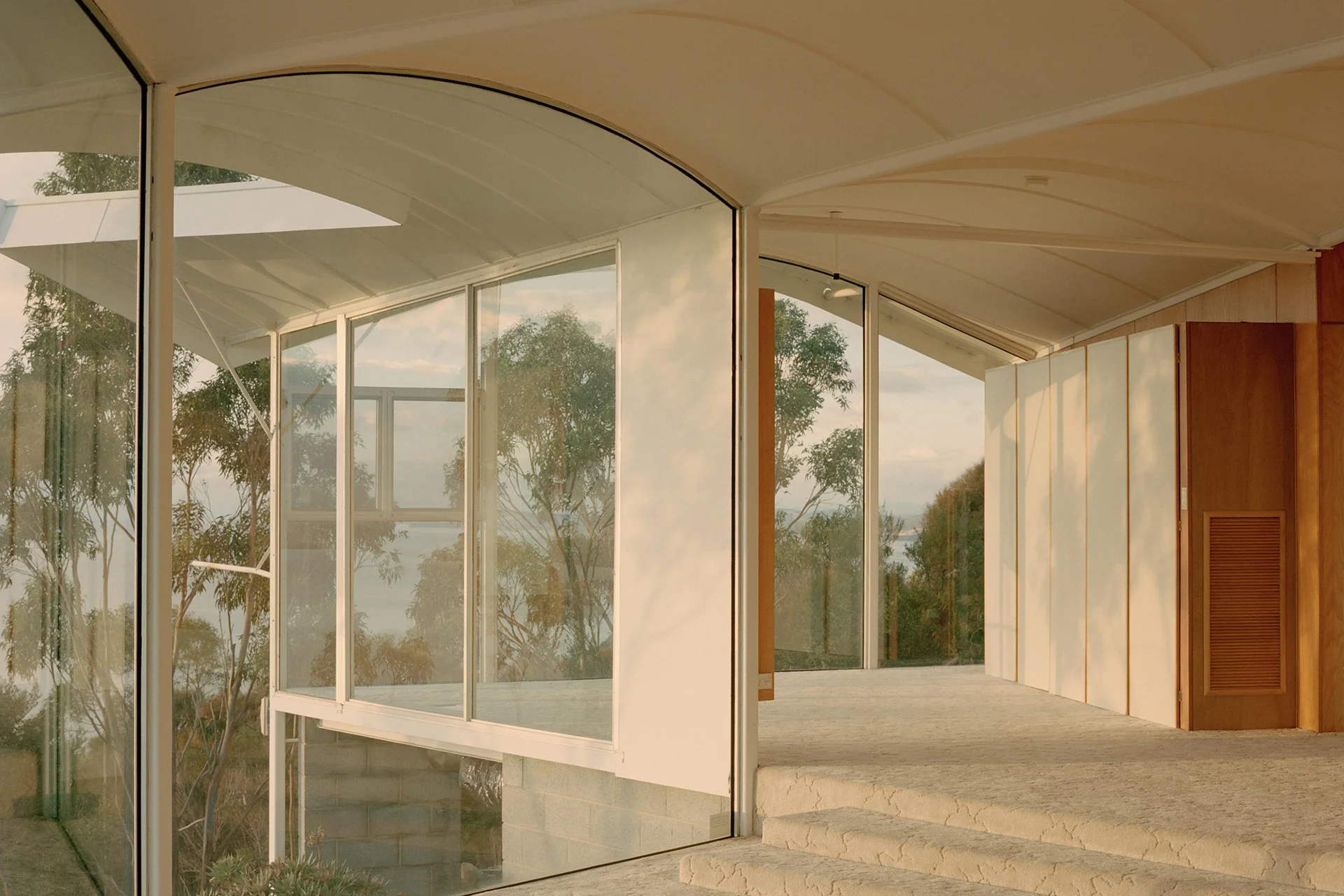
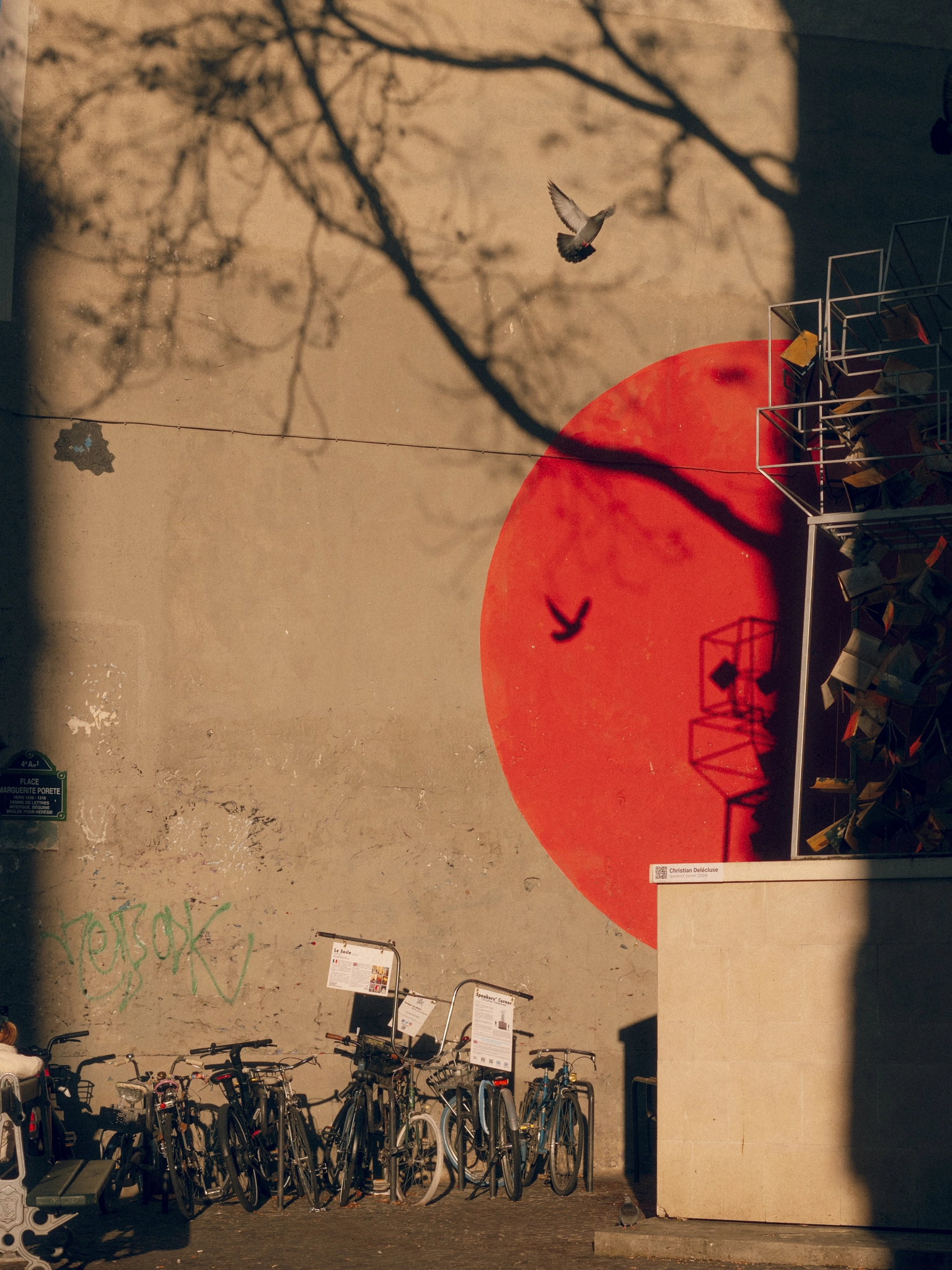
That’s where the work comes from. The unusual angles, the small details, the scenes most people walk past without registering. The way light falls across a wall at a certain hour, a shadow that lines up with something across the street. None of it is invented. It’s already there. The job is just to notice it before it changes.
I think that’s what photography really teaches you. The world is already beautiful, in much smaller ways than people tend to expect. Slowing down is just the price of admission for seeing it.
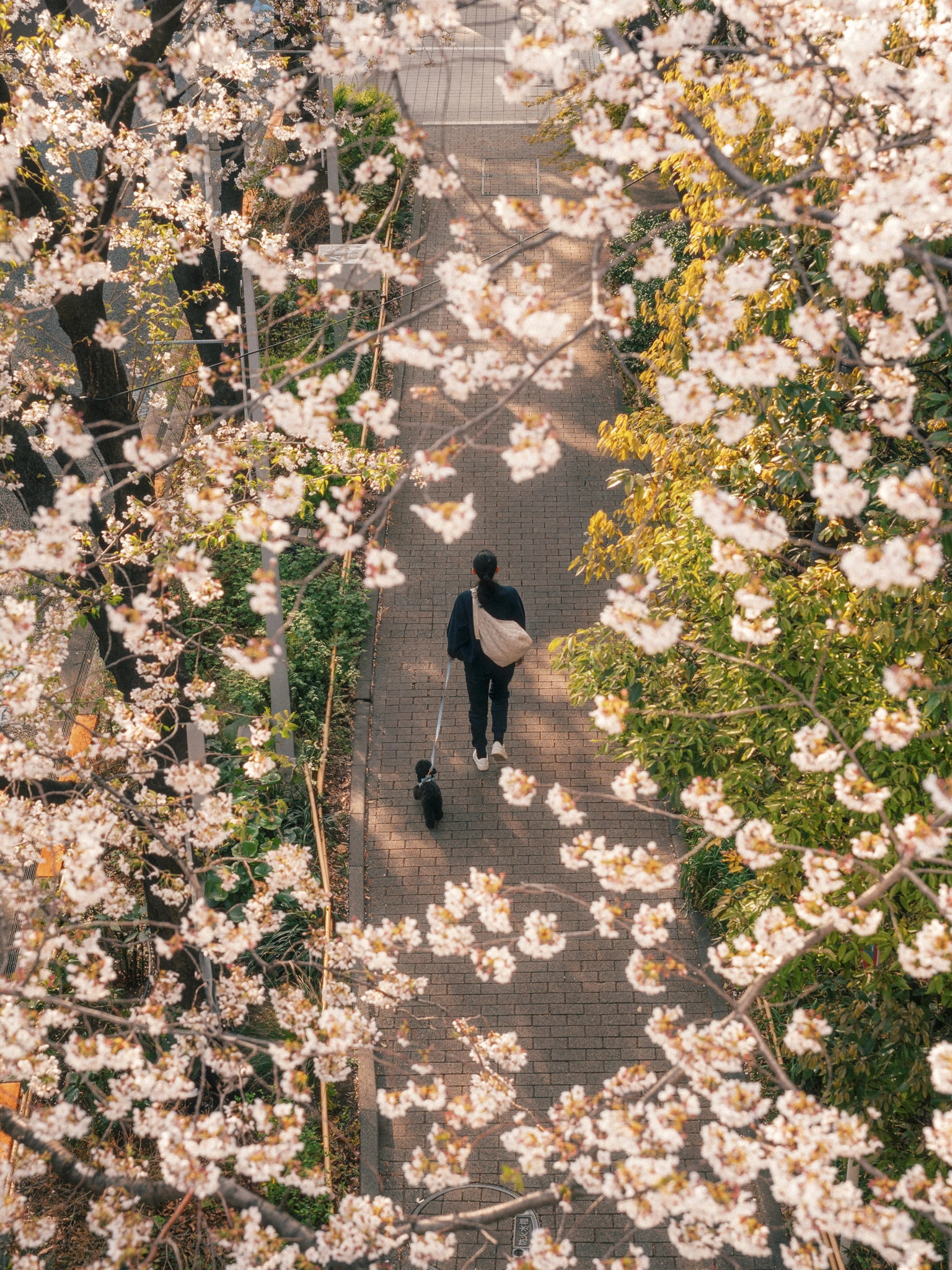
Street photography often requires spontaneity and the ability to capture a moment before it passes. How do you train your eye to respond quickly while still making considered choices around composition, light, lens choice, and perspective?
It’s always different, but the easiest path to a perfect frame is honestly the patient one. Find a spot with perfect light, build the perfect composition, and just wait for the perfect subject to walk into it. I do that sometimes, when the location is genuinely too good to leave to chance.
Most of the time, it works the other way around, though. I’m just walking and I see immediately where to point the camera, where these moments are about to happen. The camera goes up almost on its own. That part is just trained reflex by now. Years of looking, and the eye starts deciding for you.
So I’m usually building frames around interesting light or colour first. That’s the foundation. The subject is what makes the frame come alive, but the light is what made me stop in the first place. That said, if I see an interesting subject somewhere the light isn’t doing anything special, I’ll still shoot it. For me, storytelling matters more than a beautiful frame in the end.

Your images are beautifully evocative, with a strong sense of atmosphere and an emphasis on light, colour, space, and movement. How do you think about engaging the senses and evoking memories when creating images that leave a lasting impression?
Honestly, I don’t really think about it that way when I’m shooting. I’m just trying to show what I personally saw and felt in that moment.
What I find beautiful is that the photos end up evoking things in people, but their things. Their memories, their emotions. And often, those emotions are completely different from what I felt taking the shot, sometimes completely different from what someone else sees in the same frame. That’s what I love about it.

You’ve spent time documenting many places around the world, across Asia, Europe, and beyond. When you arrive somewhere new, how do you dig deeper to understand and explore the many layers and sides of a place?
First of all, I move on foot most of the time. Unless the distance is genuinely huge, I’m walking. That alone changes everything. Even if you’re just walking between the obvious tourist spots, you end up cutting through neighbourhoods you’d never see from a metro or taxi, and that’s usually where the more authentic side of a place lives.
Before a trip, I do a lot of research. Not for the famous landmarks, but for the areas that look interesting to me. Specific neighbourhoods, sometimes places outside the city. I usually end up with a map full of pinned locations I want to walk through, and then, on the ground, I just move between them freely. No strict order, no schedule. That way, I see both the well-known spots and the quieter ones, and almost always, my favourite frames come from the quieter ones. The places nobody really photographs.

Across the different cities you’ve lived in and visited, you seem to find common ground in everyday routines, nature, and, of course, cats! What interesting or unexpected connections have you noticed between different places and cultures when you look more closely or stay somewhere for longer?
The more I travel and watch how people actually live, the less hostility or misunderstanding I’m able to hold toward anyone. People are essentially the same everywhere, in the things that matter. Most people want to help you. Most people are kind by default if you give them the chance.

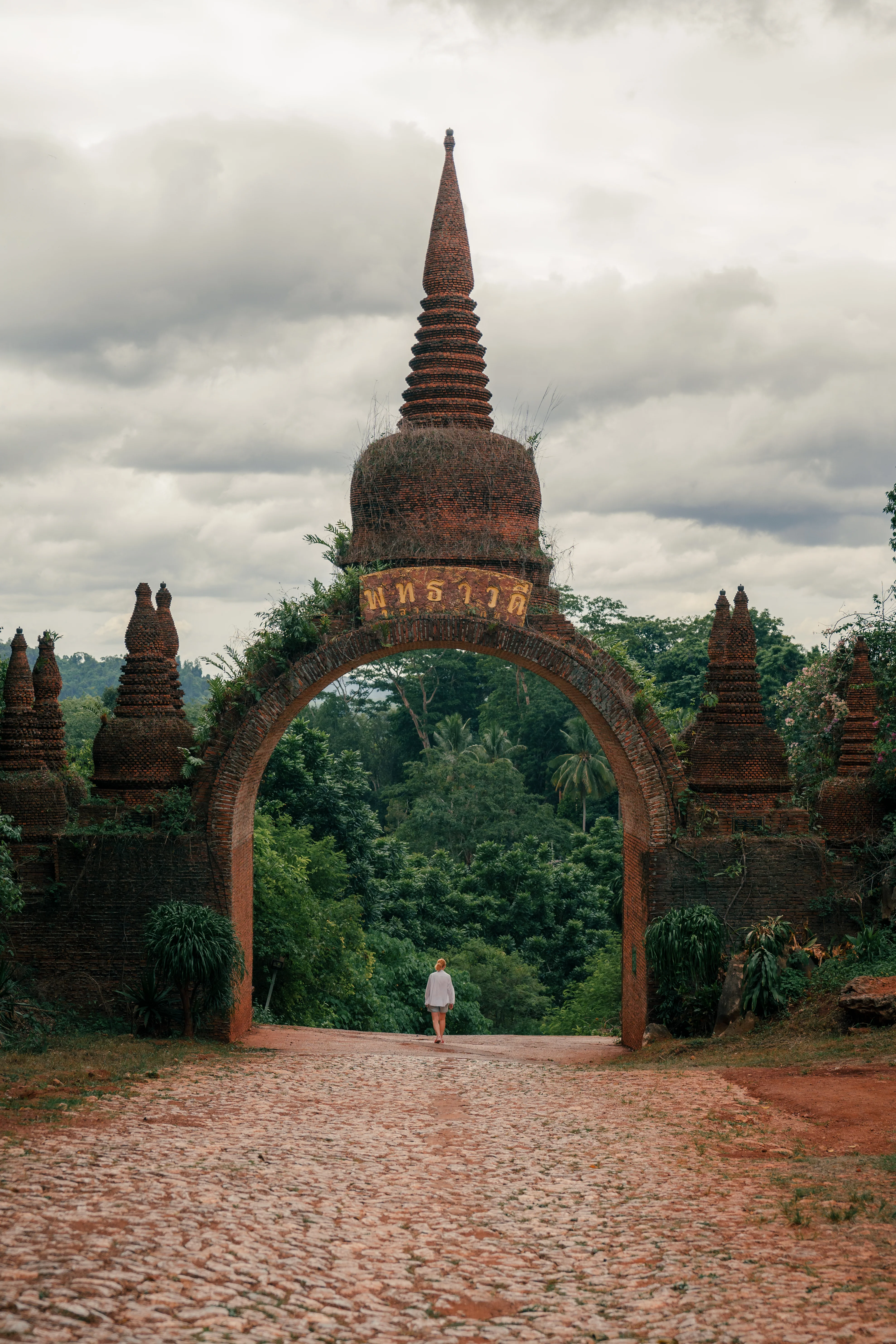
The everyday routines are almost identical no matter where you are. Someone making coffee in the morning, someone walking a kid to school, someone smoking on a balcony, someone feeding a stray cat. Those rhythms repeat in every city I’ve ever shot in. The cats, especially. They’re everywhere, and they always have someone looking out for them, whether it’s an old woman in Bangkok with a bag of food or a shop owner in Paris leaving a bowl outside the door. That kind of small, unspoken care looks the same in any language.

Where places actually differ is in the texture around those rhythms. The way people eat, how they share space, how loud or quiet they are with each other, what counts as polite. And honestly, that’s the part I love. We have enough in common to recognise each other, and just enough difference to learn something. I think travel only really starts to teach you anything once you stop seeing the differences as strange and start seeing them as someone else’s normal.

Editing appears to be an important part of your process. How has your approach to editing developed over time, and what kind of system have you found supports your creative vision?
For me, the main task of editing is to deliver the moment the way I remember it. The way I actually saw and felt it. And that’s not always objective reality. It’s a set of sensations and memories more than anything else. The light I remember is rarely exactly the light that was there.
Conveying the atmosphere and my vision of that moment is one of the most important parts of photography for me. That’s the part where it gets closer to art than to documentation. The camera records what was there. Editing is where you record what it felt like.
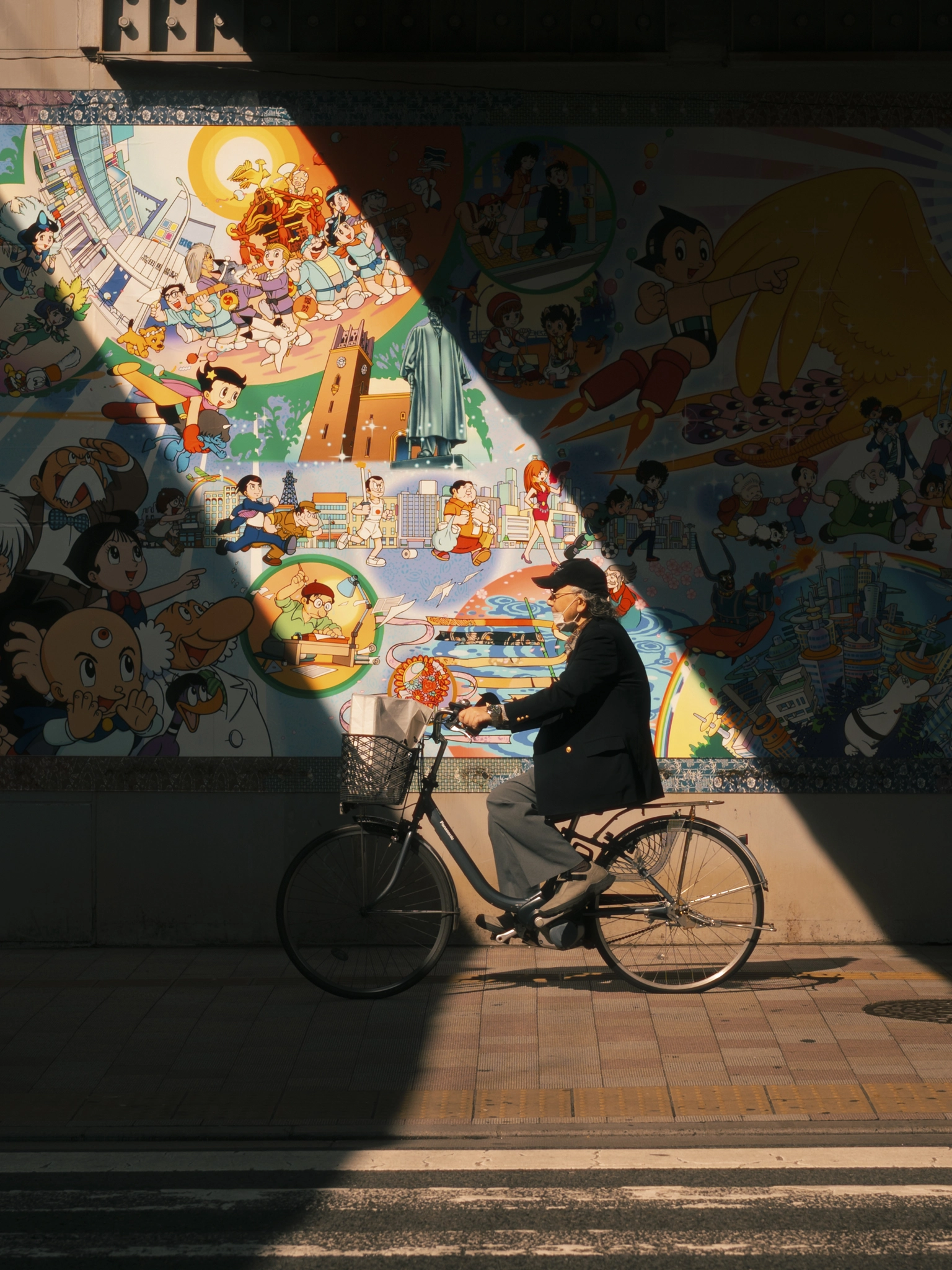
In practice, I work pretty fast. I have a set of presets I’ve built over the years that let me quickly set the mood and pull out the atmosphere I was feeling at the time. They’re not a one-click solution, and every photo still gets adjusted, but they get me into the right emotional register quickly, so I’m not starting from zero every time. The system mostly exists to protect the feeling. If I spend too long on a single image, I start losing the original memory of what made me shoot it, and the edit drifts away from the actual moment.
You have taken on creative challenges and experiments alongside a community of photographers, using constraints such as limiting a shoot to a single colour theme or visual rule. What have you gained from these exercises? How have they sharpened the way you see?
Constraints are honestly one of the best things you can do for your photography. They force you to start seeing differently, or shooting differently. It can be anything: a single focal length, one simple camera, shooting only in one location, only one colour. Anything that takes options away from you.
What I’ve learned is that constraints often produce more interesting frames than total freedom does. When you have unlimited options, you tend to get lost in them, and you start missing the actually interesting stuff right in front of you. The brain doesn’t work well with infinity. Give it a wall to push against and it suddenly gets creative.
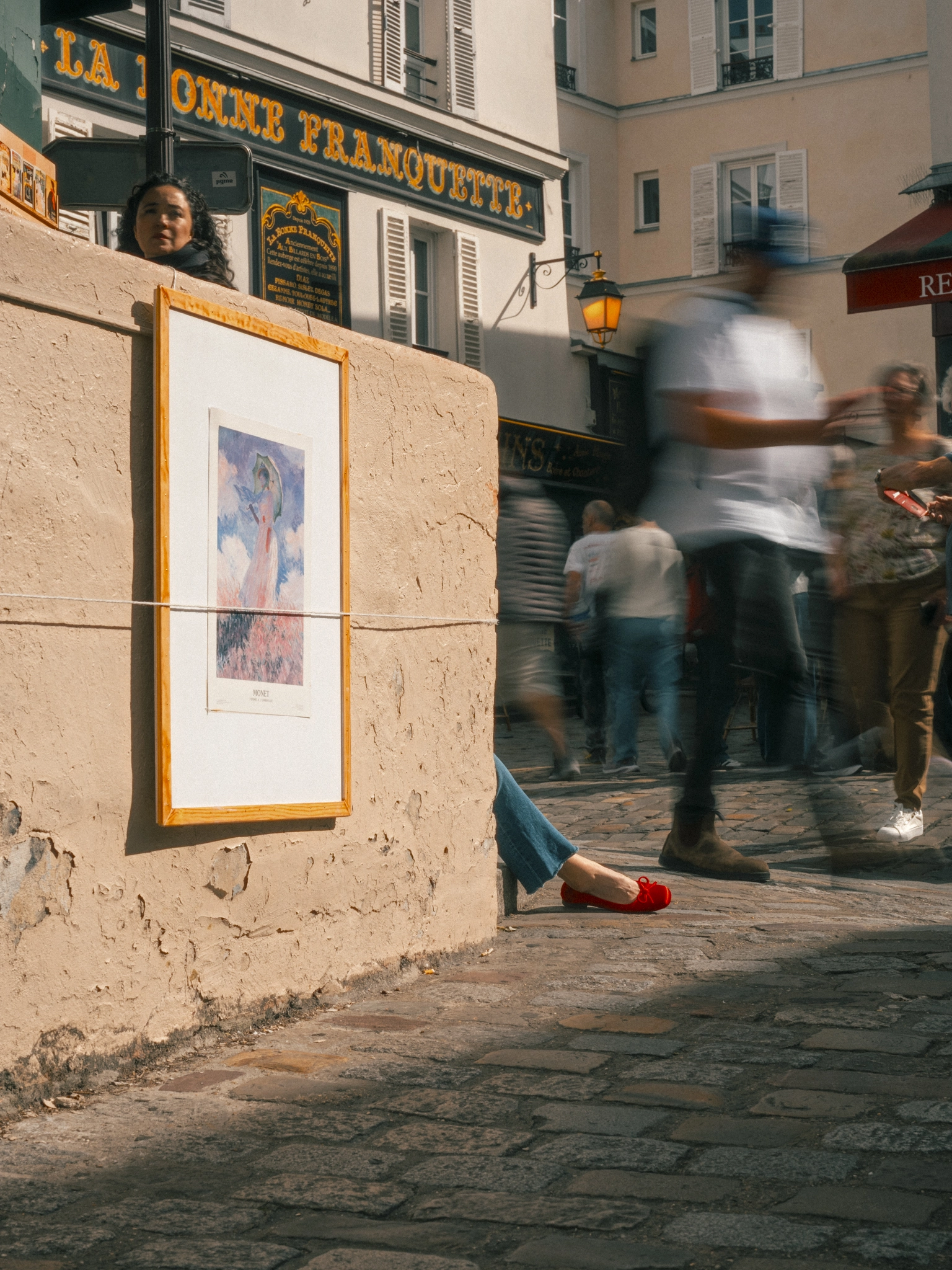
Sticking to one colour, for example, completely changes how you walk through a city. Suddenly, you’re not seeing buildings or streets, you’re scanning for red. And when you find it, you start noticing how often it shows up, where it appears, and what it does to a scene. You see a layer of the city that was always there but invisible to you before. The same thing happens with a single focal length. You stop framing with your zoom and start framing with your feet.
So yeah, for anyone struggling creatively, I’d recommend giving yourself a real constraint and shooting only within it. You’ll be surprised by how much more you start to see.
You have made some lovely friendships with photographers around the world. How has that sense of community supported your growth as a photographer?
The photography community is genuinely amazing. I’ve met an enormous number of talented, open, generous people over the last few years. People who are happy to share what they know, happy to help, and happy to just walk around a city with you for hours.
What I get from it most is inspiration. Watching how other photographers work, what they pay attention to, what they choose to leave out of a frame. Everyone sees a city differently. You can stand on the exact same corner as another photographer and come away with completely different photos. That’s something you can’t really learn from books or tutorials. You just have to spend time around people whose eyes work differently from yours, and slowly, your own eye starts to expand.
It’s also just nice to have people who understand the strange parts of this. The waiting, the obsession with light at certain hours. Friends outside photography are great, but they don’t always get why you’re standing in the rain for forty minutes waiting for one person to walk through a frame. Other photographers do.
When you approach branded projects or creative collaborations, how do you create work that feels aligned with the brand and compelling for audiences who connect with your visual style and creative vision?
Most of the time, brands come to me specifically because they want something shot in my style. They want it to feel organic, not like a typical ad. So, in a sense, the alignment is already there before we start. If something in the brief feels too far from how I actually shoot, I’ll usually tell the brand upfront that it won’t work, and explain why. That conversation is better at the start than at the end.

Sometimes projects come in with a very specific idea and tighter constraints, and that’s fine; I work within them. But even then, I try to bring my own style into the frames. Otherwise, there’s not much point in hiring me specifically. They could hire anyone. The whole reason a brand reaches out is because of how I see things, so taking that out of the equation makes the collaboration kind of pointless for both sides.
What matters most to me is that the viewer actually wants to look at the work. Not because it’s an ad, but because the work holds up on its own, whether it’s a photo or a video. If someone watches it or scrolls past it without realising it was a commercial project until they read the caption, that’s the goal. Good commercial work, in my opinion, should be interesting first as a piece of visual storytelling, and as advertising second.
Building an audience on social media today asks creators to be visible and consistent, while quality work needs time and attention. How do you balance an active presence with a creative rhythm that feels sustainable and inspiring rather than draining, and what motivates you to keep going?
For me, this part is honestly pretty easy, just because I genuinely love shooting and I shoot a lot. I’ve built a posting rhythm that naturally fits the volume of photos and videos I’m already making. I’m not forcing content out for the algorithm. The work exists first, and the posting schedule wraps around it. If I tried to do it the other way around, I’d burn out fast.
What motivates me most is the shooting itself. That’s what I’d be doing even if I never posted anything anywhere. I love the process and I love what comes out of it. It’s the activity where I’m most in flow, where hours disappear without me noticing. So motivation isn’t really a problem I have to solve. It’s already there before I open the camera bag.

I won’t pretend the algorithm side of things never gets to me. The way numbers move on a post can sometimes mess with your mood, especially when something you really believe in underperforms, and something you almost didn’t bother posting takes off. I actively work against letting that affect how I see my own work, because it shouldn’t, but sometimes it does. What I’ve learned is that you just have to keep going and stop staring at the numbers. All those stats are noise. I love what I do, I see people responding to the work and being genuinely thankful for it, and I’m able to make a living from it. What more do you really need?