Eileen Yoon
Eileen Yoon is a director based between New York City and Seoul. Her work emphasizes tactile, hands-on craft, shaped by her early experience as a cinematographer. She builds trusting working relationships with her directors of photography and brings a collaborative spirit to set. In this conversation, Eileen discusses her love for human-centered filmmaking using practical effects and 16mm film, the art of creating immersive worlds, and finding strength in cultural in-betweenness.
You’re carving out an exciting career as a director! What drew you towards writing and directing?
Filmmaking was kind of an accident for me. I love to tell this story – I always thought I was going to go to culinary school, but after I was told that it was long hours and heavy lifting, I decided to go to film school because I loved taking photos and making videos. I never got away from the long hours or heavy lifting because I started to work as a DP. I then made my first short, which I had a lot of fun with, and that led me onto the directing path.
What do you enjoy most about the directing process?
I love bringing the heads of department together and seeing a vision come to life. It’s like having the Avengers come together to make something beautiful.
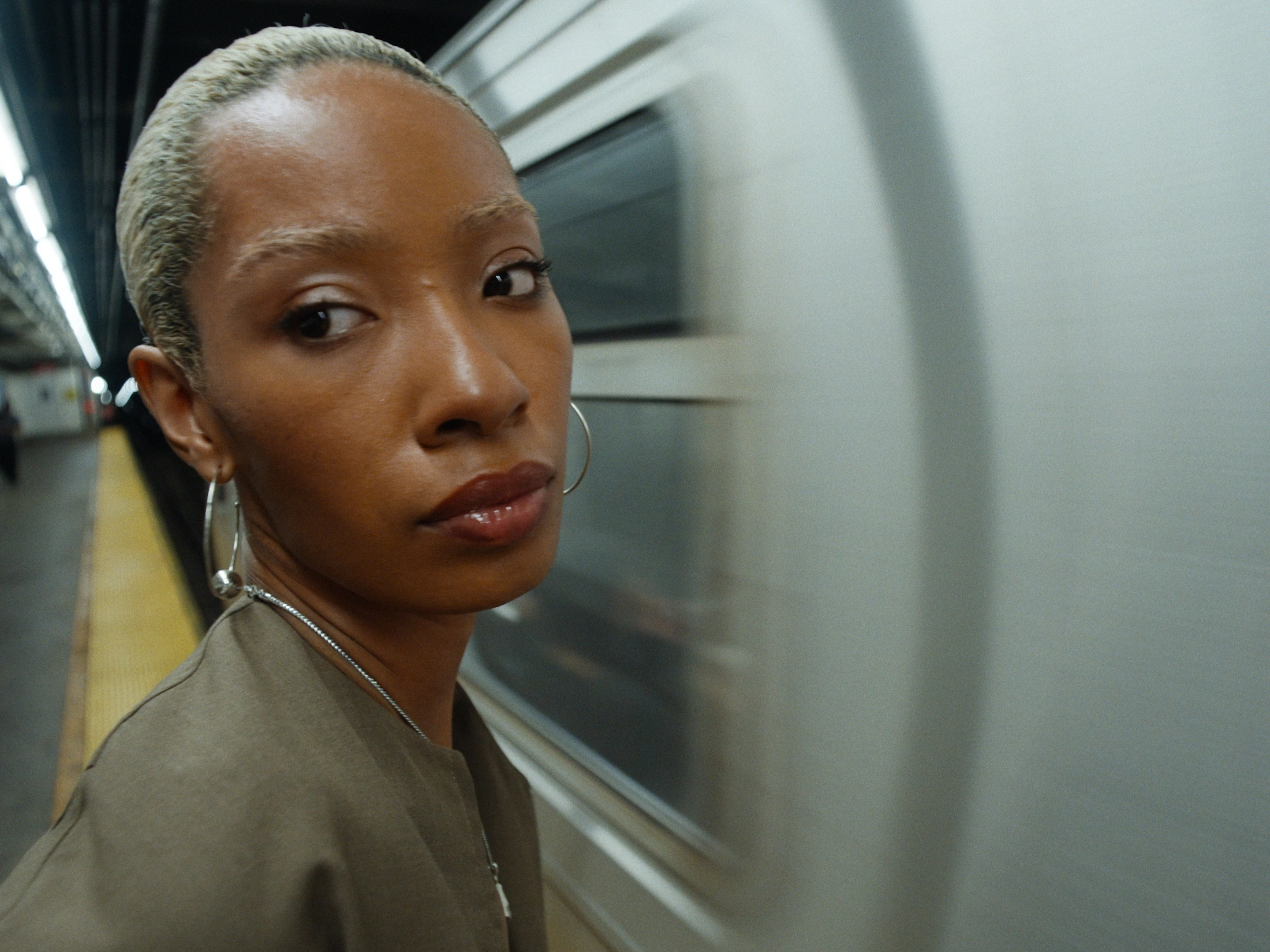
Directors and cinematographers, or directors of photography (DPs), have a close working relationship. From your experience on both sides of that partnership, what makes a collaboration between director and DP especially strong, rewarding, and enjoyable?
Trust. You have to be open to others’ ideas and know when to let go. Once I found a DP that I really liked, I realised that I don’t need to be so specific about how I want something to look. They just get it, and I have learned to trust their eye.
I think the strongest relationships between a director and DP are when it’s a conversation rather than a “this equals that” mindset. I also believe that a DP shouldn’t limit what the director wants to do in terms of shots, but at the same time, the director should be cognisant of what they’re asking and see what the trade-offs would be with their ambitions.
Your use of 16mm film comes across as a beautifully considered choice. What cinematic influences have inspired you to shoot on film, and what do you find distinctive about the feelings and atmosphere it can create?
Everyone says this, but there is nothing better than a tactile piece of work. When I see the negatives, I see them as a gift from all the love and labour we put into the project. There is a richness in film that you just can’t get anywhere else.
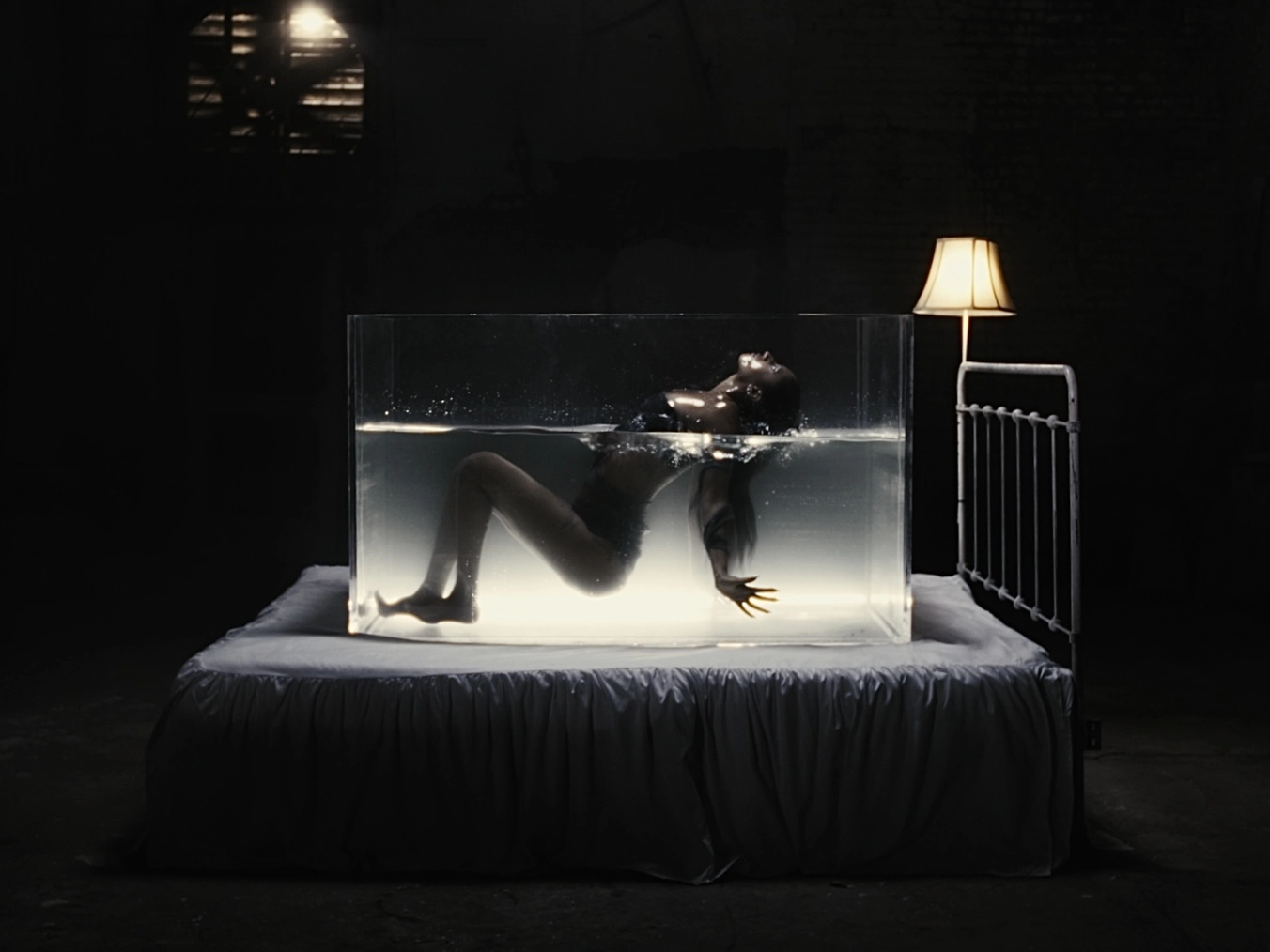
The music video Cain you directed for Mantis Hands is remarkable in how much is achieved through practical techniques. Why was it important to you and the team to build that world in a hands-on way, and can you walk us through how you worked with your collaborators to bring it to life?
The only thing that was done with VFX was the horse towards the end of the music video. The use of AI never crossed my mind. I think it’s a great tool that people can use, but for me, I enjoy the process and the collaboration with people on set. Honestly, I think it takes more effort trying to explain to a machine what I want than talking to people and problem-solving together. The story is so personal to me, so I wanted a human touch to it.What does that kind of collaborative filmmaking process give you and the audience that would be diminished or lost if the work became less human and less of a team effort?
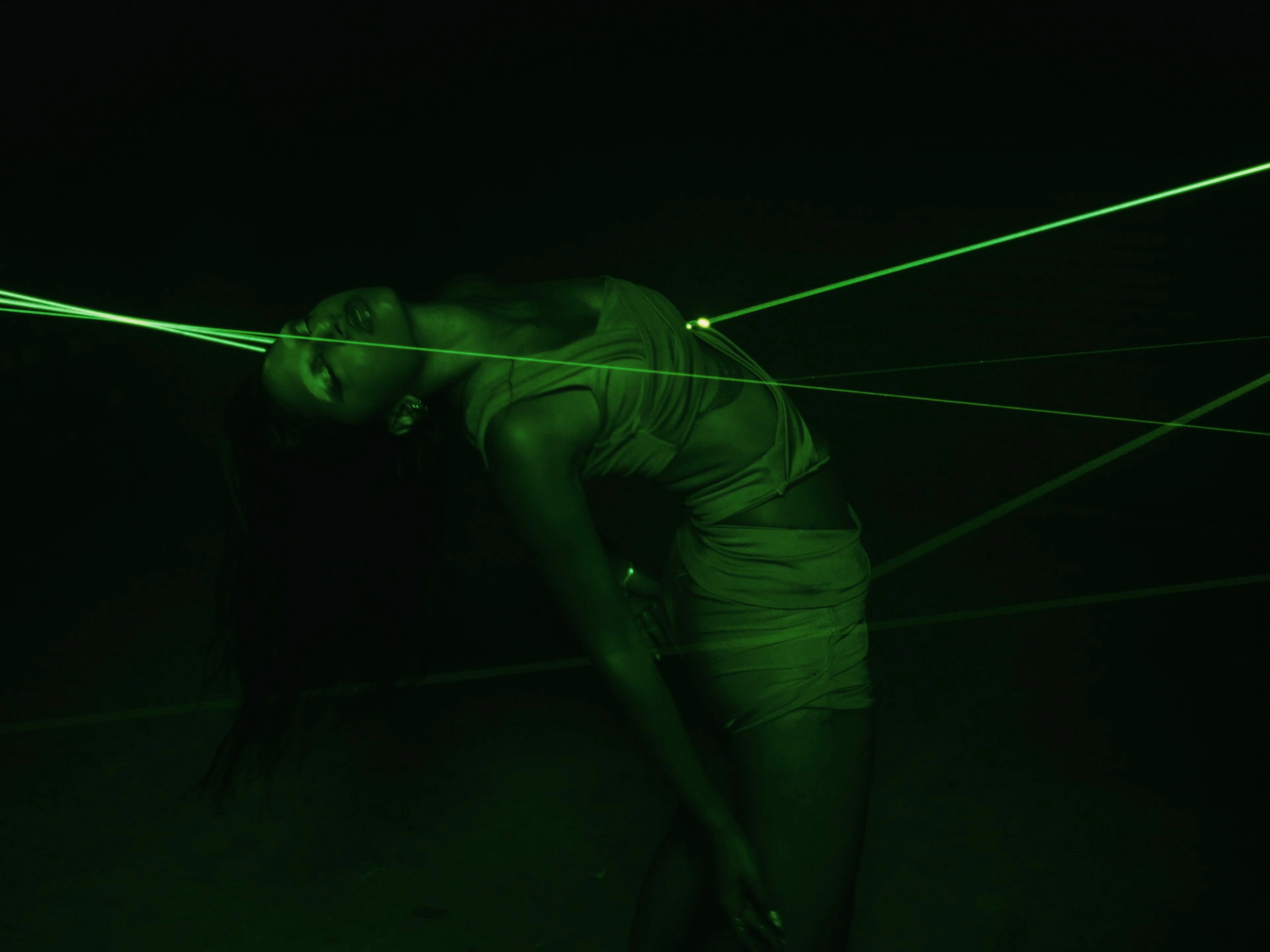
I always say this, but filmmaking is the most collaborative art form. It’s also the only art form that brings all different mediums of art into one piece. Taking away this collaborative process would take away the community that this industry builds.
On the Samsung Art of Us project, you connected with Greta Lee about painting in her family and how that carries through to her work as an actor. Has your own background in illustration shaped your eye in a similar way? How do influences from other artistic mediums inform the way you approach image, movement, light, and tone on screen?
Yes, I was always taken to museums against my will growing up. I remember complaining about the long hours we’d spend there with my family, but now I realise how much seeing those pieces of artwork has influenced my taste. It showed me how other people looked at the world.
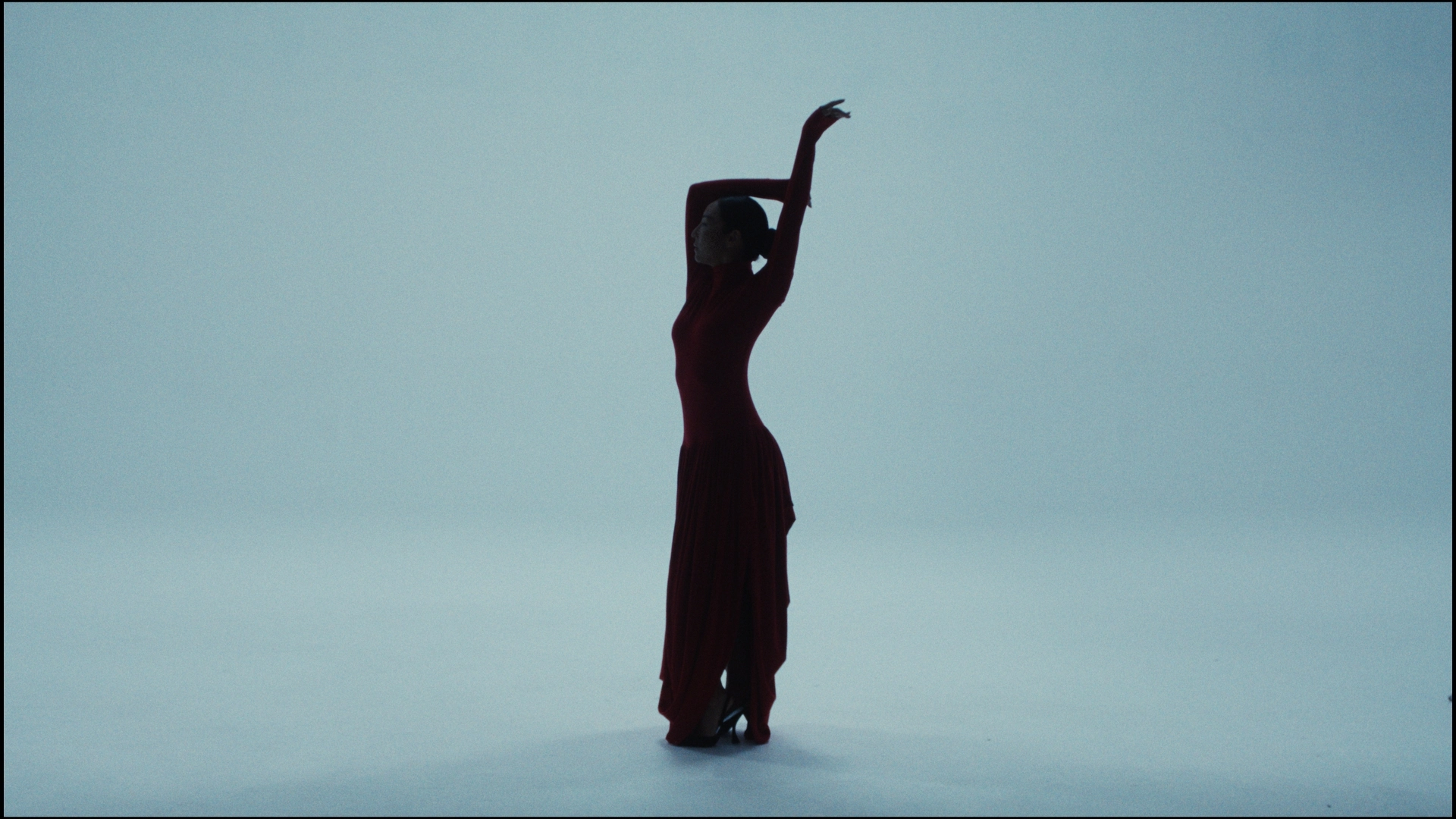
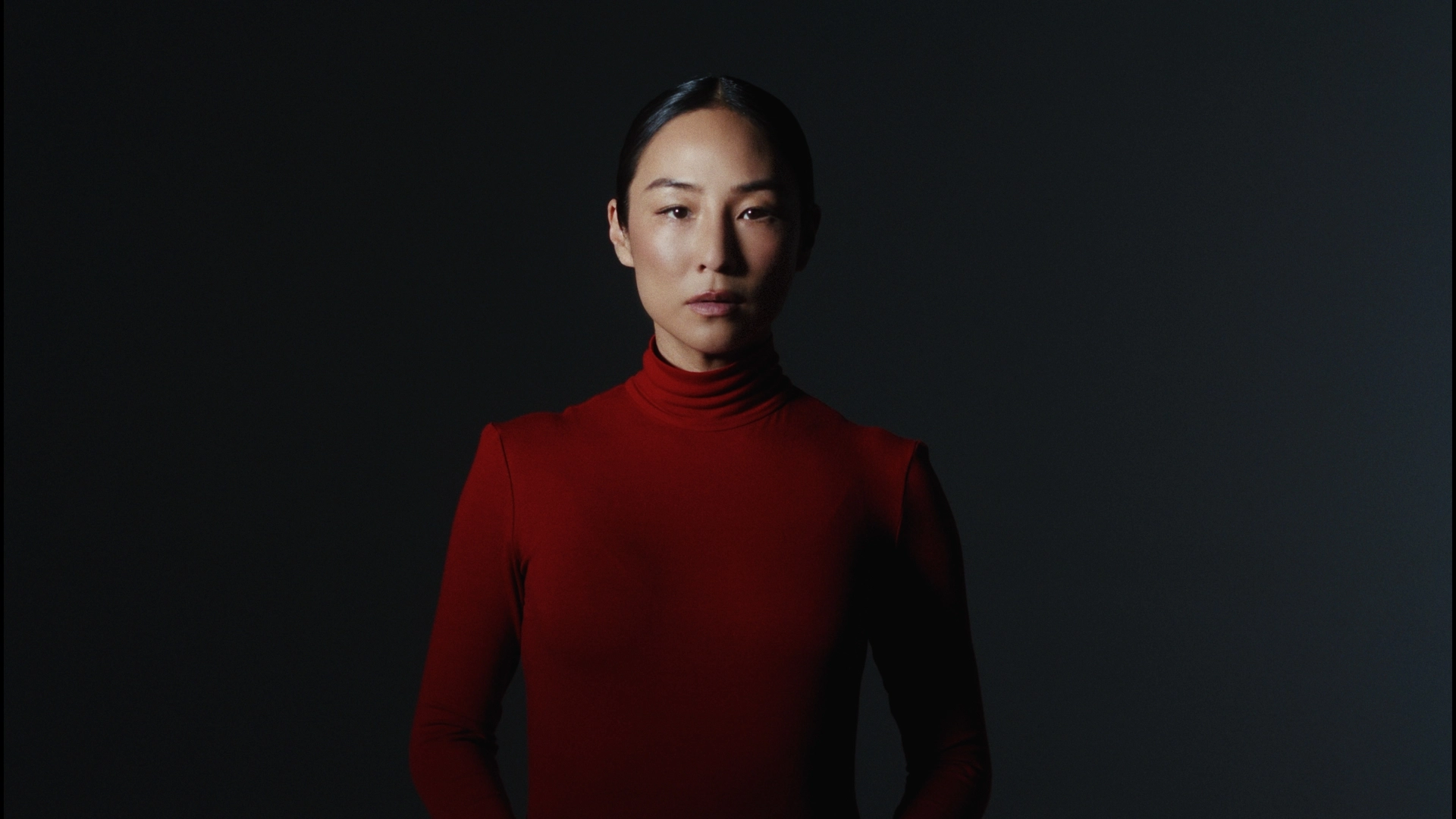
The biggest inspirations for my projects aren’t other films, they’re different mediums. Funny enough, I’m actually a terrible illustrator, but my drawing class in college shaped how I look at composition and form, which has aided my work today.
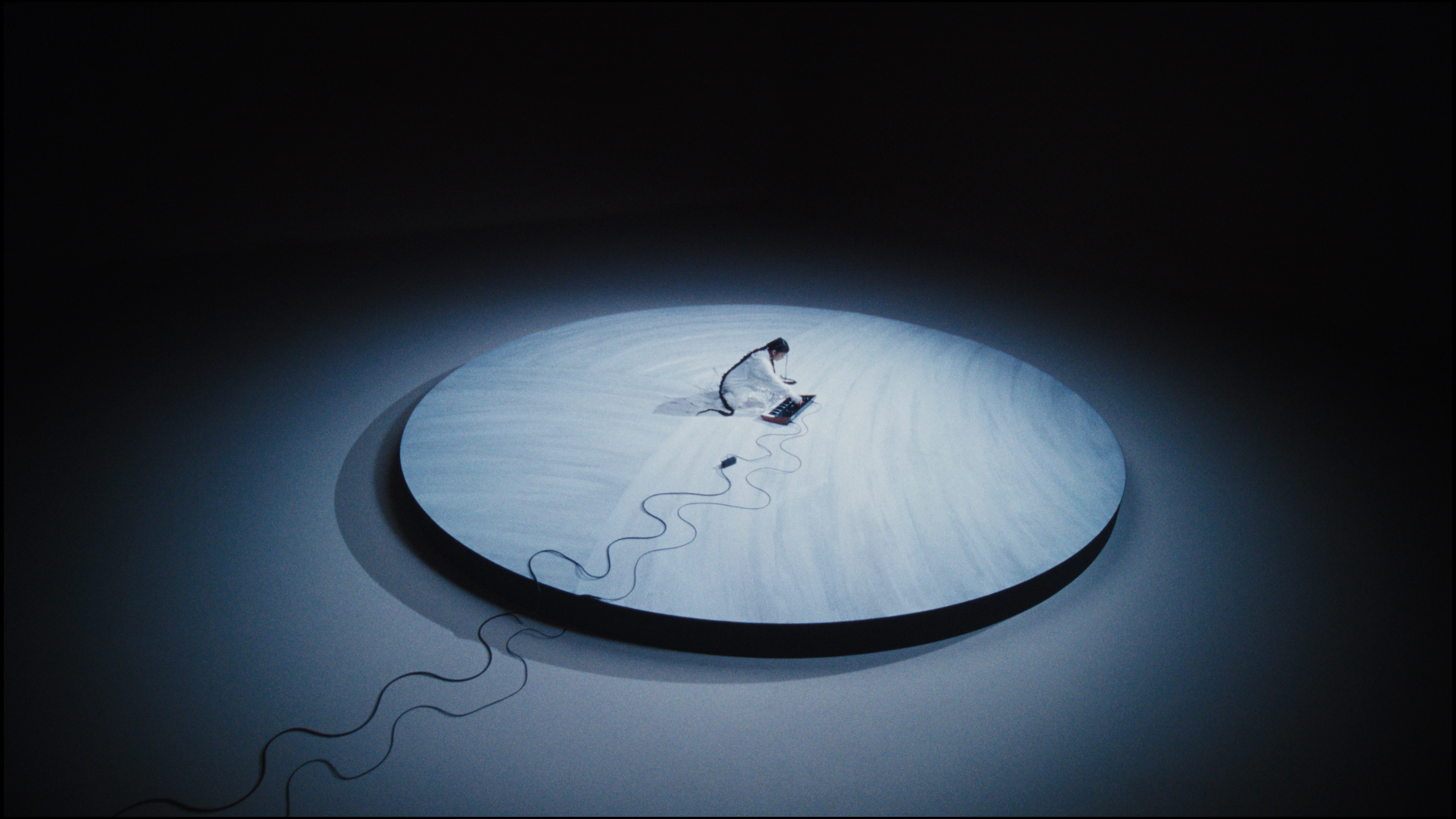
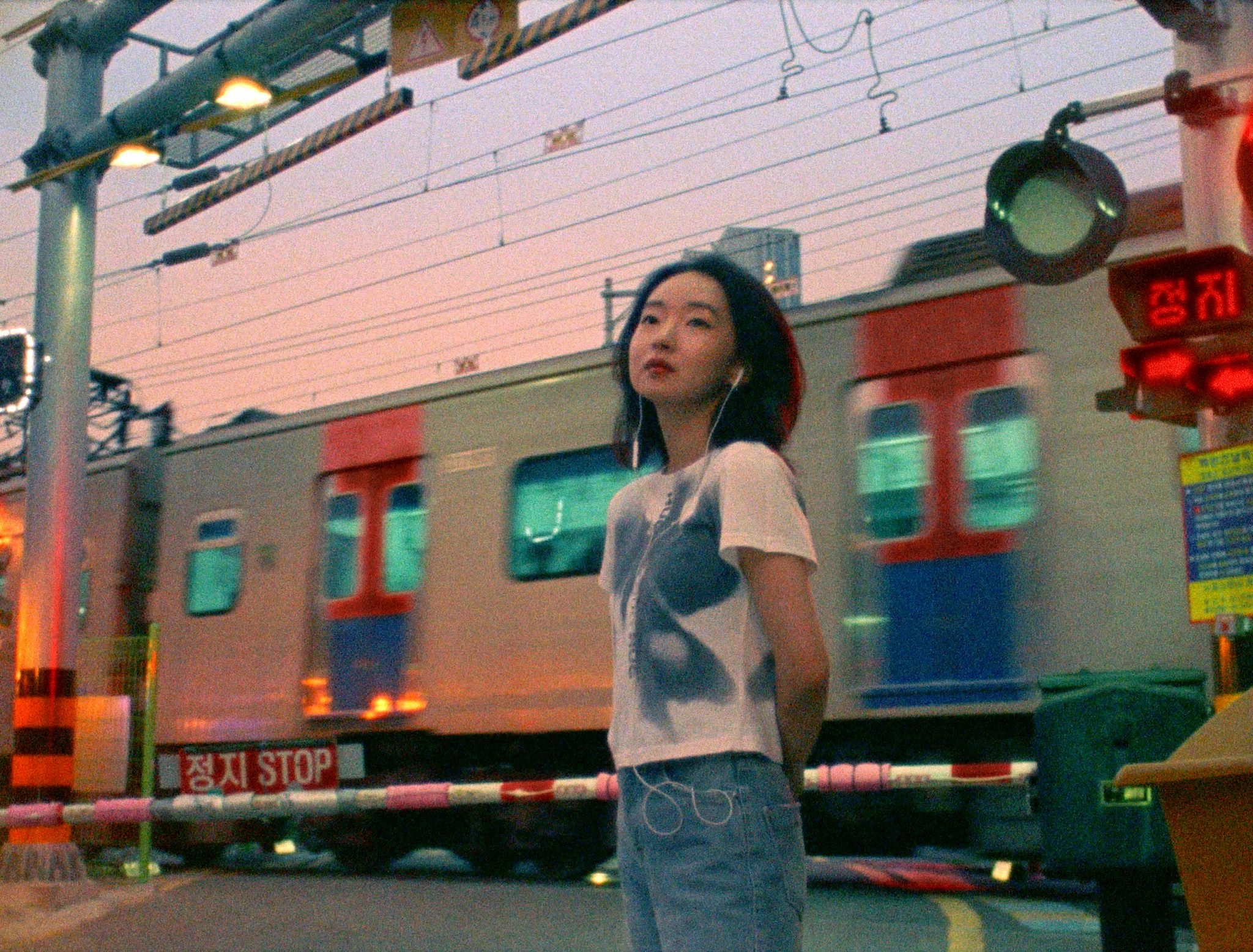
For the Art of Us collaboration with Yaeji, what sparked the idea of creating a moon jar-inspired platform? How did you draw from Korean visual and cultural references to accompany Yaeji’s reflections on how ancestry touches her artistry and how her music continues to grow and change?
The inspiration behind the moon platform is the Korean national treasure, the moon jar. I wanted a grand platform to show the greatness of Korean history and the influence these artists have had today. Our production designer, Sally Bae, suggested that the texture of the moon jar platform be inspired by Kim Whanki’s modern painting of the moon jar, giving the platform more depth and symbolic value.
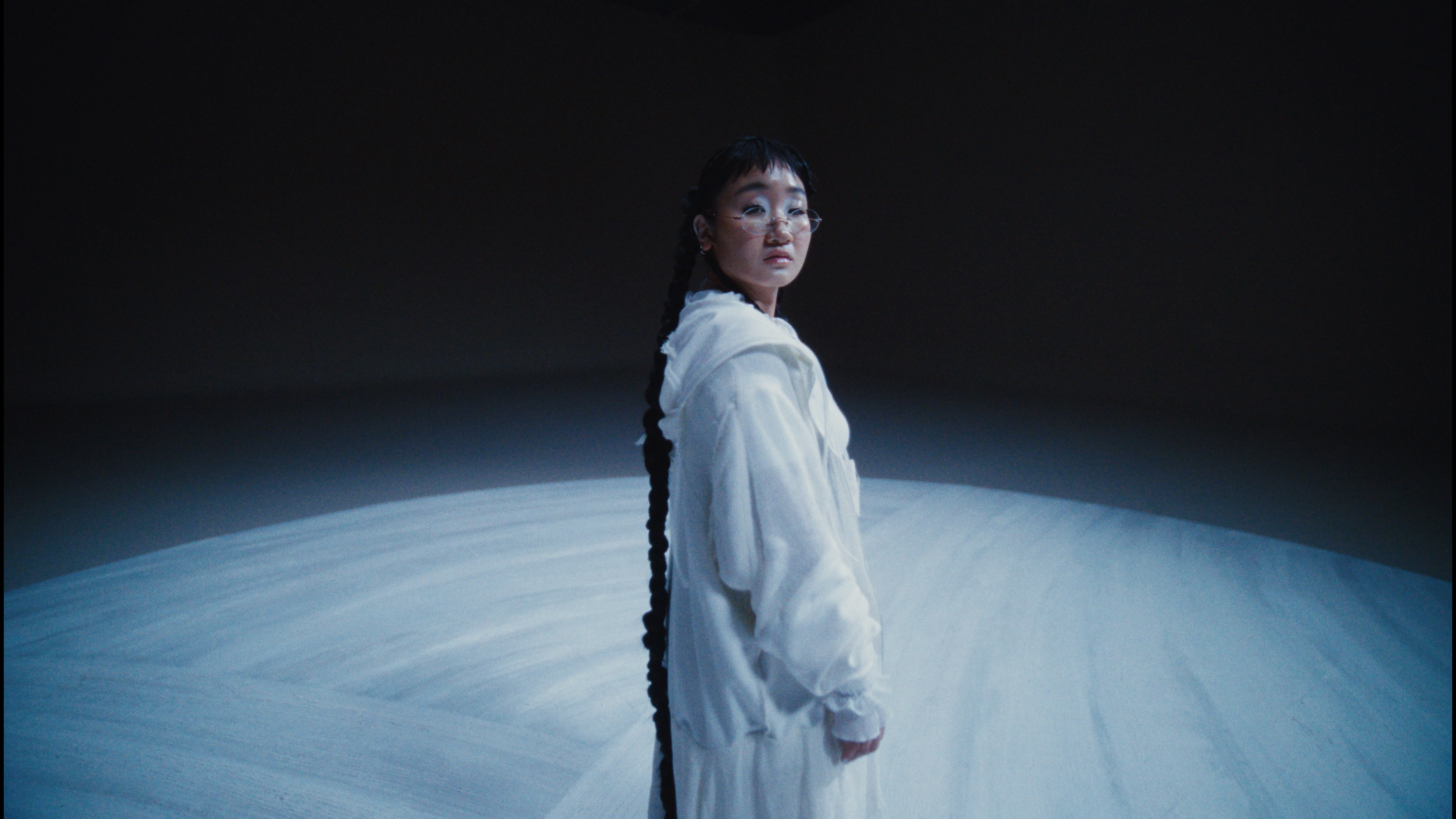
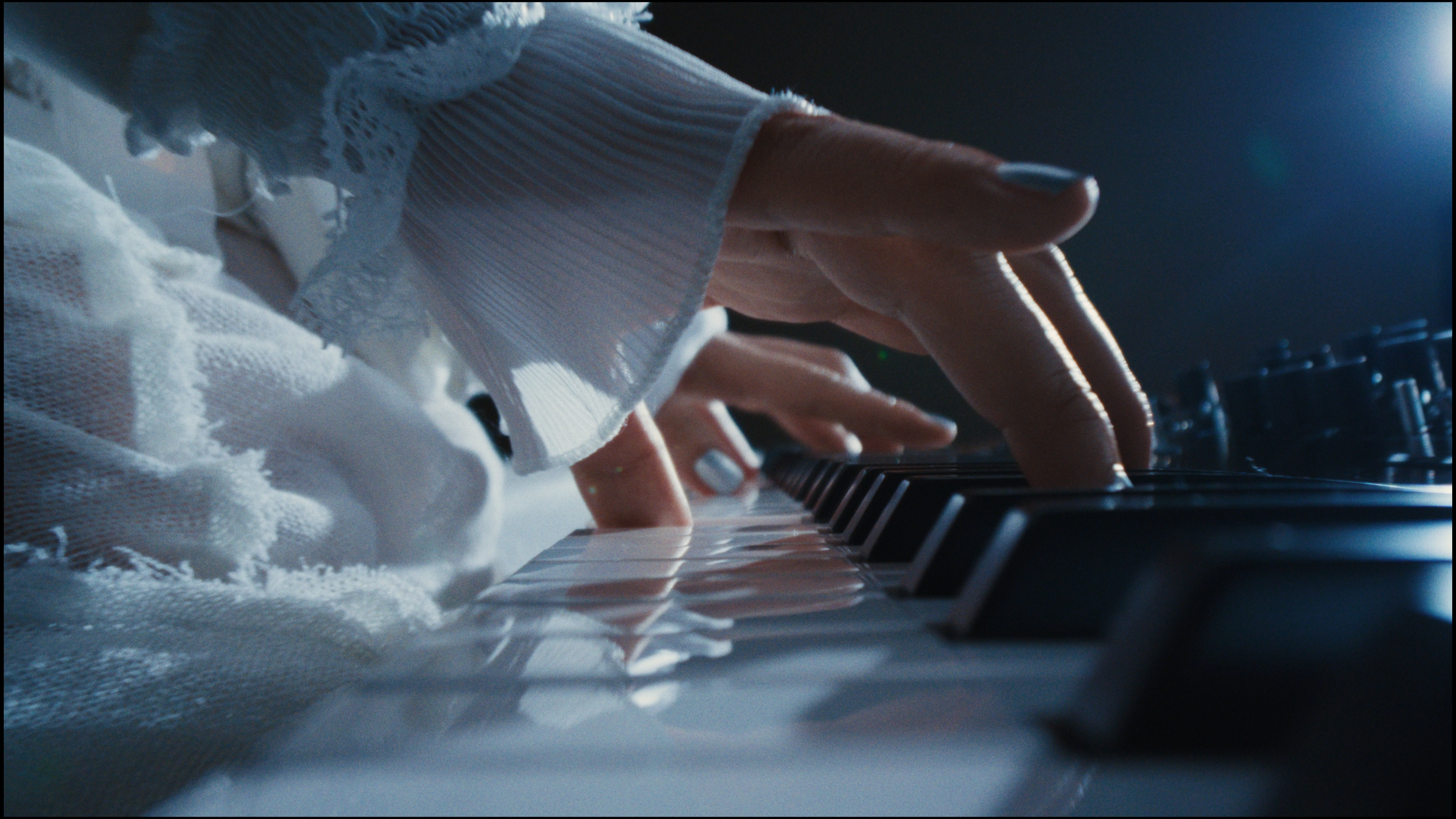
Each image you see in the Art of Us film is inspired by a piece of artwork in the Korean Treasures exhibition, and each person was paired with a piece.
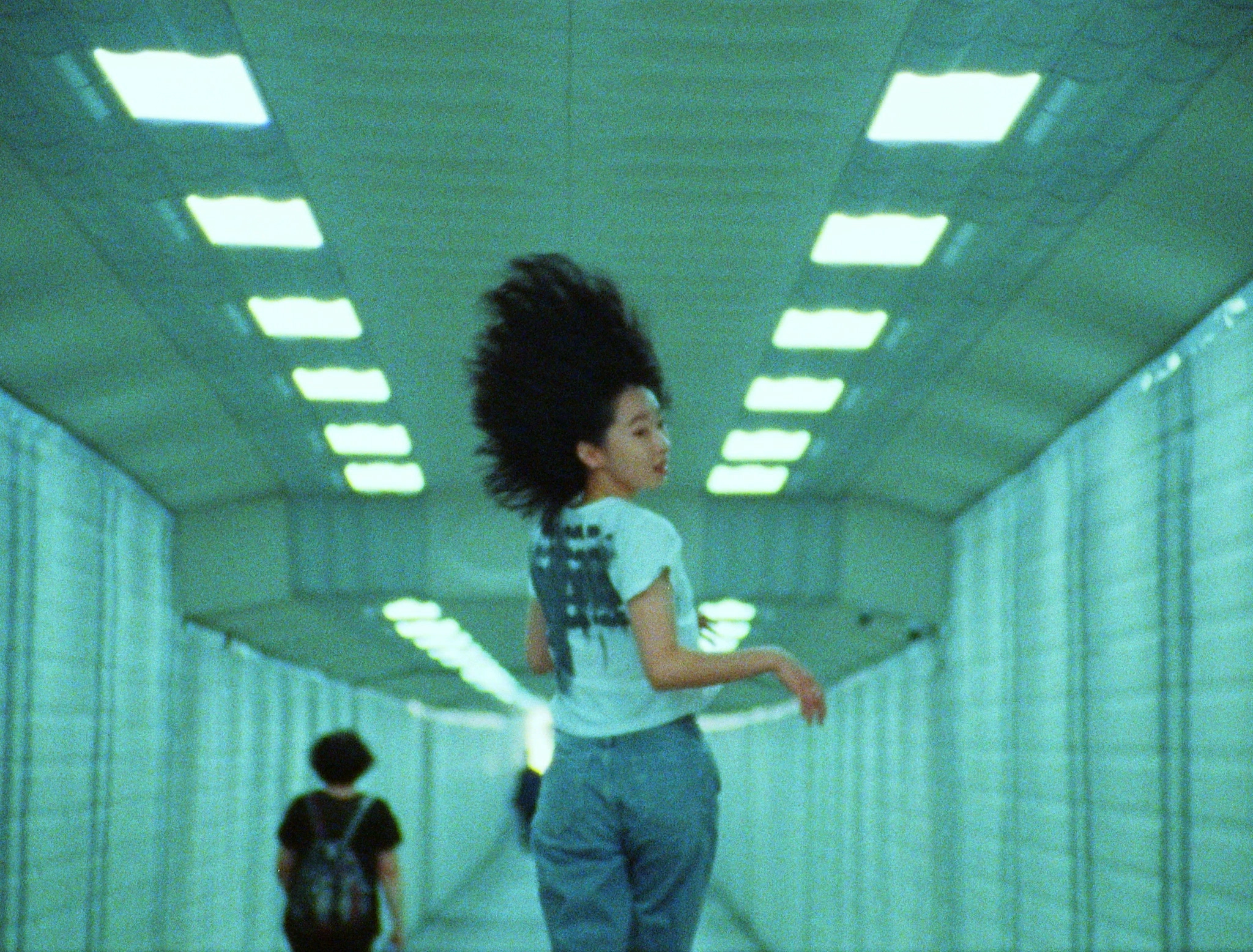
With the Art of Us exhibition film, how did you convey a live, spatial, and culturally rich experience on screen, with attention to the scale of the exhibition, the experience of moving through the space, and the feeling of immersion in the space?
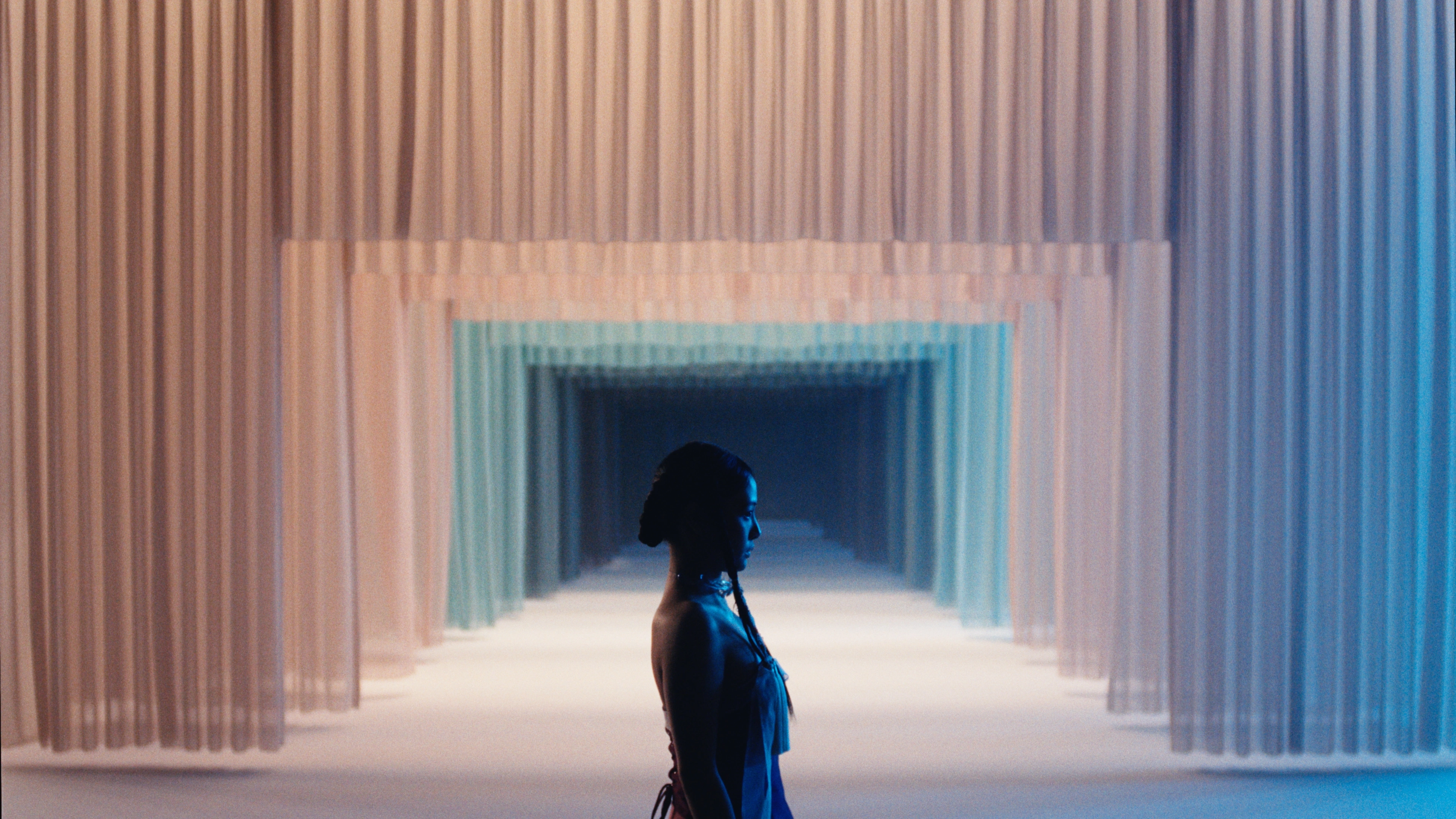
The tunnel was my way of linking the whole exhibition together. I was blown away by the scale of the exhibition, so I imagined the museum space as a large tunnel that was like a portal into the past and present. The colours were a gradient of the porcelains that were displayed in chronological order, from the Goryeo dynasty to the Joseon dynasty. Our main talent looked through the tunnel as if she were looking at all the grand pieces in the exhibition.
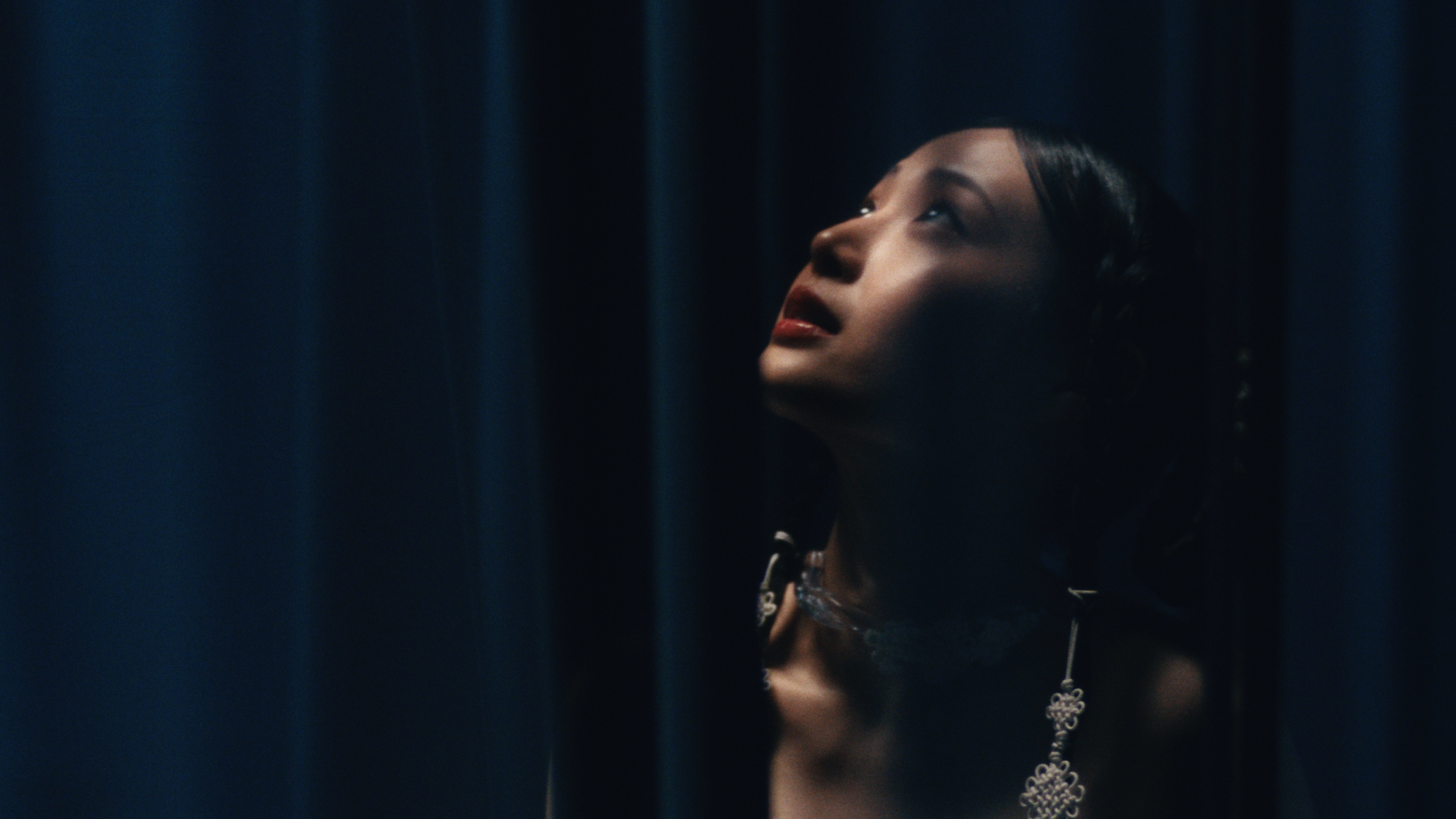
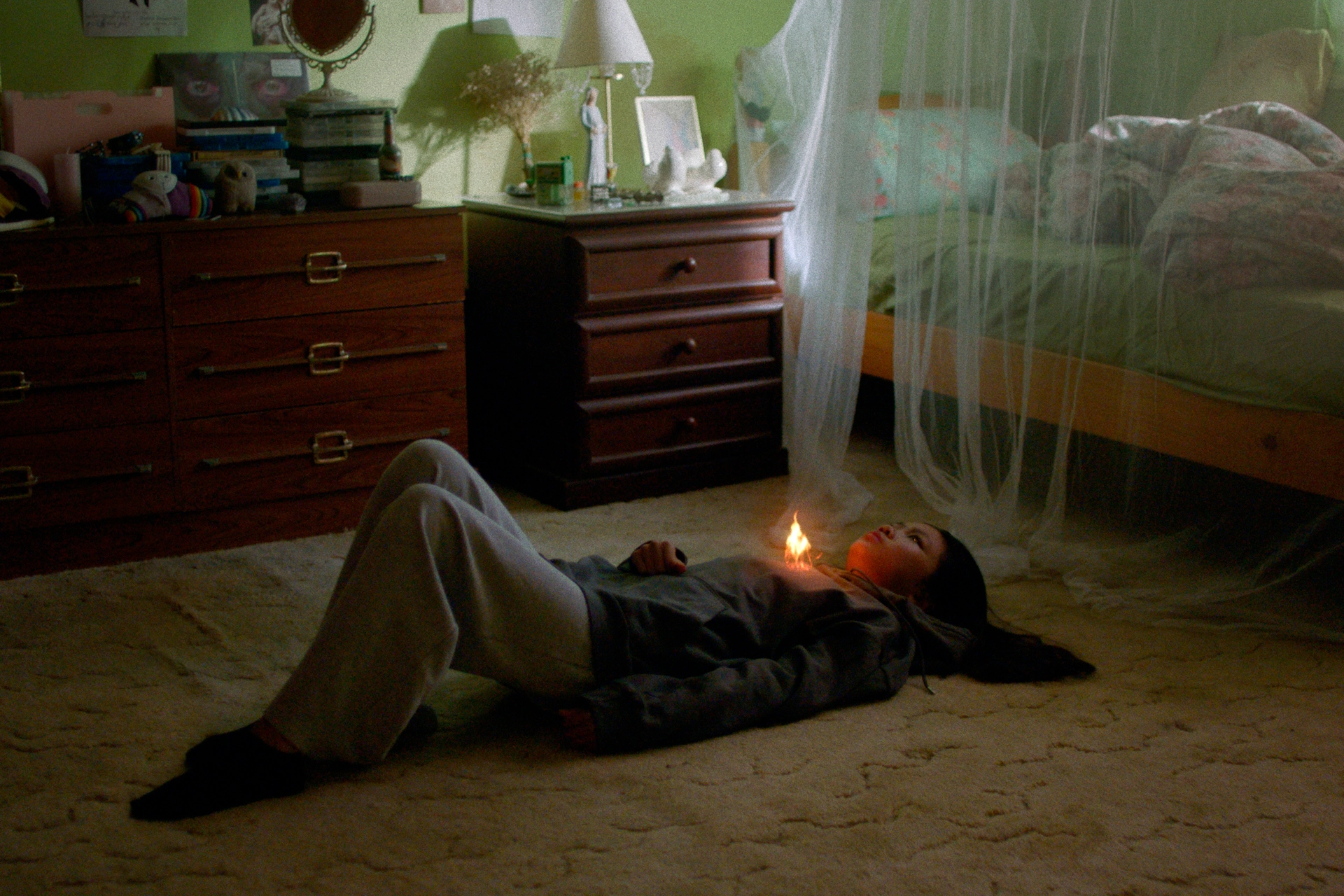
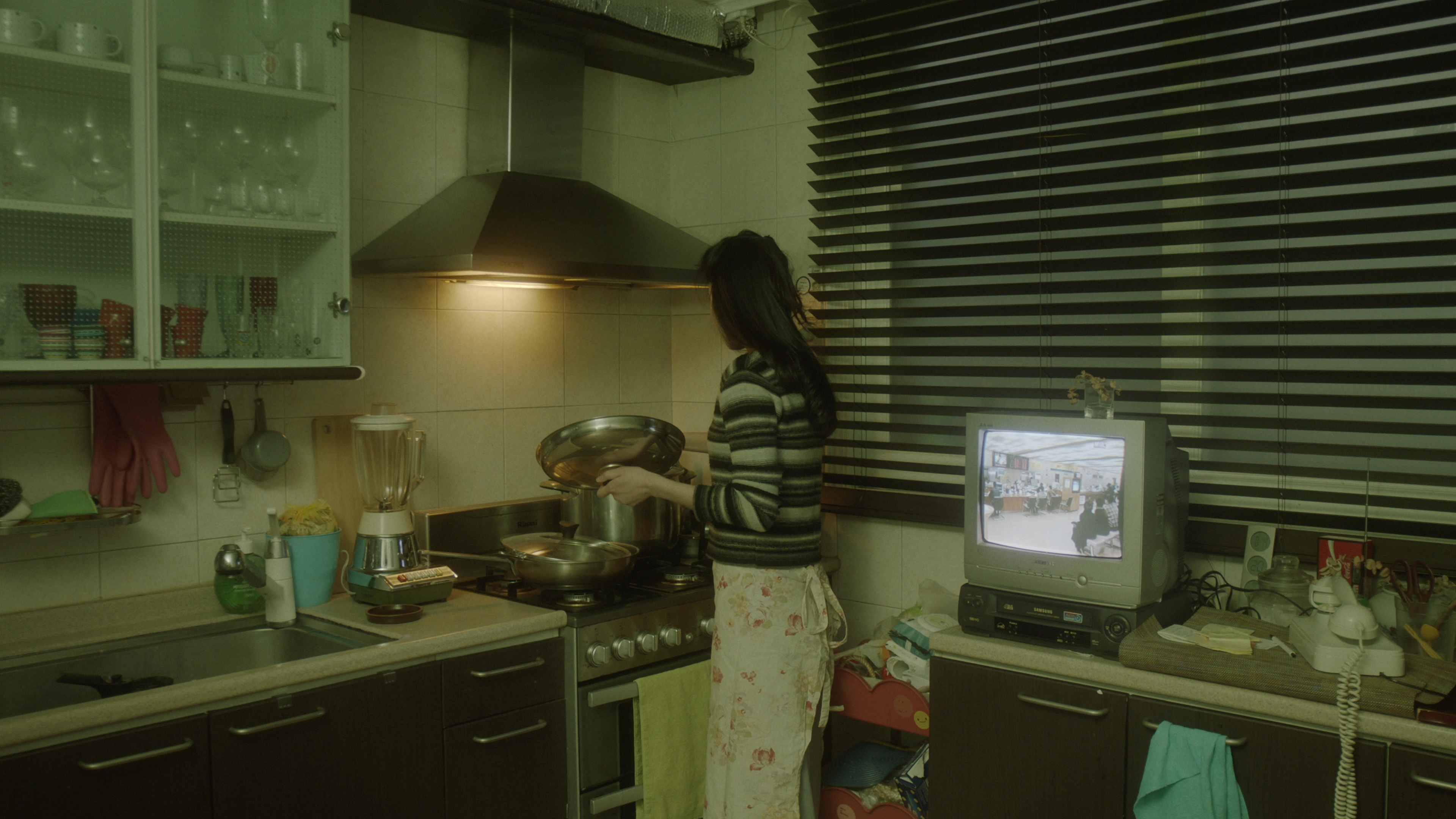
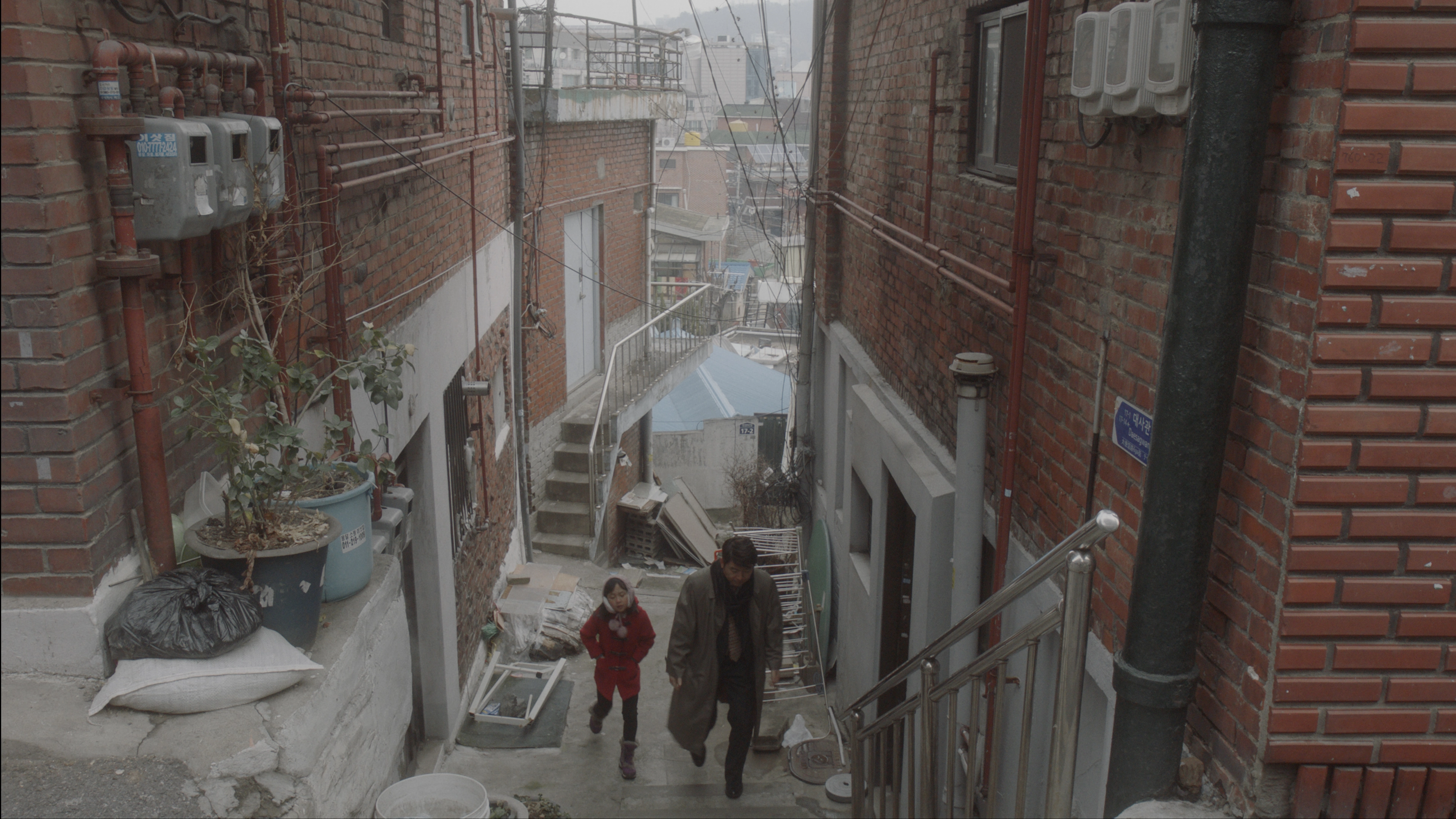
You have also directed some personal narrative projects. In your short film Chimera, you explore home, family, memory, and cultural ambiguity. Has that sense of in-betweenness become a source of strength, particularly in how you connect with different people, understand cultural nuance, and approach global or cross-cultural projects?
Yes. Something that I once thought was a weakness of mine, I’ve realised, has become a strength. I’m able to speak across a global context, understand cultural differences, and approach everything with curiosity and openness. The only way we grow as people and as artists is to continue learning, and I’ve come to treasure this part of myself.
Looking ahead, what are you interested in exploring next through your narrative directorial work?
I’ve recently completed a fundraiser for a documentary of mine. It’s my first personal project in six years, and it has been a journey trying to get it funded. I have a visceral need to get this story told.
I’m currently developing a short film and a feature film about my upbringing as well. More to come soon!